
The Real Story of Cinco de Mayo: More Than a Fiesta

Every year on May 5th, I see the world celebrate what they think is a massive Mexican party. But Cinco de Mayo is so much more than that. It’s the story of a monumental victory against all odds at the Battle of Puebla in 1862. Here in Mexico, it's a day of quiet respect, mostly celebrated with incredible pride in the state of Puebla. In the United States, however, it has blossomed into a huge celebration of Mexican heritage, driving enormous sales of food and drinks. This article is my way of bridging that gap. We'll walk through the real history, look at the surprising numbers behind the celebrations in both countries, and explore what the future holds. It’s for anyone who loves Mexican culture and wants to understand the true heart of this day, beyond the commercial hype.
What Cinco de Mayo Really Means and Why it Matters
Table of Contents
- The True Story: The Battle of Puebla
- Celebrations in Mexico: A Tale of Two Realities
- The American Transformation: From Activism to Avocado Sales
- The U.S. Economic Fiesta: A Data-Driven Overview
- The Mexican Perspective: A Focused Tourist Economy
- Opportunities for Growth and Deeper Engagement
- Challenges and a Call for Authenticity
- The Future Outlook
Cinco de Mayo, or the 'Fifth of May', is a date that many people around the world know, but few truly understand. For so many, especially in the United States, it’s a day for vibrant parades, the joyous sounds of mariachi, and sharing delicious Mexican food and drinks. But its soul isn't found in a party; it’s rooted in a moment of incredible heroism on a battlefield in Mexico: the Battle of Puebla. To really appreciate this day, you have to follow its journey from that dusty field to the bustling streets of American cities. It’s a story that every business, traveler, or person curious about our culture should know.
The True Story: The Battle of Puebla
Let’s go back to 1862. Mexico was in a tough spot. We were financially drained from years of conflict, like the Mexican-American War and our own Reform War. Our president, Benito Juárez, a man of indigenous Zapotec heritage and immense integrity, had to make a hard choice: temporarily stop paying our foreign debts. Britain and Spain negotiated and went home, but France, led by Napoleon III, saw an opportunity. He wanted to build an empire and used the debt as his excuse to invade. A French army, considered the world's best, landed in Veracruz and marched towards Mexico City. Their path led them straight to Puebla. It was there, on May 5, 1862, that a small, poorly armed Mexican army, led by a general named Ignacio Zaragoza, who was actually born in what is now Texas, stood against the mighty French forces. Against all logic, our soldiers, a mix of army regulars and brave local volunteers, won a victory that shocked the world. It didn’t end the war—the French would come back and eventually install Maximilian of Habsburg as emperor. But that victory in Puebla lit a fire in the heart of Mexico. It became a powerful symbol of our courage, our unity, and our refusal to bow to foreign powers. It was our 'David versus Goliath' moment, a story that still fills us with immense national pride.
Celebrations in Mexico: A Tale of Two Realities
Let me clear up the biggest misconception right away: Cinco de Mayo is not our Independence Day. Our Independence Day, which celebrates our freedom from Spain in 1810, is a huge, nationwide celebration on September 16th. For most of Mexico, May 5th is just another workday. Banks are open, shops are running. The big exception is the state of Puebla, where the battle actually happened. Having been there for it, I can tell you it's something special. In Puebla, Cinco de Mayo is a major local holiday. The city comes alive with a massive parade of soldiers and sailors, and even local kids and community groups march with incredible pride. The highlight is the reenactment of the Battle of Puebla, often on the very fields where it was fought. The air is filled with music, traditional dancing, and a festive energy that draws people from all over. It’s a living history lesson, a beautiful tribute to Zaragoza and his men. But once you leave Puebla, the day returns to a simple historical date you learn about in school, not a cause for a big fiesta. This is so different from what happens just north of our border.
The American Transformation: From Activism to Avocado Sales
The journey of Cinco de Mayo into a major U.S. holiday started with Mexican-American activists, not advertisers. Back in the 1860s, when news of the Puebla victory reached California, Mexican communities celebrated with joy. They saw it as a win for democracy against the European monarchies, some of which were friendly to the Confederacy during the American Civil War. For them, celebrating was a way to show pride in their Mexican roots and their support for the Union. For a long time, it was a community-focused event. The big change came during the Chicano Movement in the 1960s and 70s. Activists held up Cinco de Mayo as a symbol of Mexican strength and self-determination, using it to build cultural pride among Mexican-Americans.
Then, in the 1980s, corporations, especially beer companies, saw an opportunity. They launched massive ad campaigns that tied Cinco de Mayo to partying. This marketing blitz is what turned the day into the huge cultural event it is today—a celebration that’s very different from its origins, but incredibly popular. You see it everywhere. People eagerly search for a great cinco de mayo restaurant near me to find a festive meal. The desire for authentic cinco de mayo food goes through the roof. Restaurants roll out special menus, and home cooks plan their parties, starting with classic cinco de mayo appetizers like fresh guacamole and nachos. And you can't forget the sweets; bakeries get busy making cinco de mayo desserts like churros and creamy tres leches cake. The American Cinco de Mayo is a fascinating mix of real cultural pride, historical activism, and powerful marketing. It shows just how much our culture has influenced the United States, and how a historical event can take on a whole new life, creating huge economic waves in the process.
For anyone in the food and hospitality business, this has been a gift. A single day has become the anchor for a week-long sales boom, often rivaling holidays like St. Patrick's Day. The hunt for a memorable experience at a local cinco de mayo restaurant becomes a quest for millions, creating a lively scene where places compete with festive decor, live music, and drink specials. The holiday has become an economic driver, fueled by a collective wish to join a fiesta, even if the reason for it is a bit fuzzy. But this also opens a door. A good restaurant owner can share the story of Puebla. A food writer can shine a light on real Pueblan cooking, going beyond the usual cinco de mayo food to explore authentic dishes. From the simple cinco de mayo appetizers that have become American favorites to the complex cinco de mayo desserts that tell a story of their own, the holiday is a platform for both celebration and real education—something international businesses should pay attention to.
The Numbers Behind Cinco de Mayo: A Tale of Two Economies
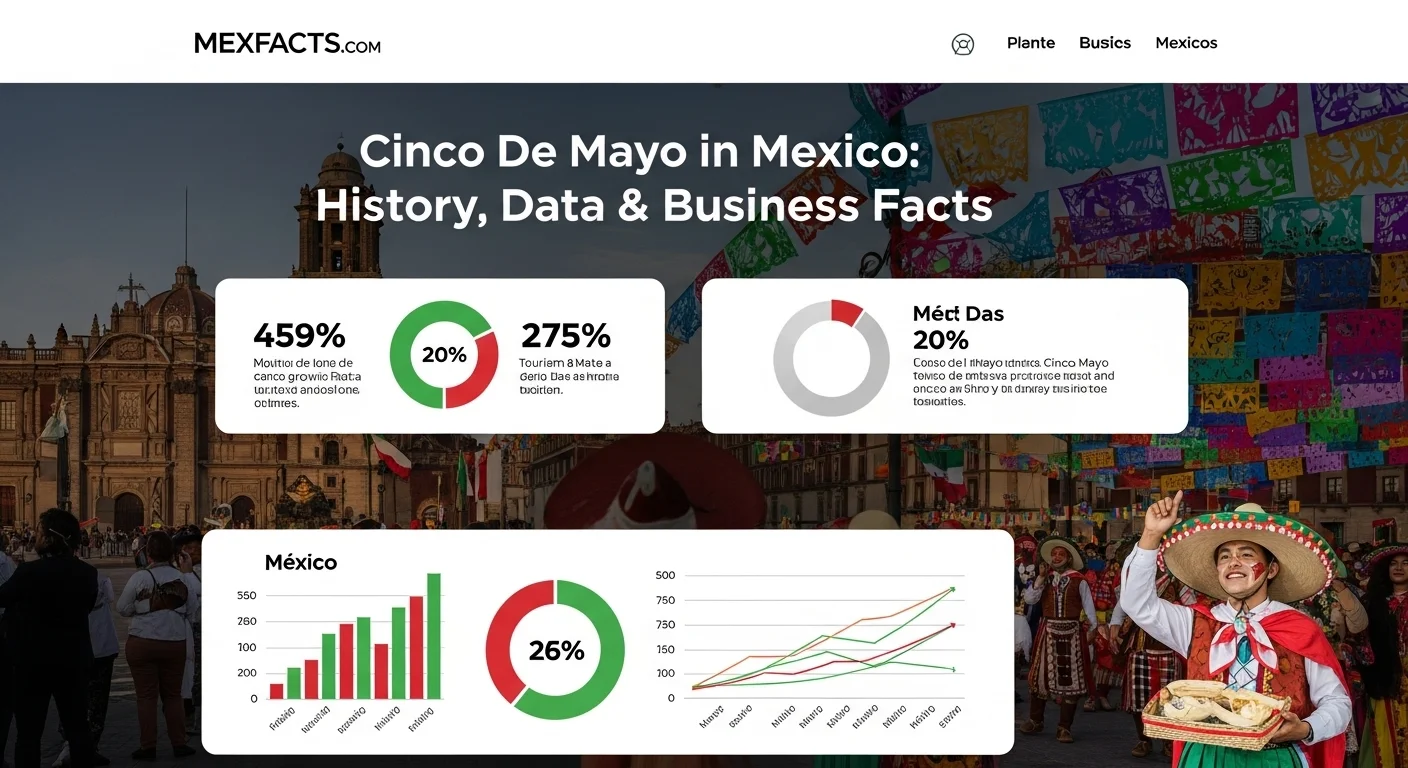
When we talk about Cinco de Mayo, we're really telling a story of two completely different economic worlds. In the United States, it’s a commercial giant, a multi-billion-dollar event that shakes up the food, drink, and restaurant industries. Here in Mexico, its economic impact is much smaller and focused, mostly bringing tourists to the proud city of Puebla. Looking at the data side-by-side reveals a fascinating story and key insights for anyone watching the market.
The U.S. Economic Fiesta: A Data-Driven Overview
It's hard to overstate the economic power of Cinco de Mayo in the United States. It’s a prime example of how a grassroots commemoration can be transformed into a top-tier spending holiday. It's estimated that between 100 and 150 million people in the U.S. celebrate in some way. That's far more than the 37 million Americans of Mexican descent, which tells you just how deeply it has crossed into the mainstream culture. This massive participation leads to incredible sales figures.
The Beverage Boom: Tequila and Beer
When Americans celebrate Cinco de Mayo, they do it with a drink in hand. It’s one of the biggest days of the year for bars and restaurants.
- Beer: Americans spend hundreds of millions on beer for the occasion, with some reports claiming it's as high as $745 million. In some years, it sells more beer than St. Patrick's Day or the Super Bowl. You see a huge spike in sales of our beloved Mexican beers.
- Tequila and Mezcal: Tequila is the spirit of the day. The U.S. is already the biggest tequila market in the world, and on Cinco de Mayo, sales are said to double. In 2022, sales of spirits made from agave, like tequila and mezcal, hit $6 billion in the U.S. On the day itself, an incredible 126 million liters of tequila are enjoyed. The margarita is king, making up 42% of all cocktail sales, a huge leap from its usual numbers.
For anyone in the beverage business, from the jimadores harvesting agave in Jalisco to a bar owner planning promotions for their cinco de mayo restaurant, these numbers are a clear sign of the day's commercial strength.
The Guacamole Gold Rush: Avocado Consumption
You can't talk about Cinco de Mayo without talking about avocados. As someone from Mexico, it's amazing to see. The demand for guacamole, the ultimate cinco de mayo appetizer, leads to an astonishing surge in avocado sales.
- Volume: It's truly mind-boggling. Americans eat over 81 million pounds of avocados just for Cinco de Mayo. Some reports show that as much as 151 million pounds are sold in the two weeks before the holiday.
- Sales Growth: This isn't a fluke; it's a growing trend. Avocado consumption in the weeks leading up to May 5th has grown by 27% over a recent five-year period. In 2024, sales hit a four-year high, reaching almost 60 million units and $68.5 million in value.
- Economic Impact: We see this in the value of U.S. avocado imports, most of which come from Mexico, reaching over $3.26 billion in 2022. It turns out that people buying avocados for Cinco de Mayo are great customers, spending almost twice as much on their total grocery bill.
This data is pure gold for our farmers, for distributors, and for grocery stores. The holiday is like a second Super Bowl for the avocado industry, cementing it as a star of American cinco de mayo food culture.
The Restaurant Revenue Surge
For restaurants, Cinco de Mayo is a golden opportunity. The desire to celebrate brings a wave of customers and revenue, especially for places serving Mexican food.
- Increased Sales: The data doesn't lie. One report showed a 19% sales increase across the U.S. on Cinco de Mayo, with a state like Texas seeing a 30% jump.
- Strategic Promotions: The smartest restaurants plan for this. They create special menus filled with popular cinco de mayo food, from festive cinco de mayo appetizers to unforgettable cinco de mayo desserts. A well-marketed cinco de mayo restaurant that connects with the culture authentically will see the best results.
The Mexican Perspective: A Focused Tourist Economy
Here in Mexico, the story is completely different. The economic impact is very local, and the main beneficiary is Puebla, which uses its history to draw in visitors.
- Tourism in Puebla: The city hosts a month-long festival that leads up to the grand parade and battle reenactment on May 5th. It's a huge draw, attracting over a million visitors in a good year, including locals, other Mexicans, and a growing number of international tourists. Puebla has proudly re-established itself as our second most-visited heritage city.
- Limited National Impact: Outside of Puebla, the day doesn't create economic ripples. It’s not a day for national sales or promotions. Our big economic holiday is Independence Day on September 16th, which brings the whole country to a standstill for celebration and spending.
The contrast is striking: what is a multi-billion dollar commercial bonanza in the U.S. is a deeply significant cultural and tourism event in one region of Mexico. Understanding this difference is vital. A company launching a Cinco de Mayo-themed product would find a huge market in the U.S. but almost none in Mexico City. A tour operator, however, would find an authentic, marketable, and meaningful experience in Puebla, ready to show visitors the real story of the day.
The Future of Cinco de Mayo: Opportunities and Authenticity
The future of Cinco de Mayo is full of potential. As a cultural symbol and an economic force, it’s constantly evolving. For anyone invested in Mexican culture—whether you're in business, tourism, or simply a cultural advocate—understanding where this holiday is headed reveals incredible opportunities and a few important challenges. The path forward is a delicate dance between historical truth, cultural respect, and commercial appeal.
Opportunities for Growth and Deeper Engagement
The global fame of Cinco de Mayo, mostly thanks to its popularity in the U.S., gives us a unique stage to share our culture, our products, and our beautiful country with the world.
Tourism: Looking Beyond the Parade in Puebla
Puebla will always be the heart of the authentic Cinco de Mayo, but the holiday's fame is an asset we can use more widely. The opportunity is to broaden the story and the destination.
- Culinary Pilgrimages: Puebla is a food lover's dream, the birthplace of our legendary mole poblano. Imagine 'Cinco de Mayo Culinary Tours' that go way beyond a simple search for cinco de mayo food. We could offer cooking classes teaching people to make real Pueblan dishes like Mole Poblano or Chiles en Nogada. This would attract travelers who want a deeper, more delicious experience than the Tex-Mex often found in the U.S.
- Historical Journeys: I've always dreamed of a 'Route of 1862,' a historical trail that follows the footsteps of the French and Mexican armies from the coast of Veracruz to the fields of Puebla. This could include museum exhibits and battlefield tours that bring the story to life for history buffs.
- Sharing the Spirit: Other regions in Mexico can tap into the 'spirit' of Cinco de Mayo—that feeling of resilience and artistry—to showcase their own unique cultures during early May, when the world's attention is already on us.
Export and Product Promotion: A Taste of Real Mexico
The enormous demand for Mexican products in the U.S. on Cinco de Mayo is a perfect launchpad for growing our market presence.
- Premium Spirits: The tequila market is getting more sophisticated. People are looking for high-quality, artisanal tequilas and mezcals. This is a huge opportunity for our distilleries to educate consumers, teaching them to savor these spirits and understand their origins.
- Authentic Food Products: The desire for a festive meal at home opens the door for exporters of real Mexican ingredients—specialty chiles, heirloom corn for tortillas, rich mole pastes. We can market these as the key to creating an authentic cinco de mayo food experience.
- Elevating the Restaurant Experience: For every person searching for a cinco de mayo restaurant near me, there is an opportunity. Restaurant owners can stand out by going beyond clichés. Imagine offering a special Pueblan menu with authentic cinco de mayo appetizers like Molotes and rich cinco de mayo desserts. These places can become true cultural ambassadors.
Challenges and a Call for Authenticity
With great opportunity comes great responsibility. There are challenges we must navigate with care and respect.
The Fight Against Misinformation
The biggest challenge is still the persistent myth that Cinco de Mayo is Mexican Independence Day. This mistake dilutes the real meaning of the day. Our tourism boards, cultural groups, and businesses have to keep educating people. Simple things like 'Did You Know?' facts on social media or on a menu can make a big difference.
Cultural Appreciation, Not Appropriation
As the holiday gets more commercial, there's a real danger of our culture being turned into a cheap costume. Businesses need to be careful to celebrate our culture respectfully. That means no cartoonish sombreros and fake mustaches. Instead, partner with Mexican artists, play authentic music, and tell the real story with respect for the history and the people it represents. Be a cultural ambassador, not a caricaturist.
Standing Out in a Crowded Market
In the U.S., the Cinco de Mayo market is incredibly crowded. A restaurant or a beer brand has to be unique to get noticed. The best way forward is through authenticity. A cinco de mayo restaurant that becomes famous for the best Mole Poblano in town will build a more loyal following than one just offering cheap margaritas. A brand that shares its connection to a specific region in Mexico will connect more deeply with people who want something real.
The Future Outlook
I am very optimistic about the future of Cinco de Mayo, especially as the Latino community's cultural and economic power in the United States continues to grow. The U.S. Latino GDP is already like the world's fifth-largest economy, and the population is young and expanding. This means the celebration will only get bigger and more important. For us in Mexico, the opportunity is to guide this energy into real benefits for our economy and our cultural heritage. By promoting authentic experiences, educating the world, and exporting our best products, we can help the world see Cinco de Mayo not just as a party, but as a profound celebration of our history and vibrant culture. This commitment to quality and truth is the best path forward, supported by the solid work of institutions like Mexico's National Institute of Statistics and Geography (INEGI), which provides the data for smart decisions. You can see their important work here: INEGI Official Site.
Expert Reviews
Elena Garcia, Restaurant Owner ⭐⭐⭐⭐⭐
As a Mexican-American who owns a restaurant, this article truly speaks to me. It beautifully explains the history I try to share with my customers every year. The business insights on authenticity are spot on—focusing on our real Pueblan recipes has made our Cinco de Mayo special and very successful. Thank you for getting it right!
Mark Thompson, Traveler & History Buff ⭐⭐⭐⭐⭐
I admit I was one of those people who thought Cinco de Mayo was just a big party. After reading this, I have a newfound respect for Mexican history and the Battle of Puebla. I'm now planning a trip to Puebla to see the celebrations for myself. This article changed my whole perspective. Fantastic read!
Sofia Reyes, Cultural Anthropologist ⭐⭐⭐⭐⭐
This is a brilliant and much-needed piece. It navigates the complex journey of Cinco de Mayo from a solemn commemoration in Mexico to a commercial giant in the U.S. with nuance and expertise. The call for authenticity is crucial. I will be sharing this with my students as a perfect case study in cultural transformation.