
Acapulco Vacation Guide: Zones, Rebuilding, and Travel Tips

An Acapulco vacation offers travelers a distinctive encounter with Mexico's original Pacific beach destination. Set along the deep crescent of Santa Lucía Bay in the state of Guerrero, Acapulco combines decades of glamorous mid-century heritage with vibrant coastal culture. Following the extensive damage caused by Hurricane Otis in October 2023, the city is undergoing substantial reconstruction, with thousands of hotel rooms reopened across its three signature zones: Acapulco Tradicional, Acapulco Dorado, and Acapulco Diamante. This comprehensive guide covers current travel realities, neighborhood distinctions, safety advice, top sights, and practical tips for planning an enjoyable getaway.
Table of Contents
- What to Expect on an Acapulco Vacation
- Where to Stay: Acapulco's Three Main Zones
- From Manila Galleons to Hollywood's Golden Age
- Post-Hurricane Otis Rebuilding and Current Realities
- Practical Travel Planning: Getting There, Seasons, and Safety
- Top Attractions and Cultural Highlights
- Vacation Packages and Regional Dining
- Frequently Asked Questions
What to Expect on an Acapulco Vacation
An Acapulco vacation centers on one of Mexico's most dramatic natural harbors, framed by the Sierra Madre del Sur mountains descending directly into the Pacific Ocean. Unlike purpose-built master-planned resort corridors like Cancún or Los Cabos, Acapulco is a living, bustling port city with more than half a million residents. A trip here delivers warm ocean waters, dramatic sunsets, authentic regional cuisine, and a rich layer of 20th-century history. Travelers can spend their mornings watching world-renowned cliff divers, afternoons cruising the bay or lounging on golden sand, and evenings dining along the illuminated coastline.
Where to Stay: Acapulco's Three Main Zones
Acapulco stretches across roughly 20 miles of Pacific coastline, divided into three geographically and culturally distinct tourist districts. Choosing the right zone is essential for matching your travel style:
- 1. Acapulco Tradicional (Historic Acapulco)
- Located at the western end of the bay around the historic downtown (Zócalo) and the peninsula, this is the oldest section of the city. It is home to iconic landmarks such as the Fort of San Diego, Caleta and Caletilla beaches, the historic Hotel Los Flamingos, and the legendary cliff diving cove at La Quebrada. Tradicional offers a nostalgic Mexican atmosphere, affordable family-run hotels, and bustling seafood markets.
- 2. Acapulco Dorado (The Golden Zone)
- Developed during the tourism boom of the 1950s through the 1970s, Acapulco Dorado curves along Santa Lucía Bay along the famous Costera Miguel Alemán. This high-density area features classic high-rise beachfront hotels, lively public beaches like Condesa and Icacos, water sports, shopping plazas, and traditional nightlife. It remains the most energetic and accessible area for travelers seeking central bay views and walkability.
- 3. Acapulco Diamante (The Modern Resort Corridor)
- Stretching southeast toward General Juan N. Álvarez International Airport, Diamante represents the modern era of Acapulco. Characterized by wide open stretches of oceanfront along Playa Revolcadero and Puerto Marqués, Diamante houses expansive luxury resorts, championship golf courses, high-end condominiums, and modern event arenas like the Arena GNP Seguros. It offers a self-contained, gated resort experience away from downtown traffic.
From Manila Galleons to Hollywood's Golden Age
Acapulco's identity extends far beyond resort leisure. For more than 250 years during Spanish colonial rule (1565–1815), Acapulco served as the exclusive American terminal for the Manila Galleon trade (Nao de China). Ships loaded with Mexican silver set sail across the Pacific to the Philippines, returning laden with silk, porcelain, spices, and ivory. The star-shaped Fort of San Diego, originally constructed in 1616 and rebuilt in 1783 following an earthquake, was erected to safeguard this precious cargo from Dutch and English privateers.
In the mid-20th century, the city transitioned from a trading post to a world-famous celebrity hideaway. Spearheaded by federal infrastructure investments under President Miguel Alemán, including the opening of the scenic coastal boulevard that bears his name, Acapulco became a haven for Hollywood icons. John F. Kennedy and Jacqueline Bouvier honeymooned here in 1953, Elizabeth Taylor and Mike Todd married in the bay, and luminaries like Frank Sinatra, Judy Garland, and Elvis Presley cemented the city's reputation as the “Pearl of the Pacific.” This enduring heritage infuses modern Acapulco with a distinctive vintage character.
Post-Hurricane Otis Rebuilding and Current Realities
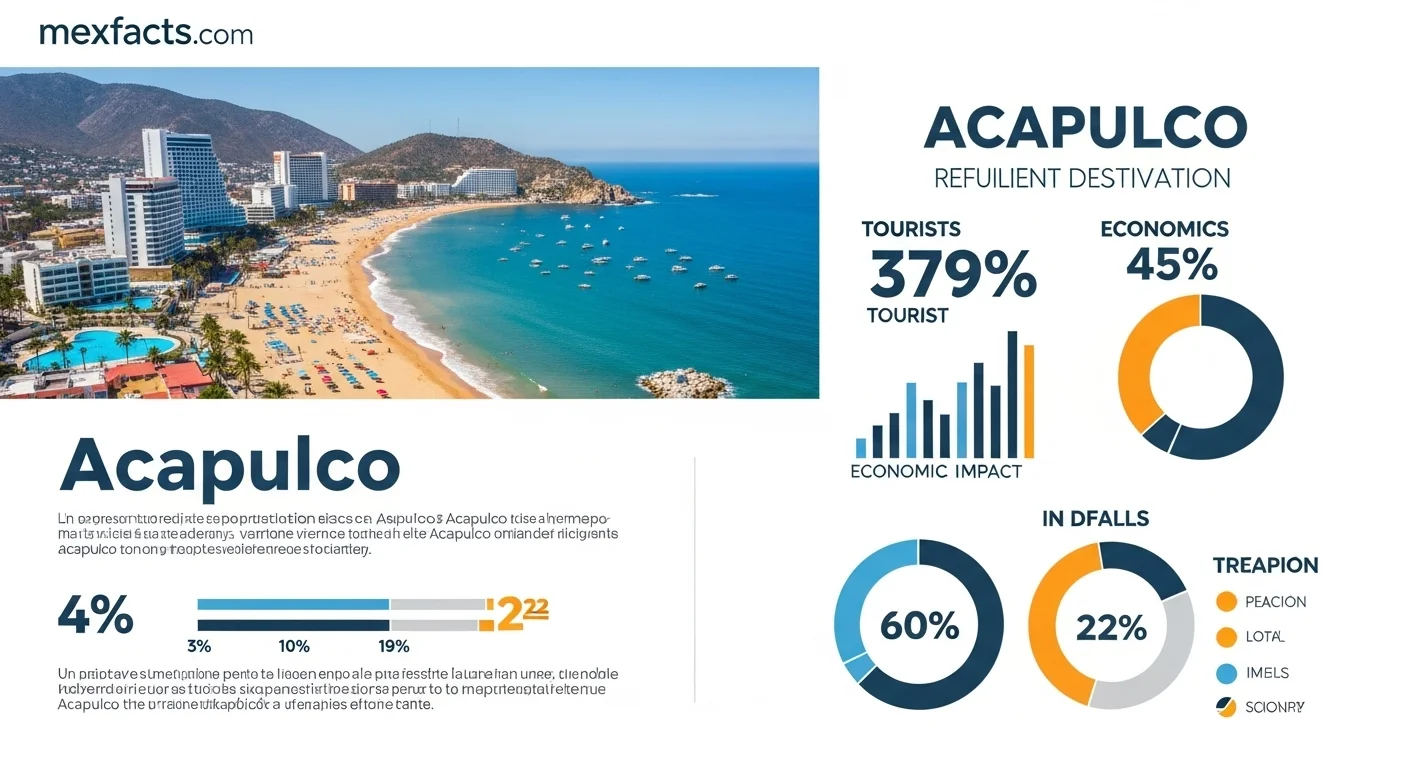
Understanding the current state of Acapulco requires an objective look at its recovery following Hurricane Otis, which made landfall in October 2023 as a Category 5 storm. Otis was the strongest storm on record to strike Mexico's Pacific coast, causing widespread structural damage to more than 80% of hotel properties, residential structures, and public infrastructure. A coordinated reconstruction campaign involving federal authorities, local municipalities, and private resort operators has been underway since late 2023.
Reconstruction Progress and Hotel Inventory
Before the storm, Acapulco had an estimated 21,000 hotel rooms. Phased reopening efforts allowed approximately 14,000 hotel rooms to resume operations within the first year of recovery, with priority given to restoring major thoroughfares, beachfront promenades, and utility services. Flagship properties such as Princess Mundo Imperial, Pierre Mundo Imperial, and numerous hotels along the Costera have progressively welcomed guests.
Public reporting often highlights surges in demand, such as hotel occupancy rates exceeding 90% during peak holiday periods like Semana Santa (Holy Week). It is important to note that these high occupancy percentages reflect strong domestic travel demand from central Mexico measured against the reduced pool of reopened, operational rooms, rather than the city's pre-storm total capacity. While main hotel towers and prime beaches in Diamante and Dorado are active, ongoing repairs remain visible in various residential neighborhoods and secondary commercial corridors. Travelers should confirm individual property amenities, pool operations, and beach access directly with hotels before arrival.
Practical Travel Planning: Getting There, Seasons, and Safety
A successful trip to Acapulco requires attention to transit routes, seasonal weather patterns, and sensible safety precautions:
- Getting There by Air: Acapulco is served by General Juan N. Álvarez International Airport (ACA), located in the Diamante zone roughly 30 to 45 minutes south of the traditional bay. The airport handles direct domestic flights from Mexico City, Guadalajara, and Tijuana, as well as seasonal charter flights from Canada and the United States.
- Getting There by Road: For travelers based in central Mexico, the Autopista del Sol (Federal Highway 95D) connects Mexico City to Acapulco. The drive spans approximately 240 miles (380 km) and typically takes 4.5 to 5.5 hours. Driving during daytime hours is strongly advised, using modern toll booths and avoiding secondary rural routes. First-class motorcoaches run frequently from Mexico City's Terminal del Sur (Taxqueña).
- When to Visit: Acapulco features a tropical wet-and-dry climate. The dry season runs from November through April, delivering sunny skies, low rainfall, and comfortable coastal breezes with daytime temperatures averaging 88°F (31°C). The rainy season spans June through October, marked by higher humidity, afternoon showers, and increased tropical weather activity in the eastern Pacific.
- Safety Precautions: While tourist corridors like the Costera Miguel Alemán and Acapulco Diamante benefit from dedicated tourist police patrols and security infrastructure, safety conditions vary across Guerrero state. Visitors should adhere to established travel advisories: stay within recognized tourist districts, avoid walking unlit streets or isolated beaches after dark, use authorized radio taxis or hotel-arranged transport instead of hailing unmarked street cabs, and keep valuables secure.
Top Attractions and Cultural Highlights
Beyond lounging at the resort, an Acapulco vacation offers several signature cultural and recreational experiences:
- La Quebrada Cliff Divers: Since 1934, the clavadistas of La Quebrada have performed high-stakes dives from natural cliffs reaching up to 115 feet (35 meters) into a narrow, crashing sea gorge. The performance requires precise timing with incoming ocean swells. Evening shows feature divers leaping with handheld torches, best viewed from the public terraces or the La Perla restaurant at Hotel Mirador.
- Fort of San Diego (Fuerte de San Diego): Overlooking the harbor, this historic star-shaped colonial fortress houses the Acapulco Historical Museum. Its 15 exhibition halls document indigenous cultures, colonial trade routes, the Manila Galleons, and pirate defense history.
- Isla La Roqueta: A protected nature reserve located just offshore from Caleta Beach, accessible by short water-taxi or glass-bottom boat rides. The island offers calm snorkeling bays, hiking trails leading to a lighthouse, and peaceful beachside restaurants.
- Scenic Bay Cruises: Sunset boat tours departing from the boardwalk provide expansive panoramic views of the bay, seaside cliffs, and the hillside villas once owned by mid-century international celebrities.
Vacation Packages and Regional Dining
Many visitors choose Acapulco all-inclusive vacations to simplify budgeting for lodging, dining, and resort entertainment under a single price. Modern all-inclusive resorts, concentrated mainly in Acapulco Diamante and along Playa Icacos in Dorado, cater well to families and couples with on-site pools, kids' clubs, and organized beach activities.
However, travelers who venture outside all-inclusive compounds are rewarded with exceptional coastal Guerrero gastronomy. Distinctive dishes include:
- Pescado a la Talla: Fresh whole red snapper butterflied, marinated in a rich blend of guajillo chiles and local spices, and grilled over open embers with mayonnaise. Barra Vieja, southeast of Diamante, is renowned as the birthplace of this culinary staple.
- Pozole Guerrerense: Traditional corn hominy stew served in green (verde, prepared with pumpkin seeds and green tomatoes) or white (blanco) broths, traditionally enjoyed on “Jueves Pozolero” (Pozole Thursdays) accompanied by mezcal, avocado, chicharrón, and fresh radishes.
- Ceviche Acapulqueño: Fresh local fish cured in lime juice and prepared with chopped tomatoes, onions, cilantro, and a dash of mild spiced soda or olive oil.
Frequently Asked Questions
- Is Acapulco open for international tourists right now?
- Yes. Major resort zones in Acapulco Diamante and Acapulco Dorado, along with key cultural attractions like La Quebrada and Fort of San Diego, are open and welcoming travelers. Over 14,000 hotel rooms are in operation, though travelers should confirm specific amenities with their chosen property before arrival.
- Which area of Acapulco is best for first-time visitors?
- Acapulco Diamante is best for travelers seeking luxury, quiet beachfronts, and self-contained modern resorts. Acapulco Dorado is ideal for those who prefer walkable bayfront hotels, direct beach access, and lively dining. Acapulco Tradicional appeals to history enthusiasts and budget-conscious cultural travelers.
- How safe is an Acapulco vacation?
- Travelers can enjoy a safe stay by remaining within monitored resort zones, using pre-arranged hotel transportation or verified taxi dispatch services, avoiding driving rural roads after dark, and staying updated on official travel advisories.
- What is the best time of year to visit Acapulco?
- The optimal period to visit is during the dry winter and spring months, from November through April, when the weather is consistently sunny and dry with comfortable ocean conditions.
Expert Reviews
Laura and Tom Evans, Returning Visitors ⭐⭐⭐⭐⭐
We've been coming to Acapulco for 20 years. After the hurricane, we were worried, but decided to come back to support the city we love. We were blown away. The energy, the warmth of the people, the beauty—it’s all still here, and maybe even stronger. This article perfectly captures that resilient spirit. Acapulco is reborn and beautiful as ever!
Daniela Garcia, First-Time Family Vacationer ⭐⭐⭐⭐⭐
As a mom planning our first big family trip to Mexico, this guide was a lifesaver. It gave me the history and the current facts I needed to feel confident. We booked an all-inclusive in the Golden Zone and it was perfect. The kids loved the beach, and my husband and I loved the food and atmosphere. Acapulco is fantastic for families!
Mark Chen, Entrepreneur ⭐⭐⭐⭐⭐
Excellent analysis. I was researching tourism investment opportunities in Mexico, and this article provided the clear, data-driven yet human perspective I needed. The insights on the 'Renace Acapulco' initiative and diversification into areas like medical tourism are particularly valuable. This is exactly the kind of quality information that helps in making business decisions.