
The Business of Celebration: A Guide to Mexico's Catering Industry
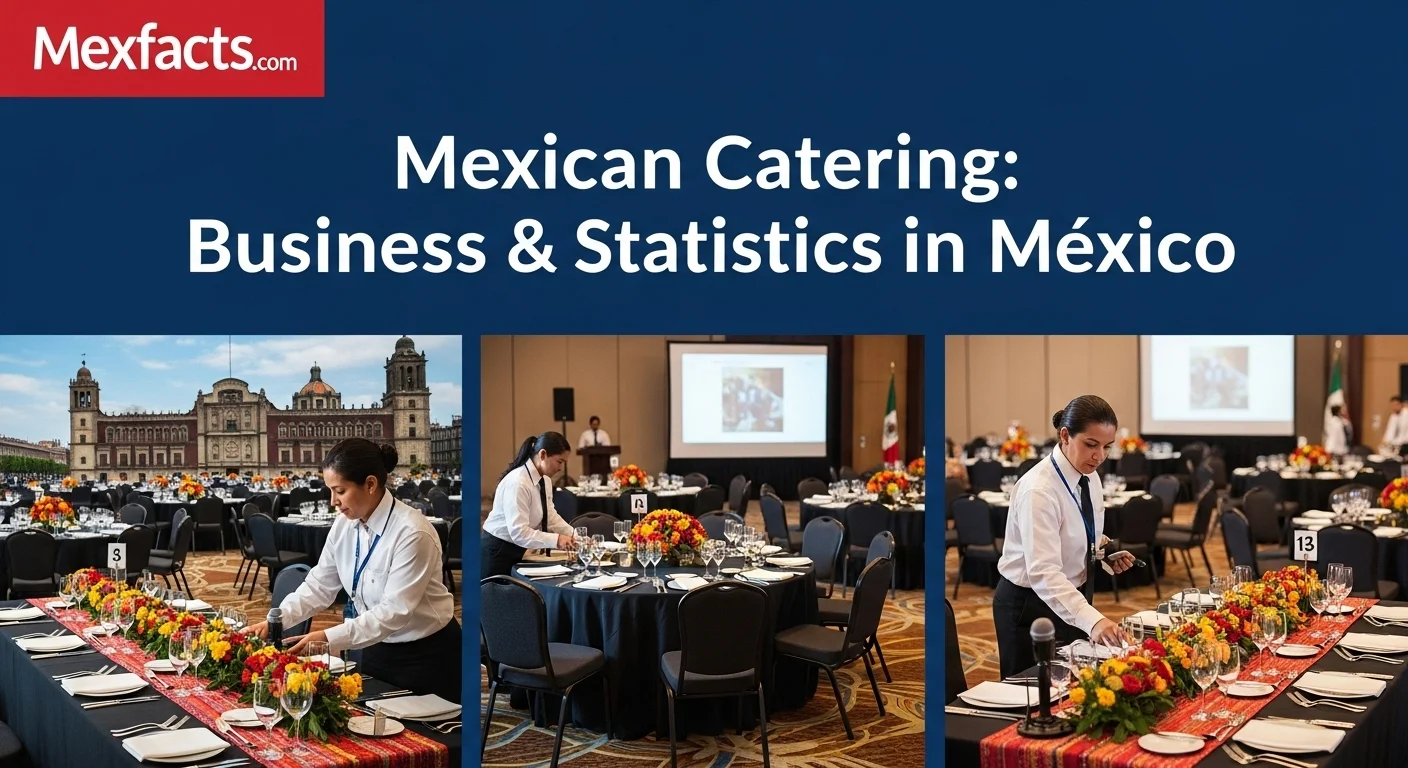
The catering industry in Mexico—professionally known as servicio de banquetes—is a central pillar of the nation's social, cultural, and corporate fabric. Far more than basic food delivery, Mexican catering encompasses full-service event hospitality, ranging from traditional communal taquizas to elaborate multi-course galas. Operating within a broader foodservice market valued in the tens of billions of dollars annually, specialized banquet providers serve private celebrations, corporate conventions, and destination weddings. This guide outlines the key service formats, market scope across major economic regions, operational standards, and practical logistics essential for event organizers and industry observers.
Understanding Catering in Mexico: The Concept of Servicio de Banquetes
In Mexico, event catering is formally known as servicio de banquetes. It represents a comprehensive hospitality discipline rather than simple meal drop-off. A full banquet service typically integrates on-site culinary preparation, linen and table appointments (mantelería y cristalería), professional service personnel (meseros and capitanes de meseros), and beverage management. In Mexican social custom, hospitality is deeply intertwined with personal and corporate reputation; the host, or anfitrión, is culturally expected to provide abundant, high-quality food that honors invited guests.
Historical Evolution: From Communal Feasts to Contemporary Banqueting
The roots of celebratory dining in Mexico date back to pre-Hispanic Mesoamerican civilizations. Aztec and Maya societies marked military victories, agricultural harvests, and civic rituals with communal feasts centered on maize, beans, squash, chiles, turkey, and wild game. The arrival of the Spanish in the 16th century introduced livestock, wheat, citrus, and dairy, creating the culinary synthesis known as mestizaje. European court banqueting customs blended with native culinary methods, producing complex celebratory dishes such as mole poblano and birria.
During the 20th century, rapid urbanization and an expanding commercial hospitality sector established professional catering as a structured business. The cultural weight of Mexican gastronomy gained global standing in 2010 when UNESCO inscribed Traditional Mexican Cuisine onto the Representative List of the Intangible Cultural Heritage of Humanity. This recognition catalyzed renewed interest in heritage culinary formats for both domestic high-end social functions and international destination events.
Core Catering Formats and Service Styles
Professional caterers in Mexico offer several established formats tailored to the event's formality, venue, and scale:
- La Taquiza (Taco Buffet & Live Stations)
- The most widely recognized and versatile Mexican catering format. Food is presented in traditional clay pots (cazuelas de barro) kept warm over alcohol burners, or served directly from live comal griddles. Organizers select four to six distinct stewed fillings (guisados)—such as tinga de pollo, chicharrón en salsa verde, rajas con crema, cochinita pibil, or grilled bistec and al pastor. The station includes warm corn tortillas, Mexican red rice, refried beans, assorted salsas, fresh guacamole, limes, and chopped cilantro and onions. Taquizas encourage interactive, communal dining and accommodate guest counts from 20 to several hundred people.
- Banquete Formal (Multi-Course Plated Service)
- The preferred format for formal weddings, diplomatic galas, and corporate dinners. Typically structured as a three- or four-course meal (tiempos), menus feature contemporary Mexican haute cuisine or continental adaptations. Common offerings include cream soups made with squash blossom (flor de calabaza) or poblano chile, followed by main proteins such as beef tenderloin with mezcal glaze, stuffed chicken breast with huitlacoche, or sea bass in a Veracruz-style reduction, concluded by artisanal Mexican pastries.
- Parrilladas and Regional Feasts
- Predominant in Northern Mexico, parrilladas center on live charcoal or wood grilling of cuts such as arrachera, sirloin, and costillas, paired with grilled chorizo, charred spring onions (cebollitas cambray), charro beans, and grilled nopales. Coastal events frequently showcase mariscadas featuring fresh ceviches, aguachiles, and grilled fish (pescado zarandeado), while central and southern events may incorporate pit-roasted barbacoa or carnitas prepared on site.
- La Tornaboda and After-Party Catering
- A customary feature of extended Mexican celebrations. Because weddings and milestone birthdays routinely continue into early morning hours, organizers contract a secondary service known as the tornaboda or servicio de desvelados. Served between 1:00 AM and 4:00 AM, this late-night service features restorative comfort dishes—such as warm chilaquiles with crema and cotija cheese, pozole, caldo tlalpeño, or mobile street-style taco stands—to conclude the celebration.

Industry Structure, Market Dynamics, and Regional Scope
Mexico's catering industry operates as a specialized, high-margin segment within the broader food and beverage economy. Understanding its scale requires distinguishing dedicated banquet providers from general foodservice businesses.
Economic Scale and Industry Classification
In Mexico's National Directory of Economic Units (DENUE) maintained by INEGI, the overarching food preparation and beverage sector (SCIAN 722) comprises more than 650,000 to 700,000 establishments nationwide, generating tens of billions of dollars across all commercial dining. Within this sector, dedicated catering providers are classified under Servicios de preparación de alimentos para ocasiones especiales (SCIAN 722320).
Macroeconomic market reports valuing Mexico's foodservice industry between 35 and 70 billion dollars encompass all commercial restaurants, fast food, and institutional dining. Dedicated catering represents a focused subset of this total, with growth fueled by corporate events, private family celebrations, and an expanding destination wedding market. The sector's financial performance correlates directly with regional corporate budgets, domestic disposable income, and international tourism volume.
Regional Market Variations
The banquet industry is geographically concentrated according to commercial activity and tourism flow:
- Central Mexico (Mexico City, State of Mexico, Puebla)
- The country's highest volume market, catering to corporate conventions, political galas, and formal weddings. Caterers here offer significant stylistic diversity, ranging from historic regional recipes to progressive avant-garde Mexican tasting menus.
- Northern Industrial Hubs (Monterrey, Saltillo, Tijuana)
- Characterized by strong demand for executive corporate dining, factory catering contracts, and premium parrilladas featuring high-grade beef cuts and outdoor live-fire installations.
- Destination Tourism Corridors (Riviera Maya, Los Los Cabos, San Miguel de Allende)
- The highest per-event pricing in Mexico. These corridors cater to destination weddings and international incentive groups, requiring bilingual floor staff, strict compliance with international food hygiene certifications, and seamless logistics across remote beachfront or historic hacienda venues.
Operational Models: Central Commissaries and Digital Logistics
Professional catering companies rely on dedicated commissary production facilities where raw ingredient prep, slow braising, and base sauces are completed under temperature-controlled conditions. Food is then transported to venues in insulated commercial thermal carriers (cambros) and re-thermalized or finished on site. Concurrently, digital channels—ranging from web-based quote builders to mobile messaging—have modernized client communication, contract management, and tastings.
Operational Standards, Planning Logistics, and Market Outlook
Executing successful catering in Mexico requires careful coordination of technical logistics, food safety certifications, and service personnel.
Essential Planning and Technical Logistics
Event planners and corporate organizers must evaluate several critical operational factors when engaging a banquet service:
- Venue Infrastructure and Utilities
- Many Mexican celebrations take place in outdoor haciendas, gardens, or private estates. Planners must verify electrical amperage for portable convection ovens, hot-holding cabinets, and refrigeration. Dedicated access to potable running water and sheltered prep zones is mandatory for safe food handling.
- Staffing Ratios and Service Hierarchy
- Standard ratios for formal plated dinners require one waiter (mesero) per 10 to 12 guests, overseen by a floor captain (capitán de meseros) who coordinates kitchen timing. For buffet or taquiza formats, one attendant per 25 to 30 guests suffices for replenishment and bussing. Bar service generally requires one bartender per 50 to 75 guests.
- Food Safety and Distintivo H Certification
- The Mexican Secretariat of Tourism (SECTUR) and Secretariat of Health (SALUD) jointly grant the Distintivo H certification to food handling businesses complying with standard NMX-F-605-NORMEX. Verifying that a caterer maintains Distintivo H or rigorous cold-chain protocols is essential, particularly in hot coastal environments.
- Beverage Protocols and Corkage (Descorche)
- Event agreements typically specify whether alcohol is provided via an open bar package (barra libre) or by the client under a corkage agreement (descorche), where the caterer charges a per-bottle or per-person fee to cover mixers, ice, glassware, and bar service.
Industry Challenges and Emerging Trends
The formal catering industry faces persistent competition from unregistered informal vendors who operate with lower overhead by avoiding tax compliance and food safety inspections. Established banquet firms differentiate themselves by offering written service guarantees, verified sanitary practices, civil liability insurance, and trained staff.
Simultaneously, caterers are integrating sustainability and wellness trends. Leading operators source heirloom corn and seasonal produce from regional smallholders, adopt biodegradable serviceware made from agave fibers, and offer tailored menus for plant-based, gluten-free, or diabetic guests without compromising traditional flavor profiles.
Frequently Asked Questions
- What is typically included in a traditional Mexican taquiza package?
- A standard taquiza package includes four to six warm guisados served in clay cazuelas, warm corn tortillas, Mexican rice, refried beans, multiple fresh salsas, chopped cilantro, onions, lime wedges, paper or earthenware service items, and on-site attendants for two to three hours of service.
- What is the Distintivo H certification in Mexican catering?
- Distintivo H is a voluntary national hygiene certification awarded by Mexico's Secretariat of Tourism and Secretariat of Health. It certifies adherence to strict microbiological and sanitary food handling standards under Mexican official standard NMX-F-605-NORMEX.
- How does tornaboda catering work for extended celebrations?
- Tornaboda catering is a late-night meal service provided during the final hours of an event (typically 1:00 AM to 4:00 AM). Caterers serve hot restorative foods such as chilaquiles, pozole, or street-style tacos to re-energize guests before the party concludes.
- How many service staff are needed for a formal banquet in Mexico?
- For plated multi-course banquets, industry best practice assigns one waiter for every 10 to 12 guests, led by a captain of waiters. Buffet and taquiza formats generally require one staff member per 25 to 30 guests.
Expert Reviews
Isabella Rossi, Destination Wedding Planner ⭐⭐⭐⭐⭐
As a wedding planner specializing in destination weddings in the Riviera Maya, this article was a godsend. It perfectly explains the cultural importance of the 'banquete' and the 'tornaboda,' which helps me set expectations for my international clients. The insights into regional specialties are invaluable!
Carlos Gutierrez, Entrepreneur ⭐⭐⭐⭐⭐
I was researching to start my own 'taquiza' catering service here in Texas, and this breakdown of the Mexican market, especially the trends like sustainability and digital kitchens, gave me so many ideas. It feels like it was written by someone who truly understands the business and the culture.
Emily Chen, Food Blogger ⭐⭐⭐⭐⭐
A fantastic and comprehensive read! I've always been fascinated by Mexican food, and this article connected the dots between the delicious food on the plate and the huge, dynamic industry behind it. The historical context was particularly interesting.