
The Mexican Rancho: A Deep Dive into Culture, Business, and Heritage
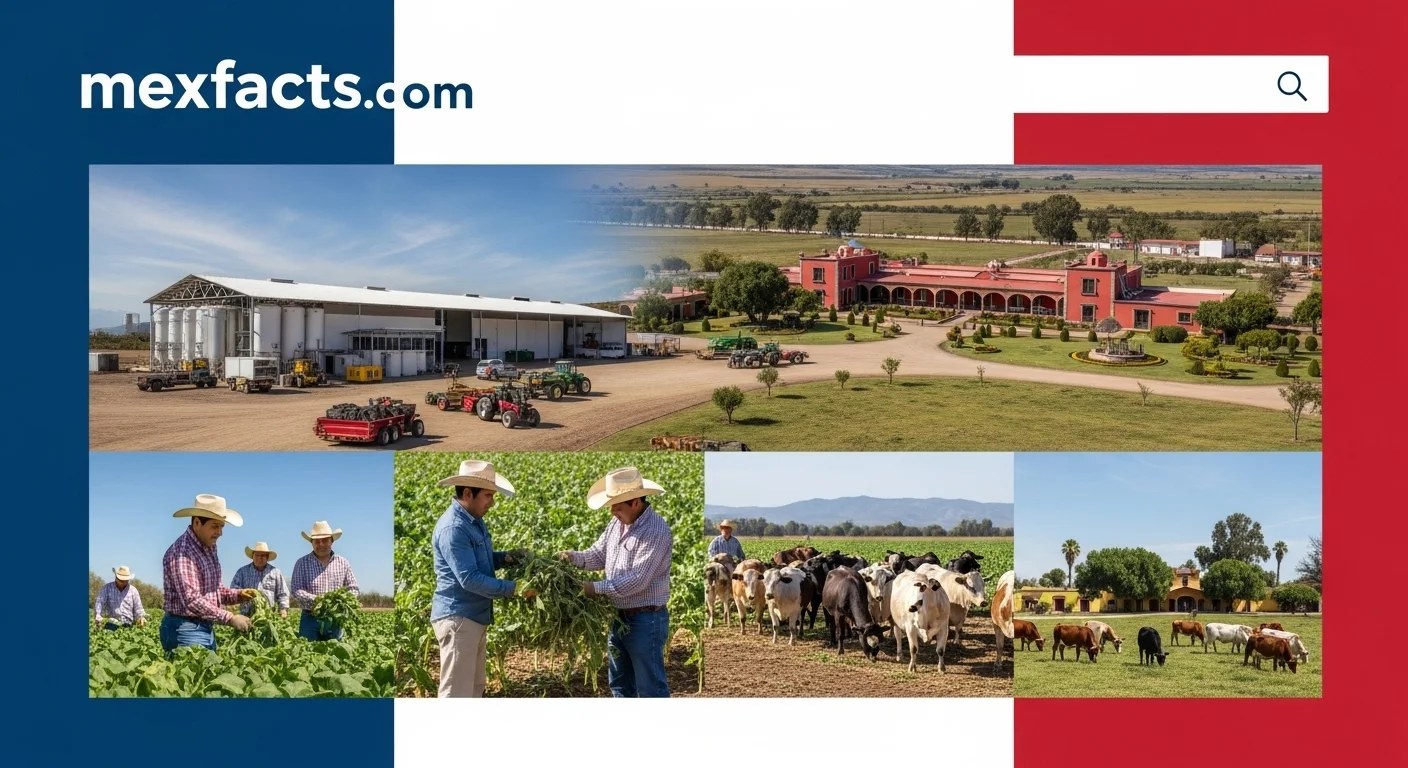
In Mexico, the 'rancho' is so much more than just a piece of land. For me, and for millions, it's a feeling—the smell of wet earth after a rain, the sound of horses at dawn, and the taste of fresh cheese made that very morning. It’s the heart of our culture, our history, and a surprisingly powerful part of our economy. Unlike the vast, impersonal haciendas of old, the rancho was often family-owned, a place that bred a fierce independence and a deep, personal connection to the land. Today, these ranchos are the backbone of Mexico's agricultural strength, raising the cattle for our famous carne asada and growing the agave for our beloved tequila. The idea is so powerful it's gone global; you see it in the names of restaurants everywhere, from a local 'rancho taqueria' to a grand 'rancho grande mexican restaurant,' all trying to capture that same promise of authenticity. This article will take you on a journey into the world of the Mexican rancho. We'll ride through its history, look at the real numbers behind its economic power, explore exciting business opportunities, and consider the future of this iconic symbol of Mexico.
Table of Contents
- What is a Rancho and Why Does It Matter Globally?
- Historical Roots: From Haciendas to Rancheros
- The Cultural Heartbeat of Rural Mexico
- International Relevance and Economic Power
What is a Rancho and Why Does It Matter Globally?
When you hear the word 'rancho' in Mexico, it paints a picture. It’s not just a translation of 'ranch.' It evokes images of rolling hills under a vast sky, hardworking vaqueros on horseback, and a life tied to the rhythm of the seasons. To the outside world, it might seem like a simple concept, but here, a rancho is a cornerstone of our heritage, a hub for rural communities, and a vital economic engine. Its importance has spilled over Mexico's borders, influencing global food trends, creating investment opportunities, and sharing a piece of our soul with the world. To understand the rancho is to understand a fundamental part of what it means to be Mexican.
Historical Roots: From Haciendas to Rancheros
The story of the rancho begins in the Spanish Colonial period. While we often hear about the massive 'haciendas'—enormous estates granted to powerful Spaniards—the rancho emerged as something different, something more personal. Ranchos were smaller land grants, often given to soldiers or settlers to encourage them to populate and work the frontier lands. This created a whole new social figure: the 'ranchero.' Unlike the wealthy 'hacendado' who managed his estate from a distance, the ranchero was a hands-on owner, working the land alongside his family and a few helpers. This life fostered a spirit of self-reliance, grit, and an intimate wisdom of the land that became a pillar of our national identity. I've always felt that while the haciendas were the imposing castles of the era, the thousands of ranchos were the true foundation of our agricultural society and the birthplace of a unique culture centered on family and livestock.
After we gained independence and went through the pivotal Mexican Revolution (1910-1920), the land was transformed. The revolutionary cry for 'Tierra y Libertad' (Land and Liberty) led to the breakup of many haciendas and the creation of 'ejidos,' or communal lands. But private ownership endured, and the rancho adapted. Many of the ranchos you see today are direct descendants of those early land grants, while others were carved from old haciendas or bought by ambitious families. This history gave us the three main types of rural land we have today: private property like ranchos, ejido land, and communal land.
The Cultural Heartbeat of Rural Mexico
The rancho is far more than just an economic entity; it’s the cradle of traditions that the world recognizes as quintessentially Mexican. The 'ranchero' himself, often romanticized in our golden age of cinema and music, represents a Mexican ideal: proud, independent, a master horseman, and fiercely loyal to his family and heritage. This archetype is the soul of 'música ranchera,' a genre whose heartfelt ballads tell stories of love, heartbreak, patriotism, and the simple beauty of the countryside, all from the perspective of life on the rancho.
Perhaps the most dazzling tradition to come from the rancho is 'Charrería,' our national sport. It grew organically from the daily chores of ranch life—roping cattle, breaking horses, and herding livestock—and evolved into a breathtaking equestrian competition. It’s a spectacle of skill and artistry, celebrating the incredible bond between the 'charro' and his horse. This tradition, born from practical work, is now recognized by UNESCO as an Intangible Cultural Heritage of Humanity.
And then there's the food. 'Comida de rancho' is a term that promises authenticity. It’s rustic, hearty, and made with the freshest ingredients the land can offer: corn from the field, beans from the pot, chiles from the garden, and meat from the herd. I remember visiting my great-uncle's rancho as a child and tasting tortillas straight from the comal—that flavor is something you never forget. This concept of honest, fresh food has profoundly shaped how the world sees Mexican cuisine. It’s no accident that so many successful Mexican restaurants worldwide use 'rancho' in their names. A place calling itself a del rancho mexican grill or a rancho taqueria is making a promise of authenticity. Names like rancho grande mexican grill or rancho viejo mexican food are powerful because they tap into a universal longing for genuine, traditional flavors—flavors born in the kitchens of Mexico's ranchos.
International Relevance and Economic Power
The economic impact of the Mexican rancho is immense. These properties are crucial for our country's food supply and our role as a major agricultural exporter. Northern Mexico, with its vast grasslands, is dominated by huge cattle ranchos that are deeply integrated into the North American beef market. States like Chihuahua and Sonora are legendary for their high-quality cattle, exporting hundreds of thousands of calves to the U.S. each year. This multi-million dollar industry is a perfect example of the rancho's modern economic power. That supply chain is the real-world foundation that allows a restaurant to credibly call itself the best del rancho mexican grill in its city.
Beyond cattle, ranchos are essential for other key industries. The global craze for tequila and mezcal is fueled by agave grown on ranchos in states like Jalisco and Oaxaca. This boom has transformed rural economies, making agave a very profitable crop for rancho owners. Furthermore, ranchos produce a huge share of Mexico's dairy, especially artisanal cheeses ('queso de rancho'), and staple crops like corn and beans.
The rancho has also become a destination for a new kind of tourism. 'Agrotourism' is a growing trend, offering travelers a chance to experience authentic rural life. Many historic ranchos and haciendas have been beautifully restored as boutique hotels and farm-stays. They offer activities like horseback riding, cooking classes, and tours of their operations. This provides a sustainable income for owners, allowing them to preserve their heritage while meeting the demand for experiential travel. This isn't your average vacation. Just as a rancho taqueria offers a taste of Mexico, these ventures offer a lived experience of it, appealing to travelers who seek a genuine connection to culture and place. The 'rancho' lifestyle itself has become a powerful brand, selling an ideal of authenticity that is deeply rooted in Mexican soil, from the food at a rancho grande mexican restaurant to a luxury stay at a renovated estate.
The Real Numbers: Statistics on the Modern Mexican Rancho
Trying to pin down the exact statistics for the 'rancho' in Mexico can be tricky. Our official data, from the National Institute of Statistics and Geography (INEGI), tends to classify land by its legal status—private, ejidal, or communal—rather than the cultural term 'rancho'. But if you know where to look, the data on private rural properties and agricultural output tells a powerful story about the rancho's enormous role in Mexico's economy. These numbers provide the substance behind the brand of every del rancho mexican grill around the world.
According to the latest agricultural census, more than half of Mexico's territory—a staggering 103.6 million hectares—is used for agriculture or forestry. This land is divided into the three systems born from our history. Private property, which is where most 'ranchos' fall, makes up about 41% of this agricultural land. While there are more ejido plots, the private ranchos are, on average, much larger and control a huge portion of Mexico's most productive land. These private properties can be anything from a small, family-run farm to the massive cattle empires in northern Mexico that stretch as far as the eye can see. This is where the bulk of our commercial and export-focused agriculture happens.
Cattle Ranching: The Northern Powerhouse
When people think of a rancho, they often think of cattle, and for good reason. It's the most iconic and economically dominant activity. Mexico’s national cattle herd numbers over 30 million head. To put that in perspective, that’s almost one cow for every four people in the country. Our beef production is a multi-billion dollar industry, producing over 2 million metric tons a year. A huge chunk of this is exported, with the U.S. as our main customer. The northern states of Chihuahua, Sonora, Jalisco, and Veracruz are the titans of this industry. In 2023, we exported over a million live cattle to the U.S., a trade worth hundreds of millions of dollars. It’s an incredibly sophisticated supply chain. So, when you're enjoying a fantastic carne asada at a high-end rancho grande mexican restaurant in the U.S., there’s a very good chance that the story of that beef began on the open grasslands of a Sonoran rancho.
The Agave Boom and Other Agricultural Giants
While cattle rule the north, other regions have their own rancho-powered economic engines. The global obsession with tequila and mezcal has turned the agave plant into liquid gold. Ranchos in the designated origin regions, especially Jalisco for Tequila and Oaxaca for Mezcal, are at the epicenter of this boom. The land dedicated to growing agave has exploded in recent years. The value of tequila and mezcal production now runs into the billions of dollars annually, with exports reaching nearly every country on Earth. This has brought incredible prosperity to these rural areas, creating jobs and opportunities on the ranchos where this magical plant is grown.
But it's not just about cattle and agave. Ranchos are vital for a huge variety of other products. Mexico is a world leader in producing fruits and vegetables. The 2022 Agricultural Census shows that sugarcane, chiles, and tomatoes are massive crops. States like Sinaloa and Jalisco are breadbaskets, producing millions of tons of corn, sorghum, and beans. It's this amazing diversity of fresh products that inspires the menus of authentic restaurants, from a humble rancho taqueria to a nationwide chain like rancho viejo mexican food. The marketing idea of 'fresh from the ranch' is powerful because it's rooted in a very productive reality.
The People Behind the Numbers
Behind all these statistics are the nearly 27 million people who work in agriculture in Mexico. It's tough work, and it's a world with its own challenges. While men make up 84% of the workforce, women play an absolutely essential, though often undervalued, role. INEGI reports that about 20% of agricultural operations are headed by women, but they face major hurdles, with only 15% having direct ownership of the land. In many regions, the average ranchero is getting older, which raises questions about who will take over these family enterprises. Many smaller ranchos operate on razor-thin margins, battling climate change, volatile market prices, and a lack of credit. The romantic image of the cowboy you might see in an ad for a del rancho mexican grill contrasts with the complex reality of modern farm life. The cultural power used by a place like a rancho grande mexican grill is built on the sweat, heritage, and resilience of these very people.
The Future of the Mexican Rancho: Challenges and Opportunities
The Mexican rancho today is standing at a fascinating crossroads, where deeply held traditions are meeting the forces of globalization, technology, and a changing climate. Its future will be written by its ability to innovate while holding onto the cultural authenticity that is its greatest asset. For anyone looking to invest or do business in Mexico, the rancho is a landscape of incredible opportunity, but it’s one that requires understanding and respect. I see a future of dynamic change, where the rancho evolves into a diversified, sustainable, and high-tech enterprise.
Avenues for Growth and Investment
One of the most exciting paths forward is through technology. 'AgriTech' is set to transform Mexican agriculture. Imagine drones flying over cornfields to monitor crop health, or soil sensors that tell a farmer exactly how much water to use—a game-changer in a country facing droughts. In the livestock business, advances in genetics and digital herd management can dramatically increase productivity and sustainability. A rancho that invests in these technologies becomes more resilient and profitable. These modernizations strengthen the entire supply chain, from the field to the kitchen of a premium del rancho mexican grill that wants to promise its customers a sustainable product.
Agrotourism and ecotourism represent another huge area for growth. People today crave authentic experiences, and what's more authentic than life on a rancho? I'm not just talking about a bed for the night; I'm talking about a curated experience. Imagine waking up to the smell of fresh coffee, learning to ride a horse like a charro, taking a cooking class to learn the secrets of 'comida de rancho,' or even helping with the morning milking. Opportunities range from luxury rancho resorts to networks of cozy, family-run farm-stays. This not only creates new income for rancho owners but helps preserve their heritage. A stay at a successful agrotourism rancho could become as sought-after as a meal at the most famous rancho grande mexican restaurant, offering a much deeper connection to our culture.
There's also a growing market for high-value, specialized products. The global shift towards organic, artisanal, and fair-trade goods is a perfect fit for the rancho. Getting organic certification can allow a rancho to sell its coffee, beef, or vegetables at a premium. Handcrafted products like 'queso de rancho' (farmstead cheese), small-batch mezcal, and local honey appeal to consumers who value quality and a good story. That story—of the family, the land, and the sustainable practices—is exactly what a modern customer wants, whether they're buying a product in a store or ordering at their local rancho taqueria.
Navigating the Road Ahead
Despite the opportunities, the future is not without its challenges. Climate change is a real and present danger. Severe droughts in the north are devastating grazing lands and threatening the viability of cattle ranching. In the south, unpredictable rains and storms can wipe out a year's harvest. Adapting will require serious investment in water-saving technology and climate-resilient farming.
Security is another major concern in some rural areas. The presence of organized crime can disrupt business, scare off investment, and threaten the safety of families. Solving this is a complex issue that requires a strong commitment from the government to protect its rural communities.
Economic pressures are also a constant reality. Small and medium-sized ranchos often find it hard to compete with massive agricultural corporations. They struggle with access to credit and markets, often leaving them at the mercy of middlemen. The romantic image projected by brands like rancho grande mexican grill or rancho viejo mexican food often masks the reality that for many, life on the rancho is an economic struggle. Supporting these smaller producers through cooperatives and fair-trade programs is essential for the sustainable future of rural Mexico.
Finally, there is the challenge of the generational shift. As many young people move to cities for education and new careers, we risk losing the knowledge and passion needed to run the family rancho. We have to show the next generation that the rancho is not a relic, but a dynamic business opportunity where they can integrate technology, tourism, and tradition. The future of the authentic Mexican experience, which the global food industry from the corner rancho taqueria to fine dining depends on, relies on the survival and success of these cultural and economic treasures.
In the end, the story of the Mexican rancho's future is one of immense potential. It is a vital part of our nation's soul and economy, ready for a transformation that will unlock even greater value. By embracing technology, sustainable tourism, and facing its challenges with courage, the rancho will continue to be a powerful symbol of Mexican resilience and a source of opportunity for generations to come.
Expert Reviews
Elena Ramirez, San Diego ⭐⭐⭐⭐⭐
As a third-generation Mexican-American, my abuelo always told me stories about his family's 'ranchito' in Jalisco. This article put so much of what he said into context for me. It beautifully explains the history and the pride of the ranchero culture. It made me feel closer to my roots. Gracias.
David Chen, MBA Candidate ⭐⭐⭐⭐
I was researching the agricultural supply chain between the US and Mexico for my international business class, and this piece was a goldmine. It connected the cultural significance of the 'rancho' to real, hard economic data. The stats on cattle and agave exports were exactly what I needed.
Sarah K., Seattle ⭐⭐⭐⭐⭐
My family and I stayed at a rancho-hotel near San Miguel de Allende last year, and this article perfectly captures that feeling. It's more than just a place; it's a whole way of life. The information here on agrotourism is spot-on. Highly recommend reading this before you plan a trip!