
The Authentic Mexican Taco Guide: Street Food, Regional Styles & Taquerías (2026)
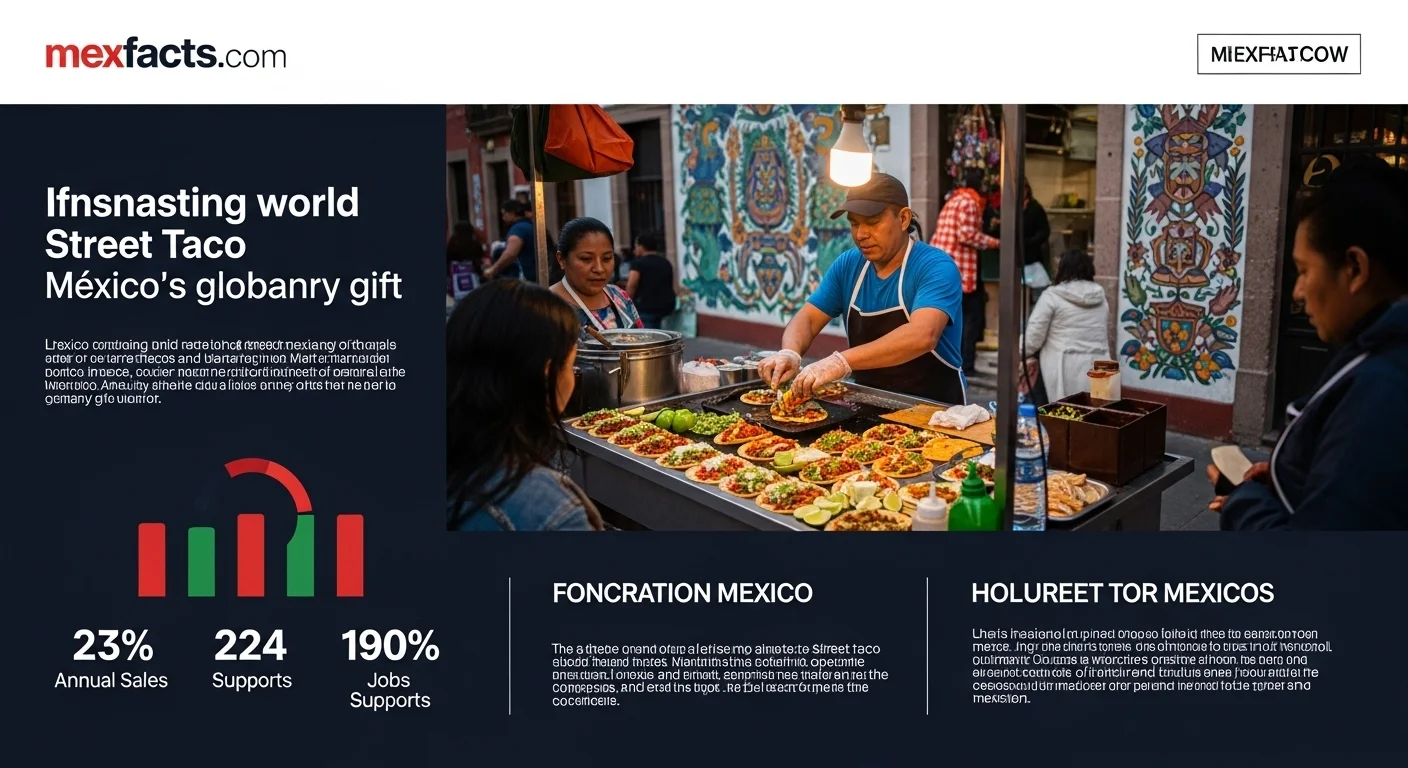
The authentic Mexican taco is a culinary pillar defined by fresh nixtamalized corn tortillas, distinct regional fillings, and balanced salsas. Beyond its pre-Hispanic roots and UNESCO-inscribed cultural heritage, the street taco represents an essential economic engine powering hundreds of thousands of independent taquerías across Mexico. This comprehensive guide details traditional preparation methods, iconic regional styles, practical ordering vocabulary, and the modern evolution of Mexican street food culture.
Table of Contents
- What Defines an Authentic Mexican Taco?
- The Evolution of the Taco: Pre-Hispanic Roots to Modern Stalls
- The Anatomy of a Street Taco: Tortilla, Fillings, and Salsas
- Regional Taco Styles Across Mexico
- How to Order at a Mexican Taquería: Practical Vocabulary and Etiquette
- Economic Scale and Gastronomic Tourism
- The Future of Mexican Street Tacos
- Frequently Asked Questions
What Defines an Authentic Mexican Taco?
An authentic Mexican taco is built on a simple foundation: a freshly prepared, warm tortilla wrapped around seasoned protein or vegetables, crowned with precise garnishes and scratch-made salsa. Unlike international fast-food interpretations characterized by rigid U-shaped fried yellow shells, shredded cheddar cheese, and ground beef seasoned with commercial powders, traditional Mexican street tacos rely on fundamental culinary principles refined over generations.
Authenticity in Mexican taco culture is distinguished by three core elements:
- The Tortilla as the Centerpiece: Freshly nixtamalized corn masa cooked on a hot flat griddle (comal), offering pliable texture, earthy aroma, and structural resilience.
- Purist Garnishes: Finely diced raw white onion, freshly chopped cilantro, and a wedge of key lime (limón con semilla). Dairy such as sour cream or yellow cheese is virtually absent on traditional street stalls.
- Dynamic Salsas: Table salsas made fresh daily—ranging from charred tomatillo salsa verde and roasted chile de árbol to fiery habanero—formulated to balance meat richness with acid and heat rather than mask flavors.
The Evolution of the Taco: Pre-Hispanic Roots to Modern Stalls
The origins of the taco are inextricably linked to the Mesoamerican domestication of maize. Thousands of years before European contact, indigenous peoples developed nixtamalization—the process of steeping dried maize kernels in an alkaline solution of water and culinary lime (calcium hydroxide). This biochemical transformation softens the grain, frees vital bound nutrients such as niacin (vitamin B3), and permits the dough to bind into pliable masa.
In Nahuatl culture, these flatbreads were known as tlaxcalli. Chroniclers such as Bernal Díaz del Castillo documented that Aztec rulers, including Moctezuma, utilized warm tortillas as edible utensils and envelopes for beans, turkey, wild game, and fish. Following the 16th-century Spanish conquest, Old World ingredients—specifically pork, beef, lamb, onions, cilantro, and lard—merged with indigenous culinary techniques. Over succeeding centuries, this fusion laid the groundwork for regional taquería traditions across Mexico.
The Anatomy of a Street Taco: Tortilla, Fillings, and Salsas
Understanding a taco requires appreciating how each component interacts to deliver texture and balanced acidity.
The Tortilla Foundation
The vast majority of street tacos in Central and Southern Mexico use small corn tortillas, typically 10 to 12 centimeters in diameter. Taqueros often serve tacos with a double tortilla (known as a copia). The base tortilla absorbs juices and rendered fat, while the outer layer provides structural integrity, ensuring the taco does not break apart while eaten standing up. In Northern Mexico, thin wheat flour tortillas (tortillas de harina) made with pork lard or vegetable shortening are the standard vessel for char-grilled beef.
Fresh Condiments and Table Salsas
Condiment bars at a traditional street stall (puesto) or taquería are purposeful. Fresh radishes (rabanitos) provide a peppery crunch and cleanse the palate between fatty bites, while grilled cambray scallions (cebollitas preparadas) and pickled red onions bring sweetness and acidity. Salsas are never an afterthought; they are carefully engineered to complement specific meat preparations.

Regional Taco Styles Across Mexico
Mexico's taco landscape varies dramatically by geographic region, reflecting local agricultural production, livestock history, and indigenous cooking methods.
Central Mexico and Mexico City (CDMX)
- Tacos al Pastor: Originating in Puebla during the mid-20th century through Lebanese immigrant communities adapting spit-roasted shawarma, this style utilizes thinly sliced pork marinated in achiote paste, dried guajillo chiles, vinegar, and aromatics. Cooked on a vertical rotisserie (trompo) crowned with an onion and a whole pineapple, the meat is carved directly into the tortilla with a flick of warm pineapple.
- Suadero: A signature Mexico City cut consisting of thin, marbled beef (flank or brisket) braised slowly in a convex circular stainless-steel comal with rendered fat and stock, finished with a quick sear before chopping.
- Tacos de Guisado: Homestyle braised dishes served from traditional earthenware clay pots (cazuelas) over a bed of red Mexican rice. Classic fillings include chicken tinga, chicharrón in salsa verde, rajas con crema, and picadillo.
- Tacos de Cabeza: Tender beef head meats gently steam-cooked in specialized covered pans, including cheeks (cachete), tongue (lengua), and eyes (ojo).
Northern Mexico
- Carne Asada: Anchored in Sonora, Nuevo León, and Coahuila, carne asada features high-quality cuts of flank steak, arrachera (skirt steak), or sirloin salted and grilled over mesquite charcoal. They are predominantly served on warm flour tortillas with smoky charred tomato salsa, guacamole, and grilled scallions.
- Tacos de Trompo: The northern counterpart to pastor, frequently seasoned with intense paprika and chile marinades and served with regional melted cheese variations like gringas and piratas.
Western and Coastal Mexico
- Baja Fish and Shrimp Tacos: Originating in Ensenada and San Felipe, fresh coastal seafood is dipped in a light beer batter, deep-fried until crisp, and garnished with finely shredded green cabbage, fresh pico de gallo, lime juice, and a light crema-mayonnaise dressing. Exploring coastal destinations such as Sayulita and the broader Pacific shoreline of Nayarit showcases this vibrant seafood taco culture.
- Birria: Hailing from Jalisco, birria features goat or beef stewed with roasted ancho, guajillo, and pasilla chiles, Mexican oregano, cloves, and ginger. Served with hot broth (consomé) for dipping, modern variations include griddled cheesy quesabirrias.
- Carnitas: Perfected in Michoacán, whole pork butchered into various cuts is slow-simmered in pure lard within heavy copper cauldrons (cazos de cobre) for several hours until tender inside and caramelized outside. Common cuts include maciza (lean pork loin/shoulder), costilla (ribs), and surtida (mixed cuts).
Southern Mexico and the Yucatán Peninsula
- Cochinita Pibil: A quintessential Maya specialty from Yucatán, pork is marinated in Seville sour orange (naranja agria) juice, garlic, and achiote paste, wrapped in fragrant banana leaves, and traditionally slow-roasted in an underground pit oven (píib). Served on corn tortillas topped with pickled habanero red onions.
- Tasajo and Cecina: Found across Oaxaca and Morelos, featuring thinly sliced, salted, and air-dried beef or pork ribbons griddled over open flame and served with fresh handmade heirloom corn tortillas.
How to Order at a Mexican Taquería: Practical Vocabulary and Etiquette
Approaching a busy street stall or neighborhood taquería can feel fast-paced, but understanding key terminology ensures a seamless dining experience.
- Con todo:
- Ordering your tacos with all standard garnishes—almost universally meaning finely chopped raw white onion and fresh cilantro.
- Copia:
- A double corn tortilla base, standard at most street stands to support hearty fillings.
- Pastorero / Taquero:
- The master grill cook or spit-carver running the station. Always order directly from the taquero preparing your specific meat.
- Salsas al gusto:
- Salsas are self-served from bowls or squeeze bottles on the counter. Sample a small drop first to gauge heat intensity.
- Para llevar / Para comer aquí:
- Specifying whether your order is takeout ('para llevar') or to eat on-site ('para comer aquí').
- La cuenta:
- Asking for the bill when finished. At many traditional street stands, you pay the cashier (cajero) rather than the cook who handles the food, stating how many tacos you consumed on the honor system.
Street Food Hygiene and Practical Guidance
To enjoy street taquerías safely, apply straightforward visual checks:
- High Customer Turnover: Frequent customer volume means meats, tortillas, and salsas are constantly replenished and cooked fresh rather than sitting at room temperature.
- Separation of Cash and Food: Look for operations where the taquero handles food with tongs and clean hands, while a separate cashier handles paper money and coins.
- Actively Boiling or Sizzling Cooktops: Ensure proteins come straight from sizzling planchas, bubbling cazos, or hot trompos directly onto your tortilla.
Economic Scale and Gastronomic Tourism
The taco is far more than an everyday meal; it is an economic titan within Mexico's domestic commerce and service sector. According to employment data from Mexico's National Institute of Statistics and Geography (INEGI) via the National Survey of Occupation and Employment (ENOE), the prepared street food and informal food service workforce encompasses upwards of 800,000 workers nationwide, providing vital independent livelihood opportunities for families across the country.
Micro, small, and medium-sized food establishments, which include neighborhood taquerías and street puestos, constitute more than 80% of Mexico's total food and beverage sector. The domestic taco industry is estimated to generate upwards of 50 billion Mexican pesos annually. In Mexico City alone, registered taquerías support tens of thousands of formal and informal hospitality jobs.
Furthermore, culinary culture is a primary pillar of Mexico's tourism economy. In 2010, UNESCO officially inscribed Traditional Mexican Cuisine onto the Representative List of the Intangible Cultural Heritage of Humanity, citing ancestral agricultural methods, the milpa cropping system, and traditional culinary craftsmanship. Mexico's Ministry of Tourism (SECTUR) maintains specialized gastronomic routes to guide visitors through regional culinary capitals. Tourism spending studies indicate that food and beverage expenditure represents nearly 30% of total international visitor spending, confirming that travelers visiting on an inclusive tour of Mexico place dining at the center of their travel experience.
The Future of Mexican Street Tacos
While rooted in centuries-old tradition, the taco sector continues to adapt to contemporary environmental, technological, and economic shifts.
Digital Modernization and Supply Chains
Neighborhood taquerías are increasingly integrating digital point-of-sale hardware, contactless smartphone payments, and third-party delivery platforms. During peak dining hours in urban centers, delivery apps dispatch millions of tacos monthly, expanding the delivery footprint of traditional family stalls without sacrificing menu specialization. Additionally, growing international demand for genuine Mexican culinary ingredients has strengthened export supply chains for heirloom dried chiles, certified masa harina, and traditional spices.
Agricultural Sustainability and Native Maize Preservation
The foundation of the entire taco industry depends on maize cultivation. Rising climate variability, water scarcity, and shifting grain markets have highlighted the critical importance of preserving native heirloom corn varieties (maíz criollo). Culinary advocates, agricultural researchers, and traditional smallholders are actively working to protect biodiversity within Mexico's milpa systems, ensuring that traditional nixtamalization remains viable and resilient for future generations.
Eco-Friendly Packaging Innovations
Urban municipal regulations across Mexico are driving street food vendors away from single-use plastics and expanded polystyrene towards biodegradable, compostable alternatives derived from cornstarch, avocado pit resins, and sugarcane bagasse. Many stalls have also returned to traditional wax paper wraps or washable plastic plates lined with thin recyclable liners.
Frequently Asked Questions
What is the difference between street tacos and restaurant tacos?
Street tacos are characterized by their handheld size (using small 10–12 cm corn tortillas), focused menu offerings centered around one or two cooking techniques (such as pastor, carnitas, or suadero), fast assembly, and straightforward garnishes of onion, cilantro, and lime. Restaurant tacos may feature larger tortillas, plated side dishes such as refried beans and rice, and specialized gourmet or fusion ingredients.
Why do taqueros serve tacos with two tortillas?
The double tortilla (known as a copia) prevents the taco from tearing. Juices and melted fat from freshly cooked meat can soften the inner corn tortilla; the secondary outer layer provides structural reinforcement so diners can eat cleanly by hand.
Are flour tortillas considered authentic in Mexican tacos?
Yes, absolutely. While corn tortillas are standard across Central and Southern Mexico, wheat flour tortillas (tortillas de harina) are authentic and native to Northern states such as Sonora, Chihuahua, Coahuila, and Nuevo León, where wheat farming and cattle ranching have flourished since the colonial period.
How should travelers identify safe street taco stands?
Look for stalls patronized by steady queues of local families and office workers, indicating high turnover where ingredients never sit idle. Ensure that food handlers are dedicated to cooking while a separate worker handles money, and verify that meats are sliced hot from the spit or griddle immediately before serving.
Expert Reviews
Sarah K., Tourist ⭐⭐⭐⭐⭐
I just got back from Oaxaca and this article is spot on. I used to think I knew tacos, but after standing in line with locals for *tacos de lechón*, I get it now. This piece perfectly captures that feeling of community and incredible flavor. It’s not just food, it’s an experience.
Javier Morales, Entrepreneur ⭐⭐⭐⭐⭐
As someone looking to open an authentic taquería in Canada, this was incredibly insightful. The breakdown of the economic impact and the opportunities in the supply chain gave me a much clearer business plan. It's more than just a recipe; it's about understanding the culture behind it.
Elena Gutierrez, Cultural Enthusiast ⭐⭐⭐⭐⭐
What a beautiful tribute to the taco. The historical details, connecting the *trompo* to Lebanese shawarma, are fascinating. It’s a great read for anyone who wants to understand why this simple dish is so deeply woven into the fabric of Mexican life. ¡Me dio hambre!