
Mexico Travel Packages: Types, Cost Breakdown, and Booking Guide
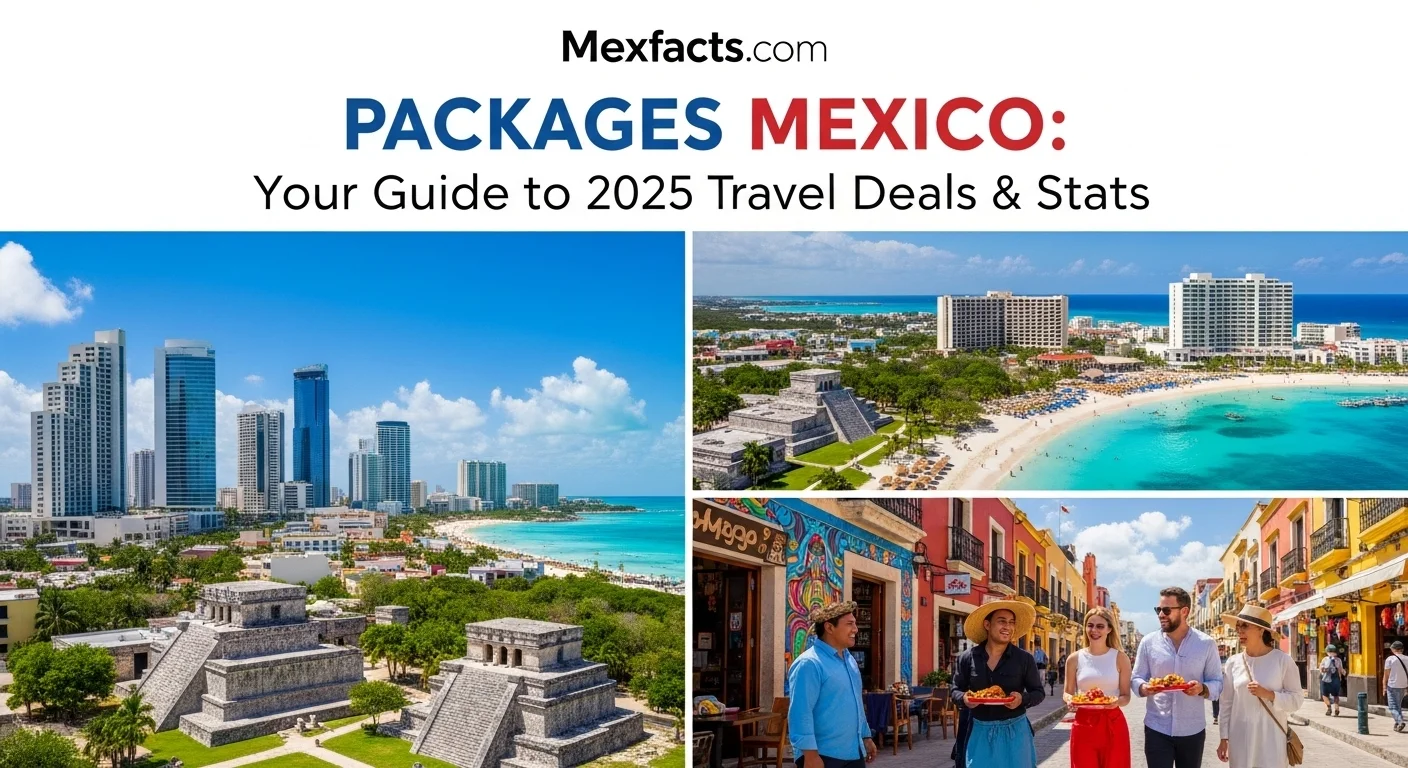
Booking a travel package to Mexico can significantly reduce the complexity and cost of planning a vacation, whether you are reserving a sun-soaked Caribbean resort, an independent flight-and-hotel bundle, or an escorted cultural tour through the central highlands. However, headline prices often obscure critical differences in what suppliers actually provide. Understanding the distinctions between chartered wholesale packages, dynamic online travel agency (OTA) bundles, and traditional tour operators helps travelers evaluate genuine value. This guide outlines the principal types of Mexico travel packages, clarifies standard inclusions and mandatory local taxes, compares premier regional destinations, and highlights practical booking strategies to avoid unexpected expenses on arrival.
Understanding Mexico Travel Package Categories
Travel packages to Mexico fall into three distinct operational models, each serving different travel styles, risk tolerances, and budgets:
1. All-Inclusive Beach Resort Bundles
The most recognizable package format pairs round-trip airfare, round-trip ground transfers, and an all-inclusive hotel stay in premier coastal corridors such as Cancún, the Riviera Maya, Los Cabos, and Puerto Vallarta. In these arrangements, all standard meals, snacks, domestic beverages, and non-motorized watersports are covered under a single upfront rate. These bundles are typically assembled through volume tour operators or wholesale distribution networks, which purchase blocks of airline seats and resort inventory at negotiated wholesale prices.
2. Dynamic Flight-and-Hotel Packages
Offered primarily by major online travel agencies (OTAs) and airline vacation desks (such as Delta Vacations, American Airlines Vacations, or United Packages), dynamic packaging allows travelers to pair scheduled commercial flights with boutique, European-plan (room-only), or breakfast-included hotels. Unlike chartered resort packages, dynamic packages offer greater scheduling flexibility and room choice, making them the standard vehicle for urban explorations, culinary trips, and multi-stop journeys.
3. Escorted Multi-Day Cultural and Regional Tours
Escorted packages cater to travelers seeking regional immersion in destinations like Oaxaca, Chiapas, Guanajuato, and the Copper Canyon. These packages generally bundle regional ground transportation (private coach or train), bilingual licensed guides, hotel accommodations, daily breakfast, and admission fees to key archaeological and historic sites. International airfare may either be bundled or booked as an independent add-on.
What Is Typically Included vs. Excluded
Evaluating the true cost of all-inclusive Mexico vacation packages requires examining the fine print before booking. While package marketing emphasizes seamless convenience, several costs remain excluded from base rates:
- Airfare and Checked Baggage: Base package airfares frequently default to basic economy tickets, which exclude checked bags, seat selection, and boarding flexibility. Factor in baggage fees (often $35 to $45 USD each way per bag) when calculating total transport cost.
- Airport Ground Transfers: Some packages include shared round-trip airport-to-resort shuttles, while budget bundles omit them entirely. Independent private transfers range from $60 to $150 USD depending on transit distance.
- Resort Fees and Premium Amenities: While all-inclusive resorts cover standard buffet and a la carte dining, luxury properties may add daily resort fees or charge surcharges for premium cuts of meat, vintage wine cellars, beachfront cabanas, and motorized marine sports.
- Gratuities: While resort marketing often claims tips are included in all-inclusive rates, tipping in cash (Mexican Pesos preferred, or small-denomination US Dollars) remains customary for housekeeping, bartenders, and waitstaff.
- Federal and Local Municipal Taxes: Mexico's federal non-immigrant tourist tax (DNR) is routinely bundled into scheduled commercial international airfare. However, local municipality taxes must be settled directly at the hotel front desk during check-in or checkout.
Destination Value: Where Packages Save the Most
Package savings vary dramatically based on the destination's hotel infrastructure and competitive air route density:
Cancún and the Riviera Maya
Cancún International Airport (CUN) benefits from heavy airline competition and hundreds of high-capacity resorts, making Cancún vacation deals the most aggressively discounted vacation packages in Latin America. Packages in this corridor excel at delivering luxury all-inclusive stays at lower combined prices than booking room and flight independently, especially for families and large groups.
Los Cabos and the Baja Peninsula
Due to higher luxury resort density and upscale demand, Cabo vacation packages average higher per-night costs than their Caribbean counterparts. However, packaging luxury European-plan or high-end all-inclusive resorts with direct West Coast flights frequently saves travelers hundreds of dollars compared to retail hotel rack rates.
Mexico City and Urban Centers
For metropolitan travelers, Mexico City vacation packages rarely adopt the all-inclusive model because the capital's culinary and cultural appeal relies on exploring neighborhood restaurants in Roma, Condesa, and Polanco. Dynamic packaging here is best used to secure bundled rates on boutique or business-class hotels paired with scheduled flights.
Pacific Coast Destinations
Traditional coastal towns offer a different value proposition. Opting for Mazatlán vacation packages or trips to Puerto Vallarta delivers access to historic beachfront districts, traditional boardwalks (malecóns), and mid-tier family resorts with noticeably lower food and activity add-on costs than newer planned mega-resort zones.
Booking Channels: OTAs, Wholesale Clubs, and Direct Operators
Selecting the right booking channel affects your pricing, payment flexibility, and customer support when travel disruptions occur:
- Wholesale Travel Clubs (e.g., Costco Travel): Wholesale clubs leverage immense purchasing power to offer bundles that combine airfare, resort stays, ground transportation, and value-added resort credits or gift cards. Their inventory focuses on vetted, premium family and luxury properties.
- Online Travel Agencies (Expedia, Priceline, Booking.com): OTAs excel at providing extensive comparison search filters and inventory across all price points. However, customer service during weather delays or schedule changes can involve cumbersome third-party mediation.
- Airline Vacation Desks (e.g., American, Delta, United Vacations): These suppliers package proprietary flights with contracted resorts. They frequently offer bonus frequent-flyer miles, lower upfront deposits, and streamlined rebooking protections if the operating flight suffers irregular operations.
- Specialized Escorted Tour Operators: Operators focusing on cultural, hiking, or wildlife itineraries coordinate complex regional logistics that are impossible to duplicate with standard online bundle engines.
Hidden Costs and Arrival Logistics
Navigating the arrival process and local municipal fees smoothly will ensure your package vacation begins without unwanted surprises:
The Airport Transportation Corridor ("The Shark Tank")
Upon clearing customs and baggage claim at major Mexican resort airports (such as Cancún, Puerto Vallarta, or San José del Cabo), travelers must walk through an interior corridor commonly nicknamed "the shark tank." This room is lined with timeshare sales representatives posing as official airport information desks, taxi dispatchers, or tour guides. If your package includes airport transfers, do not stop in this room. Proceed straight outside through the sliding glass exit doors to the open-air transportation staging area, where authorized uniformed drivers hold signs displaying your transfer company's name or your booking voucher details.
Environmental Sanitation Tax (Derecho de Saneamiento Ambiental)
Municipalities across key tourist regions—including Benito Juárez (Cancún), Solidaridad (Playa del Carmen), Tulum, and Los Cabos—impose an environmental sanitation fee. This municipal charge is typically between 30 and 85 Mexican Pesos ($1.75 to $4.50 USD) per room, per night, regardless of occupancy. Because this is a municipal levy collected directly by local governments, package providers do not include it in online checkouts; hotels collect it upon check-in or checkout via credit card or cash.
State Tourist Taxes (Visitax in Quintana Roo)
Travelers visiting the state of Quintana Roo are subject to the state visitor tax known as Visitax (approximately 224 MXN or roughly $11 to $13 USD per international traveler). This fee can be paid online via the official state government web portal before departure or during your stay.
Dynamic Currency Conversion (DCC) at Check-In
When settling incidental room deposits, spa treatments, or local taxes at hotel reception, credit card terminals may offer to charge your home currency (USD/CAD/EUR) instead of Mexican Pesos (MXN). Always choose to be billed in Mexican Pesos (MXN). Accepting conversion on the terminal triggers steep merchant exchange markups of 3% to 7% above standard interbank rates.
Seasonality and When to Book
Timing your package purchase directly influences total expenditure and crowd levels:
- Peak Season (Mid-December through April): Ideal dry weather and warm winter temperatures drive peak demand. Package prices are at their highest, especially over Christmas, New Year, and Easter (Semana Santa). Book 4 to 6 months in advance for prime availability.
- Shoulder Season (May and October through November): These windows offer an optimal balance of pleasant weather, fewer crowds, and discounted package pricing. November is particularly attractive as hurricane season subsides and regional cultural events take place.
- Low Season (June through September): High humidity, summer temperatures, and increased tropical precipitation lead resorts to drop rates sharply. Budget-conscious travelers find exceptional value during this window, provided they book travel insurance covering weather disruptions.
Frequently Asked Questions
- Are all-inclusive Mexico travel packages cheaper than booking flights and hotels separately?
- In major beach destinations like Cancún, Riviera Maya, and Los Cabos, all-inclusive packages are frequently 15% to 30% cheaper than reserving flights and accommodations individually. Tour operators purchase airline seats and hotel room blocks in bulk, passing negotiated savings along to consumers.
- Are airport transfers automatically included in Mexico vacation packages?
- Not always. High-tier packages and wholesale club bookings typically bundle shared or private ground transportation, but standard OTA bundles often treat airport transfers as an optional paid add-on. Check your itinerary documentation before departure to confirm transfer coverage.
- What currency should I use for incidental expenses and tipping?
- While US Dollars are widely accepted in tourist corridors, paying for tips, taxis, and off-resort purchases in Mexican Pesos (MXN) yields the best purchasing power and avoids unfavorable retail conversion rates.
Expert Reviews
The Henderson Family ⭐⭐⭐⭐⭐
We just got back from a week in the Riviera Maya with our two kids. Booking an all-inclusive package was a game-changer! This article really helped us understand what to look for and feel confident in our choice. Thank you for the clear, human advice!
Mark T., Solo Traveler ⭐⭐⭐⭐⭐
I was looking for a trip that went beyond the beach, and this guide pointed me towards a cultural package in Oaxaca. It was the trip of a lifetime! The insights on 'Pueblos Mágicos' and culinary tourism were spot-on. It felt like getting advice from a local friend.
Elena Petrova, Investment Analyst ⭐⭐⭐⭐
As an analyst looking at emerging markets, this article was refreshingly clear and well-contextualized. It presented the data and future opportunities for Mexican tourism without the usual corporate jargon. It provided a solid, human perspective on the market's potential.