
The Soul of 'White' Mexico: From Pristine Beaches to Global Business

I often think about the color white and what it means in Mexico. It’s more than just a color; it’s a feeling, a taste, and a cornerstone of our identity. In this article, we'll journey through what I call 'White Mexico.' It’s a way to understand some of our most beautiful and important features. We'll walk on the brilliant white-sand beaches of the Caribbean, so fine and cool underfoot because they’re made of ancient coral. We'll explore the 'White City' of Mérida, where the limestone buildings seem to radiate sunlight. We'll also taste 'White Mexico'—in the savory white corn that forms our daily tortillas, the pure agave flavor of a good Tequila Blanco, and even in the promise of 'white-label' manufacturing that’s drawing businesses to our shores. This is a guide for anyone, whether you're a traveler dreaming of your next escape, a food lover eager to understand our cuisine's roots, or an investor looking for the real story behind the numbers. The 'white' treasures of Mexico are a symbol of our natural beauty, our rich culture, and our dynamic economy.
What is 'White Mexico' and Why Does It Matter?
To truly know a place, you have to look beyond the surface. When I talk about 'White Mexico,' I'm not talking about a single place or idea. It's a lens through which we can see the brilliant threads of culture, nature, and economy that weave together to create modern Mexico. It’s a journey that touches the soul of the country, from our breathtaking natural landscapes to the very foundations of our food and traditions. Understanding this concept is like being let in on a wonderful secret, revealing a core part of Mexico's identity and its captivating appeal to the world.
Table of Contents
The Luminous Coastline: Mexico's White Sand Paradises
Internationally, when people dream of Mexico, they often picture our beaches. And for good reason. I'll never forget the first time I set foot on the shores of Tulum; the sand was as fine as powdered sugar and surprisingly cool, even in the midday sun. This is the magic of the Caribbean coast in Quintana Roo. Destinations like Cancún, Playa del Carmen, and Isla Mujeres are world-famous for this brilliant white sand, which is actually made from crushed coral, not rock. It’s a gift from the sea that creates a paradise on earth.
The importance of these white beaches is immense:
- Economic Heartbeat: Tourism is a lifeblood for Mexico, and the Riviera Maya, with its white sands, is the crown jewel. It draws millions of people from across the globe each year, supporting a vast network of hotels, restaurants, and local tour guides whose families depend on this natural wonder.
- A Global Postcard: That iconic image of a perfect white beach meeting a turquoise sea is Mexico's most powerful invitation to the world. It has solidified our place as a top-tier travel destination and continues to attract investment in creating world-class experiences for visitors.
- An Ecological Treasure: These coasts are neighbors to the Mesoamerican Barrier Reef System, the second-largest coral reef on the planet. The health of our white sand beaches is directly tied to the health of this vital marine ecosystem, making their conservation a global priority.
The White Cities: Colonial Splendor and Architectural Heritage
Beyond the coast, 'White Mexico' lives in our cities. The most famous is Mérida, the capital of Yucatán, lovingly called 'La Ciudad Blanca' (The White City). Walking its streets, you can feel the history. Some say the name comes from the white limestone used to build its grand colonial mansions, while others say it was for its cleanliness. Whatever the origin, the effect is undeniable—the city gleams. Another treasure is Taxco, a silver-mining town in the mountains of Guerrero. Here, you'll find whitewashed buildings with red-tiled roofs cascading down the hillsides. It’s a breathtaking sight that feels like stepping back in time. This design was a practical Spanish colonial choice to reflect the heat, but today it defines the town's artistic soul and offers a rich cultural experience far from the beach resorts.
Foundations of Flavor: White in Mexican Gastronomy
To truly taste Mexico, you must taste its 'white' ingredients. They are the foundations of so much of our cuisine.
- Maíz Blanco (White Corn): This is the soul of our food. White corn is what we use to make our daily tortillas. Through the ancient and almost magical process of nixtamalization—soaking the corn in an alkaline solution—we unlock its nutrition and flavor to create masa. This dough is the starting point for countless dishes, from tacos and tamales to the ceremonial stew, pozole blanco, a heartwarming dish made with large white corn kernels that I grew up eating on special occasions.
- Queso Blanco and Queso Fresco: These fresh white cheeses are everywhere in Mexico, and for good reason. They aren't complex like aged cheeses; their beauty is in their simplicity. We crumble their mild, salty goodness over beans, enchiladas, and salads. They provide the perfect, creamy balance to a spicy salsa.
- Tequila Blanco (Silver Tequila): This is tequila in its purest form. Unaged and clear, Tequila Blanco captures the true, vibrant spirit of the blue agave plant. You can taste the raw agave, hints of citrus, and pepper. It’s the foundation for all other tequilas and a cultural export we are incredibly proud of. Its booming popularity around the world is a testament to its quality and heritage.
Cultural Threads: White in Tradition and Symbolism
In our culture, white is a color of great meaning—of purity, celebration, and respect.
- Traditional Clothing: In the hot, humid regions of Yucatán and Veracruz, you’ll see men wearing the 'guayabera.' This elegant white linen or cotton shirt is our formalwear, a comfortable and stylish symbol of our heritage. Many of our indigenous ceremonial outfits also feature beautiful white cotton, often covered in intricate, colorful embroidery that tells a story.
- Ceremonies and Rituals: White is central to many of our most important life events. For baptisms and first communions in the Catholic faith, which is a deep part of our culture, children are dressed in pure white. And during Día de Muertos (Day of the Dead), amidst all the vibrant colors, the iconic sugar skulls are crafted from stark white sugar, a sweet reminder of the souls we honor.
White is woven into the fabric of daily life and sacred moments, telling a quiet but powerful story of who we are.
Current Statistics: The Numbers Behind 'White Mexico'
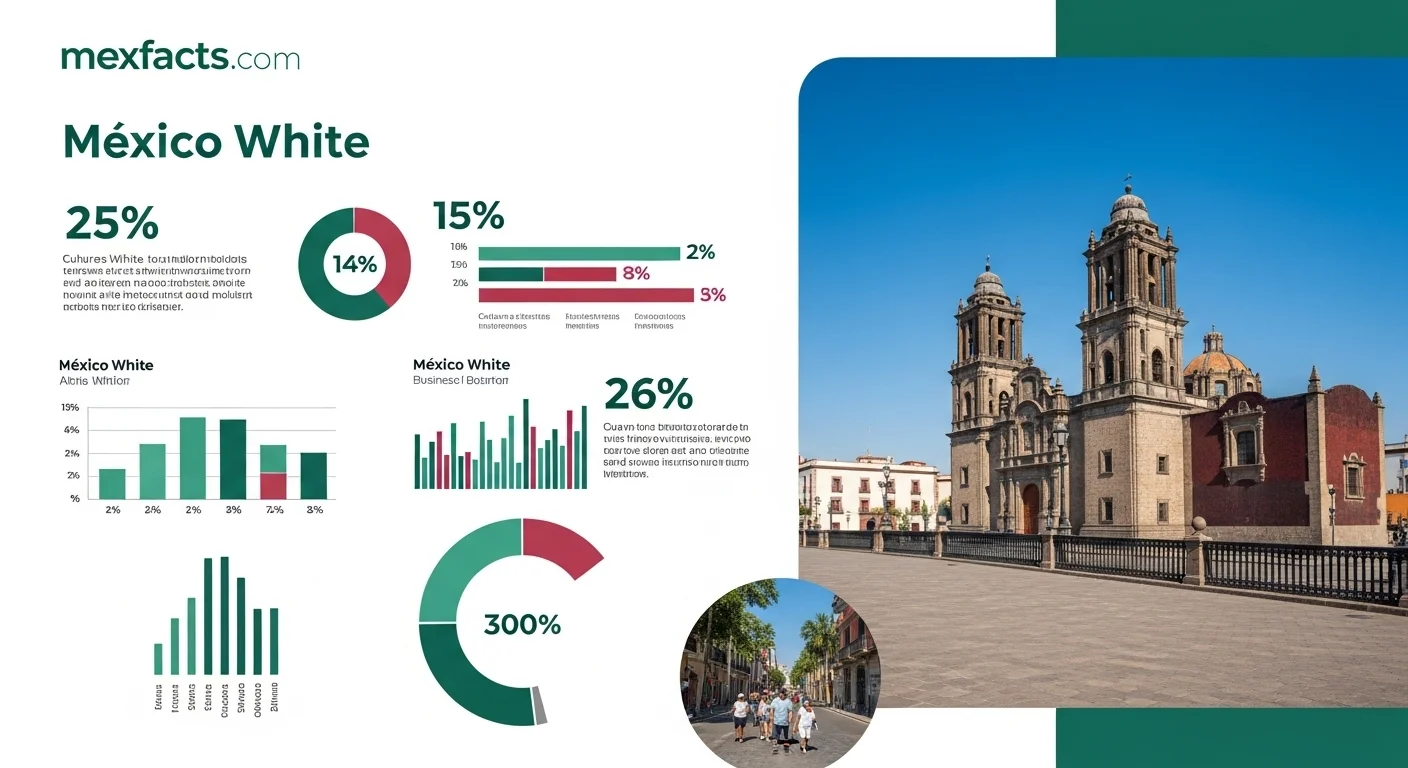
Looking at the data reveals just how vital these 'white' assets are to Mexico. The numbers tell a powerful story of economic strength and cultural significance on a global scale. Here’s a look at the data that quantifies the importance of our white-sand coastlines, our foundational agriculture, and our most famous spirit. This is the information that helps investors and partners see the tangible reality behind the beauty.
Tourism by the Numbers: The Power of White Sand
The economic engine of Mexico's white-sand destinations, especially in Quintana Roo, is truly impressive. This region isn't just a national leader in tourism; it's a global powerhouse.
- Visitor Arrivals: Think about this: Cancún's airport is the main gateway for international tourists to Mexico. In 2023, it welcomed over 32 million passengers. A huge portion of these visitors were heading straight for the white sands of the Riviera Maya, showing a powerful and growing global demand.
- A Thriving Hotel Scene: The Riviera Maya is home to more than 130,000 hotel rooms. During the high season, from my experience, it feels like every single room is full, with occupancy rates often pushing past 85%. This constant demand fuels continuous development, with new luxury and boutique hotels appearing all the time, a clear sign of investor confidence.
- Economic Impact: Nationally, tourism makes up over 8.5% of our GDP, and Quintana Roo is a massive contributor to that figure. The jobs created, from hotel managers to the artisans selling their crafts on the beach, support hundreds of thousands of families. The region's entire economy is built on the allure of its white beaches.
Agricultural Data: The Reign of White Corn
White corn, or maíz blanco, isn't just a staple on our plates; it's a colossal agricultural industry. Mexico's relationship with corn is deep and defines us as a nation.
- Production Volume: Mexico produces around 27 million metric tons of corn each year. What's incredible is that about 90% of that is white corn, grown specifically for people to eat. States like Sinaloa and Jalisco are the heartlands of this production.
- A Tale of Two Corns: We are proud to be self-sufficient in the white corn we eat every day. At the same time, we are a major importer of yellow corn, mainly from the U.S., which is used for animal feed. This unique position has led to important national conversations about GMOs and protecting our native corn varieties, showing just how much we value this ancestral crop.
- Economic Value: The white corn industry, from the farmer's field to the neighborhood 'tortillería,' is worth billions of dollars and is a cornerstone of our agrifood economy.
Tequila Blanco: A Global Spirit in Numbers
The world has fallen in love with tequila, and Tequila Blanco is leading the way, especially as the star of cocktails like the Margarita.
- Production and Export Boom: According to the Tequila Regulatory Council (CRT), we recently produced over 600 million liters of tequila. A huge portion of that was exported, with the United States being our biggest fan, consuming over 80% of all the tequila we send abroad.
- The Precious Agave: This incredible demand puts a lot of pressure on the blue Weber agave, the plant that gives us tequila. An agave plant takes 7 to 10 years to mature, so planning for the future is a long-term game. I've seen the agave fields in Jalisco, and it gives you a real appreciation for the time and care that goes into every bottle. The CRT carefully tracks the millions of agave plants in the ground to ensure the industry can grow sustainably.
Demographics: Understanding 'White' in the Mexican People
Talking about race in Mexico is very different from how it's discussed in other countries, like the United States. Our national identity is proudly built on the idea of *mestizaje*—the rich blend of Indigenous and European heritage over centuries.
- Beyond Categories: Mexico's official census doesn't use rigid racial categories like 'white.' Instead, it focuses on self-identification, particularly recognizing our Indigenous and Afro-descendant communities. The vast majority of Mexicans identify as 'mestizo,' reflecting this beautiful and complex mixing of cultures.
- A Fluid Concept: In everyday life, words like 'blanco' or 'güero' (a common term for a light-featured person) are used, but they can refer to more than just skin color—sometimes they relate to social class or being a foreigner. It’s a nuanced social landscape where heritage is a source of pride and identity is deeply personal and fluid. Understanding this is key to understanding the Mexican people.
The Future of 'White Mexico': Opportunities and Challenges
Looking ahead, the future for 'White Mexico' is bright with opportunity, but it also demands we act wisely. There's incredible potential in sustainable tourism, advanced manufacturing, and sharing our authentic culture with the world. For anyone looking to invest or partner with Mexico, understanding this path forward is key to being part of a successful and responsible future.
The Evolution of White Sand Tourism: Beyond Sun and Sand
The old model of just selling beach chairs is changing. The future is about creating deeper, more sustainable experiences.
- Opportunities in Green Hospitality: Travelers today are looking for eco-friendly options. This is a golden opportunity to invest in sustainable hotels that use renewable energy, conserve water, and protect the local environment. I’ve seen some amazing eco-lodges near Tulum that are leading the way, and they attract visitors who are willing to pay a premium for responsible travel.
- Diversifying the Experience: The Riviera Maya is more than just beaches. The future lies in showcasing the full picture: exploring the majestic Mayan ruins of Cobá, diving in the mystical cenotes, and promoting wellness retreats that rejuvenate the body and soul. This spreads the benefits of tourism beyond the coast and protects our most fragile ecosystems.
- Challenges on the Horizon: We face real environmental challenges. The seasonal arrival of sargassum seaweed is a major issue that I've seen impact local communities firsthand. This creates an urgent need for innovative solutions to collect and repurpose it. At the same time, coastal erosion threatens our famous white beaches, requiring smart investment in long-term coastal management to protect our most precious natural asset.
The Future of Manufacturing: The 'White-Label' and Nearshoring Wave
Mexico is entering a new era of manufacturing, thanks to the global trend of 'nearshoring.' This is a huge opportunity, particularly for 'white-label' production, where our factories produce goods for major international brands.
- The Nearshoring Boom: Companies from North America and beyond are moving their manufacturing closer to their customers, and Mexico is the perfect partner. Our location, skilled workforce, and trade agreements like the USMCA make us the top choice. Billions of dollars are flowing in to build factories for everything from cars to medical devices.
- Opportunities in White-Label Production: This influx means a huge demand for contract manufacturing. It’s a chance for Mexican companies to partner with global brands, upgrading their technology and quality to produce world-class goods. This builds a sophisticated, high-value industrial base that benefits everyone.
- Infrastructure is Key: To seize this moment, we must continue to invest in our infrastructure. We need modern ports, efficient railways, and a reliable energy grid. Ensuring access to clean energy is especially critical for attracting the next generation of high-tech manufacturing.
Agricultural Horizons: Honoring Tradition, Embracing the Future
The future for our foundational 'white' products, like corn and tequila, is about blending ancient wisdom with modern technology and reaching new markets.
- Protecting Our Corn, Improving Our Yields: There is a powerful movement to protect the incredible diversity of our native corn varieties. The opportunity is to use technology to help these traditional strains, which are prized for their superior flavor, become more resilient and productive. This honors our heritage while creating high-value niche products for the world.
- Exporting Authenticity: Instead of just selling raw ingredients, the real opportunity is to export finished, high-quality products. Think of small-batch artisanal tequilas, gourmet Mexican cheeses, and specialty foods made from our native white corn. This keeps more of the value here in Mexico and strengthens the 'Hecho en México' (Made in Mexico) brand as a mark of quality.
- The Challenge of Water: Agriculture requires a lot of water, and like many places, Mexico faces challenges with water scarcity. Our future agricultural success depends on investing heavily in smart irrigation, water recycling, and fair water policies. This is a long-term challenge that requires all of us to work together.
For more official data on Mexico's economic outlook, the official website of Mexico's Secretariat of Economy is an excellent resource for investors and researchers.
Expert Reviews
Elena Soto, Cultural Anthropologist ⭐⭐⭐⭐⭐
This article beautifully captures the layered meaning of 'white' in Mexican culture. As someone who studies our heritage, I was impressed by the nuanced explanation of everything from maíz blanco to the concept of mestizaje. It goes so much deeper than the typical travel blog. A truly insightful read.
Mark Chen, Supply Chain Manager ⭐⭐⭐⭐⭐
I came here looking for information on nearshoring, and the section on 'white-label' manufacturing was incredibly relevant. It framed the opportunity in Mexico not just with statistics, but with a real-world cultural and logistical understanding. This helped my team see the bigger picture. Very valuable.
Samantha Williams, Traveler & Foodie ⭐⭐⭐⭐
I've been to Cancún, but I never thought about the sand being made of coral or the deeper meaning of the color white in the food and traditions. This article has completely changed how I see Mexico. It made me realize there's a rich story behind everything. I'm already planning a trip to Mérida to see a 'White City' for myself!