
When's the Best & Cheapest Time to Visit Mexico? An Insider's Guide
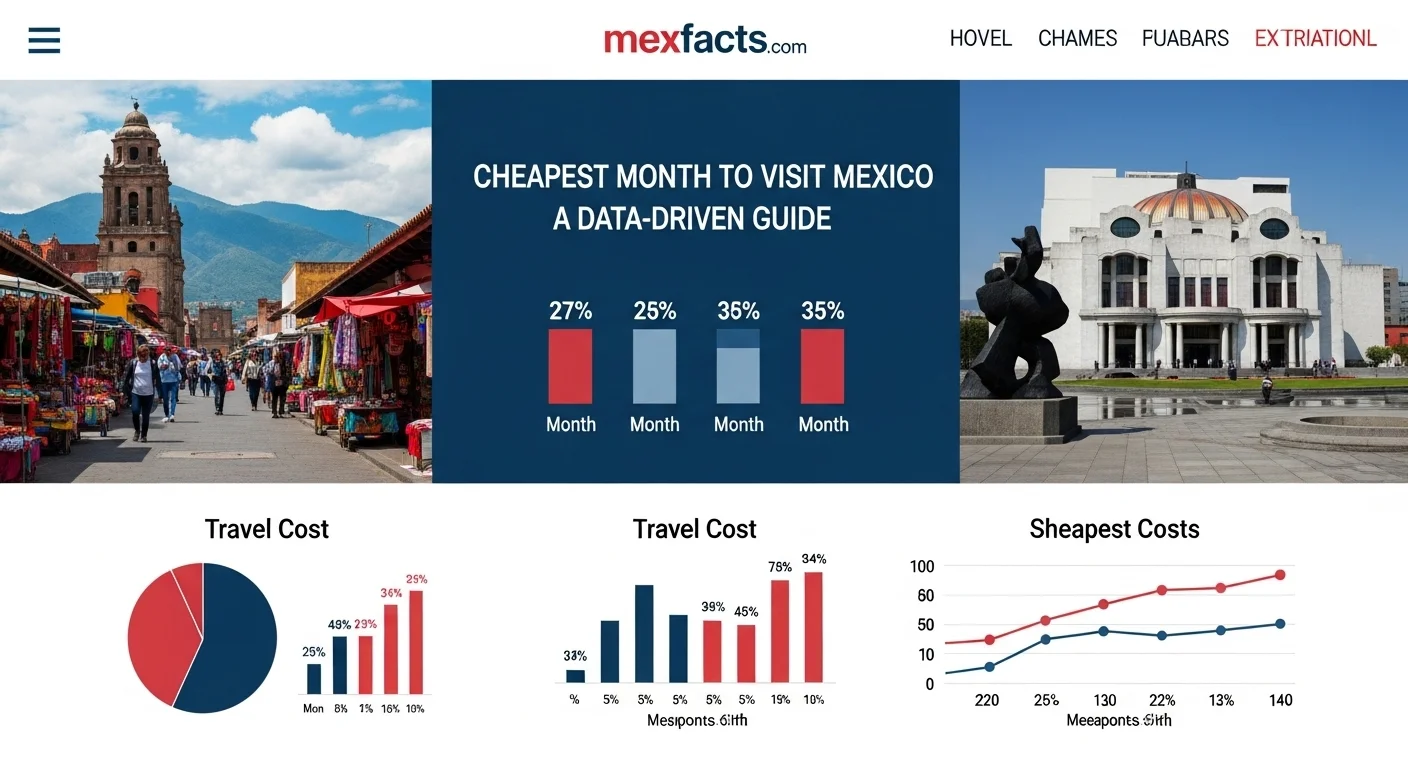
Dreaming of a trip to Mexico but watching your wallet? I get it. As someone who has traveled every corner of this beautiful country, let me tell you a secret: timing is everything. Choosing the right month to visit can save you a fortune on flights and hotels, leaving more in your pocket for tacos and adventures. We'll dive into Mexico's travel seasons, uncovering why the 'low season'—especially late summer and fall—offers the best bang for your buck. For hotspots like Cancún, this often means September and October. I'll share my personal experiences and data-backed tips to help you understand the rhythm of travel here, from weather patterns to the sargassum season. By the end of this guide, you'll know how to plan an affordable and incredible Mexican vacation that feels worlds away from the tourist crowds.
What's Inside This Guide
Why Travel Seasons Matter for Your Wallet
For anyone looking to experience the real Mexico—from international travelers to entrepreneurs—understanding the flow of tourism is key. The secret to an affordable trip lies in what we call the 'low season.' This is the time of year when the tourist crowds thin out, and as a result, the prices for flights, hotels, and even tours take a welcome dip. But it’s more than just saving money; visiting during these months offers a chance to see a more authentic side of Mexico, a pace of life that you just can't find during the busy peak season.
So, what drives these seasons? It's mainly a mix of weather and holidays. The high season, from mid-December to April, is when folks from North America and Europe flock to our shores to escape the winter cold. I’ve seen Cancún transform overnight in December! The weather is perfect, but this period also includes Christmas, New Year's, and Spring Break, which sends demand—and prices—skyrocketing. On the other hand, the low season generally runs from late spring through fall. This coincides with our rainy season (June to October) and the Atlantic hurricane season (peaking August to October). Because of this, fewer people travel, making months like September and October the most budget-friendly time to visit Mexico. Airlines and hotels offer incredible deals to fill their rooms, which is a huge win for savvy travelers.
A Deep Dive into Cancún: Finding the Best Deals
Let’s talk about Cancún, our most famous international playground. If you want to understand Mexican tourism pricing, Cancún tells the whole story. The question I hear most is, "When is the absolute cheapest time to go to Cancún?" The answer is consistently in the fall. The low season in Cancún stretches from May to November, but you'll find the absolute best deals on flights and hotels from September to November. I always tell my friends that September is the golden month for deals in the Caribbean. Why? It's the peak of the hurricane season and can be quite humid. For travelers who are a bit flexible and come prepared, this translates to amazing value. I’ve seen luxury hotels in the famous Hotel Zone slash their prices by more than half in September! This makes it the perfect time to experience those world-class beaches, ancient Mayan ruins, and vibrant nightlife without the high-season price tag. One thing to keep in mind is the sargassum seaweed, which can be present on the coast from April to August, though our resorts have gotten very good at managing it.
Beyond the Price Tag: The Real Value of Off-Season Travel
For international visitors, including investors and analysts, the importance of the low season goes much deeper than just a cheap vacation. Here’s why it truly matters:
- A More Authentic Connection: Honestly, the best part of traveling in the low season is the vibe. With fewer tourists, you have the space to breathe. Imagine exploring Chichén Itzá without a thousand people in your photo, or finding a quiet table at a local restaurant and actually chatting with the owner. You get to connect with local communities and experience daily life in a way that’s impossible in March. Plus, cities like Mexico City or Oaxaca have their own unique rhythm, with events like Día de los Muertos in November creating a different kind of peak season away from the beaches.
- Helping the Local Economy: Traveling during off-peak months helps distribute the economic benefits of tourism more evenly throughout the year for the people who live and work here. It eases the strain on our infrastructure and natural resources, leading to a healthier, more sustainable tourism model for everyone.
- Business Insights: For investors, watching how a destination performs in its 'worst' months is telling. A place that still draws visitors and maintains decent hotel occupancy, like Cancún often does, shows incredible strength and appeal. It's a sign of a very healthy market.
- Fresh Opportunities: The low season is when local businesses get creative. They might test new restaurant menus, offer unique wellness retreats, or create special packages for digital nomads. It's a time of innovation, and as a traveler, you often get to be the first to experience these cool new ideas.
In the end, knowing the cheapest time to visit Mexico is your ticket to a smarter and often more meaningful trip. Whether you're planning a family getaway or scouting business opportunities, understanding this seasonal flow is the first step to an unforgettable journey.
The Numbers Don't Lie: Data on Mexico's Cheapest Travel Months
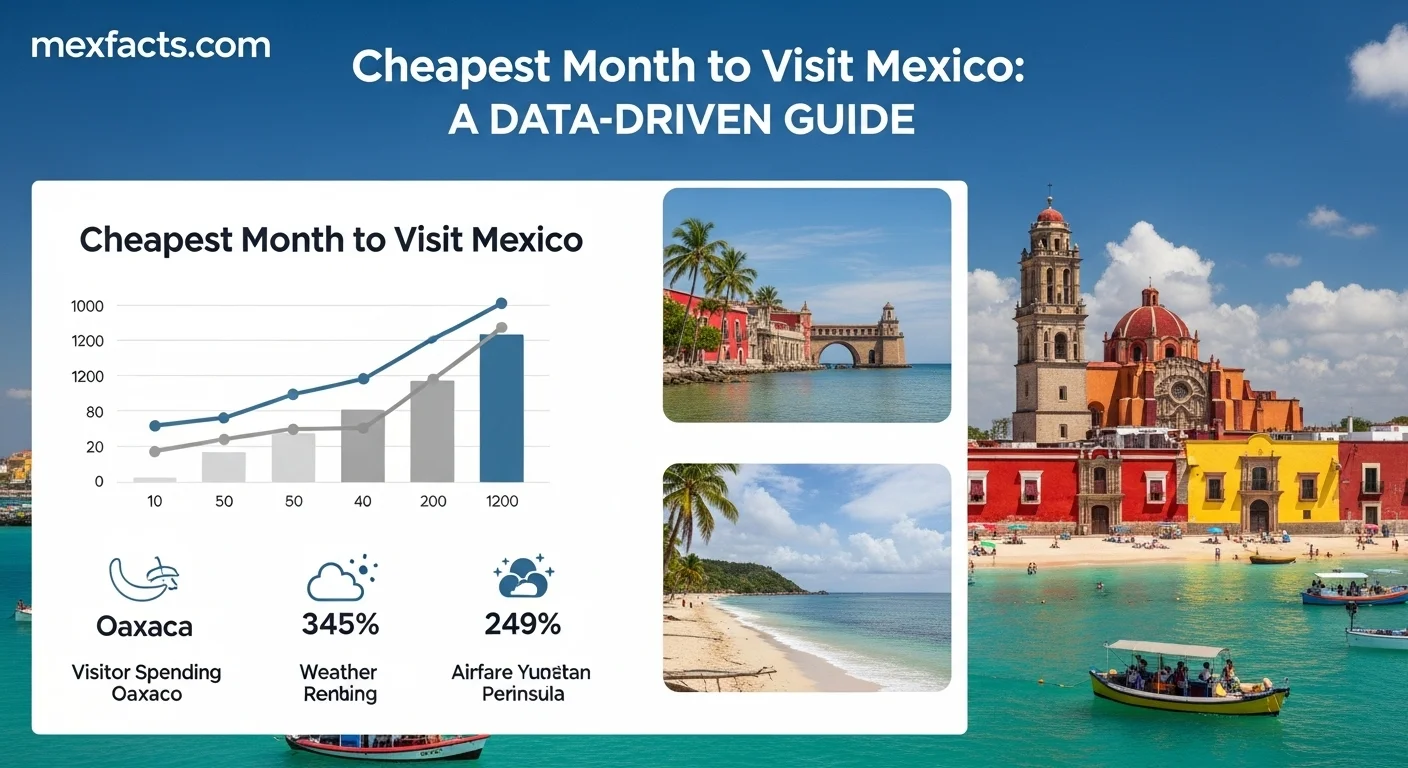
Let's dive into the data, because it paints a very clear picture for anyone trying to plan a trip to Mexico on a budget. The cost of a Mexican vacation can swing wildly depending on the time of year, and the numbers show that late summer and fall are consistently the most affordable times to visit. As someone who loves a good deal, I always pay attention to these trends.
On average, a trip to Mexico might cost around $131 per person per day, but that's just a yearly average. If you travel smart during the low season, you can do much better! The peak season, from December to April, is when we see a flood of visitors—nearly 4.8 million in December alone! This, of course, drives prices way up. In stark contrast, the low seasons—May-June and September-November—are the sweet spots. These are the months where you'll find the best deals and can truly stretch your travel budget.
Cancún by the Numbers: Pinpointing the Best Deals
Cancún is a perfect case study. If you ask, "what's the cheapest month to fly to Cancún?" the data points straight to the fall. Travel platforms consistently show September and October as the champions of low prices. For example, you might find a round-trip flight for around $318 in September, while that same ticket could easily top $600 in December or April. That's a huge difference!
Hotel prices follow the exact same pattern. I've seen data showing that hotels in Cancún's Hotel Zone can be up to 59% cheaper in September. Other analyses point to June as a great month for hotel deals, with average prices around $164 per night compared to a whopping $285 in April. The trend is undeniable: late spring to late fall offers incredible value. Here’s a simple breakdown from my experience:
- High Season (Mid-Dec to April): Expect the highest prices for everything. The beaches are packed, but the weather is glorious. Great for parties, not so great for your wallet.
- Shoulder Season (May, early June, November): This is my personal favorite. It's a wonderful compromise. Prices are lower, the weather is still beautiful, and the crowds are manageable. November, right after the rainy season and before the holiday rush, feels like a secret slice of paradise.
- Low Season (Late June to October): This is when you'll find the absolute rock-bottom prices. It's hotter, more humid, and it's hurricane season, which scares many people away. It's also when sargassum can be a factor on the Caribbean coast. But for the flexible traveler, the savings are phenomenal.
More Than Just Beaches: National Trends
While Cancún is a great example, it's important to remember that Mexico is a vast and diverse country. The patterns aren't the same everywhere. For example, the cheapest time to visit Mexico City is often September. It's the rainy season, but the city has a magical, misty charm, and you'll arrive before the massive crowds for the Day of the Dead celebrations. A trip to Oaxaca is busiest during its incredible Guelaguetza festival in July, so spring and fall are better for a more relaxed, affordable visit. The Pacific coast, home to gems like Puerto Vallarta and Los Cabos, has a slightly different weather calendar, which also affects its pricing.
Official tourism stats back all of this up. Mexico is more popular than ever, with tourism contributing significantly to our economy. But even with this growth, the monthly data always shows a dip in arrivals during the late summer and early fall. This is what creates the low-season discounts we've been talking about. So, whether you're planning a beach vacation or a cultural deep dive, a little data-driven planning can lead to big savings and a more personal, memorable trip.
The Future of Affordable Travel in Mexico: What to Expect
The world of travel is always changing, and Mexico is right at the heart of it. Looking ahead, the opportunities to find an affordable and amazing trip here are only going to grow. While the traditional low season—our late summer and fall—will likely stay the cheapest time to visit because of the weather, *how* we travel during these months is evolving in exciting ways.
New Ways to Travel in the Low Season
One of the biggest shifts I've seen is the rise of the 'work-from-anywhere' culture. Digital nomads aren't tied to a typical two-week vacation. For them, the cheapest month in Cancún isn't a risk; it's a smart move. They can settle in for a month or two, enjoy a lower cost of living, and truly immerse themselves in the culture. Mexico, with our welcoming spirit and great infrastructure, is becoming a top spot for this new kind of traveler, and you're seeing hotels and cafes adapt with long-stay deals and co-working spaces.
There's also a growing desire for more sustainable and authentic travel. More and more people are trying to avoid the 'overtourism' of peak season. They want to make a real connection, not just see the sights. Traveling during the cheapest months fits this perfectly. It puts less stress on our environment and communities, and it offers a more genuine experience. I love seeing businesses lean into this, marketing the unique joys of the low season—like special culinary tours focused on seasonal foods or serene wellness retreats that are perfect for a quiet, rainy afternoon.
Opportunities for Business and Investment
For the international business community, Mexico's tourism future is incredibly bright. Our market has proven to be strong and resilient. But success here means understanding the seasons. The real opportunities lie in creativity:
- Thinking Beyond the Beach: There's huge potential in developing services that shine during the low season. Think destination weddings with amazing off-season rates, specialized diving or archaeology tours that aren't dependent on perfect sunshine, or high-end wellness centers that offer a peaceful escape.
- Smart Tech: Technology is making it easier than ever to reach the right people. Businesses that use data to understand travel trends can create targeted promotions for the low season, sending the right deal to the right person at the right time. For travelers, this means tools like price alerts will become your best friend for booking 2-8 months in advance.
- Exploring New Frontiers: Massive infrastructure projects, like the Tren Maya, are opening up parts of Mexico that were once hard to reach. This creates exciting investment opportunities in new destinations that might have totally different seasonal patterns, helping to diversify our country's tourism offerings.
Challenges We Face Together
Of course, the future isn't without its challenges. Climate change is a real concern, potentially bringing more intense hurricane seasons. This means our tourism industry must continue to build resilient infrastructure and offer flexible booking options to give travelers peace of mind. The sargassum seaweed, linked to warming oceans, is another environmental hurdle we are constantly working to manage on our Caribbean coast.
And globally, things like inflation can always affect travel costs. Mexico must continue to offer great value to stay competitive. Our government and tourism boards are working hard to showcase the unique beauty of the low season and promote hidden gems across the country, so we're not just relying on a few famous hotspots.
Ultimately, the future for budget-savvy travel in Mexico looks fantastic. By embracing new travel styles and tackling challenges head-on, Mexico will continue to be a beloved year-round destination. The chance to discover the magic of our 'cheapest months' is an invitation to a richer, more rewarding travel experience for everyone involved.
Expert Reviews
The Peterson Family, Chicago ⭐⭐⭐⭐⭐
This guide was a lifesaver! We always thought a family trip to Cancún was out of our budget. We took a chance and went in late September based on this article's advice, and the savings were incredible. The weather was mostly beautiful, with just a few afternoon showers, and the beaches were so much less crowded. Thank you for the honest tips!
Sarah Chen, Entrepreneur ⭐⭐⭐⭐⭐
As someone who travels to Mexico for business and pleasure, I found this breakdown incredibly insightful. It goes beyond just 'September is cheap.' The analysis of why and the mention of regional differences helped me plan a research trip to Oaxaca during a much more pleasant and affordable time. Truly valuable information.