
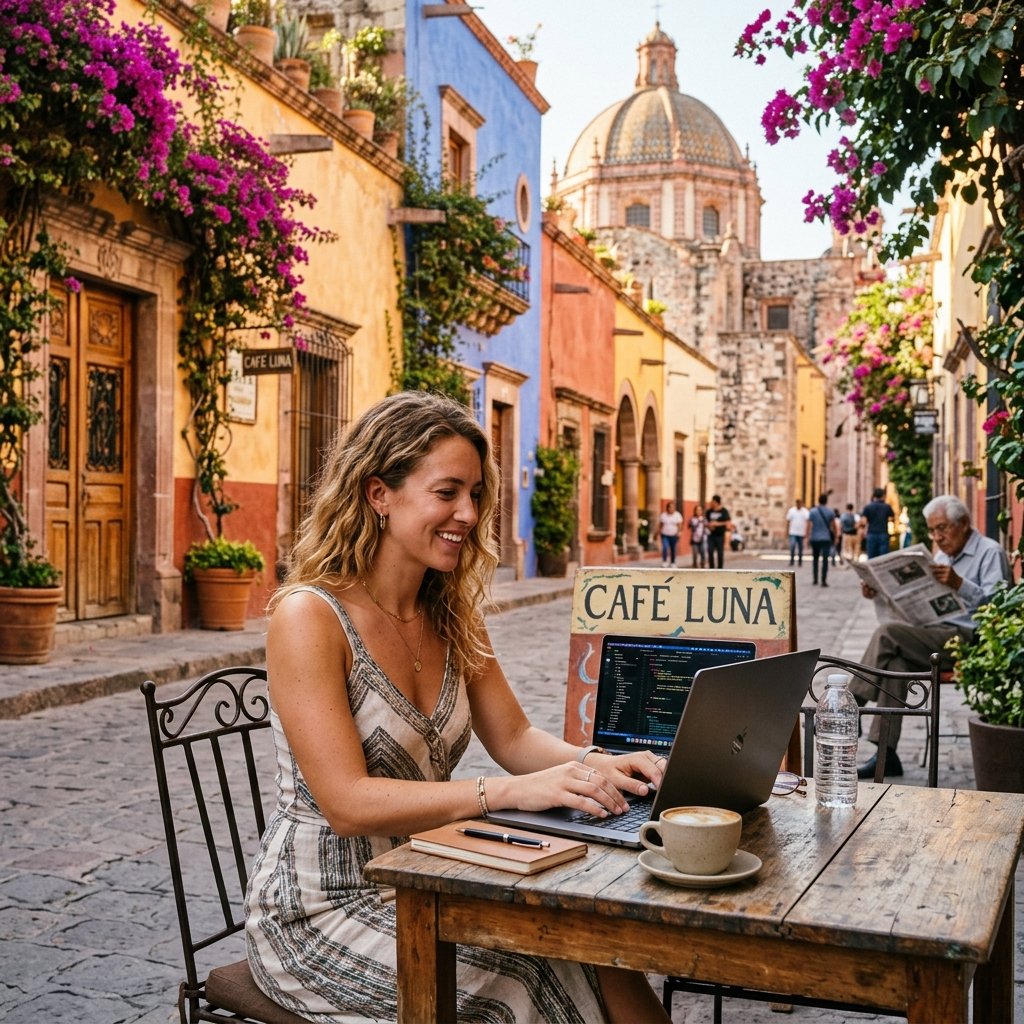
Cost of Living in Mexico City vs. Top US Cities: A Financial Comparison
Disclaimer: The information provided by MexFacts is for educational purposes only. Costs of living and tax burdens change rapidly based on exchange rates, SAT tax laws, and extreme gentrification trends in prime CDMX neighborhoods. Always consult with a licensed cross-border financial advisor.
Over the last five years, Mexico City (CDMX) has transitioned from a developing metropolis into a global hotspot for high-income digital nomads. Enticed by profound culinary scenes, stunning Art Deco architecture, and favorable time zones, foreign remote workers have flooded the capital.
However, the explosive popularity of specifically favored neighborhoods has created a massive economic distortion. The days of renting a luxury penthouse in Roma Norte for $800 a month are entirely gone. We at MexFacts must clarify the modern reality: living a high-end, cosmopolitan lifestyle in the absolute best sectors of CDMX is no longer "cheap"—but it still offers a staggering value proposition when directly compared to the brutal costs of major U.S. hubs.
In our experience analyzing global relocation metrics, the true advantage of moving to CDMX isn't necessarily slashing your budget to zero; it's about radically upgrading your quality of life while maintaining identical output. Here is the definitive 2025 financial comparison between Mexico City and the top US tech and cultural hubs.
The "CDMX Bubble": Where Your Money Goes
When North Americans speak of moving to Mexico City, they are generally referring to a hyper-specific, densely gentrified footprint. If you are comparing CDMX to Manhattan, you are likely looking at:
- Roma Norte & Condesa: The cultural epicenters. Packed with tree-lined avenues, elite cafes, and Michelin-star dining. Rent here is currently at an all-time high due to AirBnB speculation.
- Polanco: The Beverly Hills of Mexico City. Extremely safe, heavily policed, and heavily corporatized with luxury brands and high-end grocery stores.
- Juárez & Cuauhtémoc: Slightly more urban and edgy, but rapidly rising in price as overflow from Roma spills over Reforma Avenue.
While rent in these areas has skyrocketed, your structural monthly costs—specifically healthcare, domestic labor, and dining out—remain structurally suppressed compared to the United States. Just ensure you read our guide on How to Find Long-Term Rentals in Mexico so you avoid being gouged by "Gringo pricing."
The 2025 Financial Comparison Matrix
To provide a realistic baseline, we are comparing the cost of living for a single professional or couple seeking an upper-middle-class lifestyle. This assumes living in a highly desirable 1-bedroom or 2-bedroom apartment (e.g., Roma Norte vs. West Village NYC, vs. Downtown Austin).
| Expense Category | Mexico City (Prime Areas) | New York City (Manhattan/Brooklyn) | Los Angeles (Westside) | Austin, TX (Downtown) |
|---|---|---|---|---|
| Rent (Modern 1BR / 2BR) | $1,500 - $2,800 USD | $4,000 - $5,500 USD | $2,800 - $4,200 USD | $2,200 - $3,500 USD |
| Groceries (Monthly) | $300 - $500 USD | $600 - $900 USD | $500 - $800 USD | $450 - $700 USD |
| Dining Out (Mid-Tier, 2 People) | $35 - $60 USD | $100 - $150 USD | $80 - $130 USD | $75 - $120 USD |
| Utilities & Fiber Internet | $60 - $100 USD | $200 - $300 USD | $150 - $250 USD | $180 - $280 USD |
| Domestic Help (Maid 2x/Week) | $150 - $200 USD (Monthly) | $800 - $1,200 USD | $800 - $1,100 USD | $700 - $1,000 USD |
| Average Private Health Consult | $50 - $80 USD | $200 - $400 USD (Out of pocket) | $150 - $350 USD (Out of pocket) | $150 - $300 USD (Out of pocket) |
| Approx. Monthly Gross Total | $2,095 - $3,740 USD | $5,900 - $8,450 USD | $4,480 - $6,780 USD | $3,755 - $5,900 USD |
The Invisible Costs: INM Visas and SAT Taxes
While the spreadsheet above heavily favors Mexico City, a seasoned financial planner will highlight the bureaucratic and legal costs of a formal relocation.
You cannot legally live in CDMX forever on a tourist card. You must obtain a Temporary Resident visa via the INM (National Institute of Migration), which requires demonstrating significant monthly income or savings at a consulate in the US. Furthermore, if you spend more than 183 days a year in Mexico, you may accidentally trigger tax residency under the SAT (Mexican Tax Authority), subjecting your global income to Mexican taxation brackets which can be quite steep.
Many remote workers manage this by "geo-arbitraging"—spending less than 6 months a year in CDMX to avoid SAT thresholds—and rotating through other countries. If you plan to stay permanently, the tax implications must perfectly balance the savings on rent.
Is the CDMX Upgrade Worth It?
If you are struggling to pay $3,000 a month for a cramped studio in New York, transferring that exact same budget to Mexico City allows you to rent a gorgeous historic apartment, hire domestic help, dine out brilliantly five nights a week, and utilize elite private hospitals on demand. It is an immediate stratification of wealth.
If, however, you seek absolute budget-bottom cost of living, CDMX is no longer your best choice. We highly recommend exploring our breakdowns on alternatives like Merida Cost of Living or checking the Safest Cities in Mexico matrix for mid-tier urban environments like Querétaro.
Master Your Wealth Across Borders
Living aggressively in Mexico City while earning US Dollars requires perfect execution. From navigating international health insurance to legally acquiring real estate, get the uncompromising facts at the MexFacts Expat Relocation Hub.
Explore the Relocation Hub