
Coral Level: Inside Mexico's Exclusive 'Hotel Within a Hotel' Experience

Mexico's tourism is transforming. We're moving beyond the typical vacation to offer something truly special and exclusive. A perfect example of this is the 'Coral Level' concept—a premium, adults-only retreat that feels like a private hotel tucked inside a larger resort. I've seen this firsthand at the Coral Level at Iberostar Selection Cancún, and it’s a game-changer for international travelers who crave privacy, personal touches, and top-tier amenities. In this article, I'll walk you through what makes this concept a shining example of Mexico's new wave of luxury tourism. We'll explore how it beautifully merges our country's stunning natural landscapes and legendary hospitality to create something truly valuable. By looking at the details of the Iberostar experience, you'll understand the bigger picture of high-end travel in Mexico, backed by real data from the Caribbean coast, and see where the future is headed. This move toward exclusive experiences is a smart strategy to attract discerning visitors, create skilled jobs, and cement Mexico's place as a world leader in sophisticated travel.
What is Coral Level in Mexico and why is it important internationally?
In the world of travel, Mexico is a giant, beloved for our vibrant culture, deep history, and landscapes that take your breath away. But beyond the familiar all-inclusive, there's a quieter, more refined experience taking root: luxury tourism. At the heart of this evolution is the 'hotel within a hotel' concept. Having spent years exploring every corner of our tourism industry, I can tell you that the Coral Level at Iberostar Selection Cancún is a perfect embodiment of this trend. It’s more than just a fancy room; it’s a benchmark for what premium, adults-only travel in the Mexican Caribbean can be. When you understand this concept, you see the bigger picture of how Mexico is attracting sophisticated travelers from around the globe. The Iberostar Coral Level in Cancun isn't a room upgrade; it’s a completely different atmosphere. It’s an exclusive tower within the larger resort, reserved for adults. This creates a peaceful, elegant vibe, a world away from the lively, family-focused energy of the main hotel. The whole idea is built on making you feel special and secluded. Guests here get their own private check-in, making your arrival feel personal and smooth. I still remember the first time I saw one of their 156 oceanfront suites. Many have whirlpool tubs on the balcony, offering these incredible, wide-open views of the turquoise Caribbean Sea. The most exclusive suites even have a private rooftop pool. It’s pure magic.
Internationally, this matters because it's exactly what today's luxury traveler wants. People aren't just looking for lavishness anymore; they're searching for unique experiences. They value privacy and service that feels tailored just for them. It’s no surprise that extreme personalization is a huge trend in high-end travel. The Coral Level experience at Iberostar nails this. Imagine having your own private beach club with a concierge, relaxing on a Balinese daybed, or swimming in an an exclusive infinity pool. It’s this feeling of seclusion and attentive care that people remember. They’ve also curated the food and drink experience with a private restaurant that serves incredible breakfast and lunch buffets before becoming an intimate Italian spot for dinner. They even offer special activities like wine tastings and mixology classes. While Coral Level guests can explore all ten pools and the many restaurants of the main resort, the reverse isn't true. This simple rule maintains that wonderful sense of exclusivity. You get the intimacy of a boutique hotel with all the amazing amenities of a grand resort. From an economic standpoint, concepts like the Coral Level at Iberostar Selection Cancún are incredibly important. Luxury travelers spend more, which injects significant money into our local economies. Reports show that while Mexico welcomes millions, a luxury traveler might spend around $800 a day. These premium offerings are designed to attract that high-value market. They also create specialized jobs—from private concierges to gourmet chefs—which builds a highly skilled workforce in our hospitality industry. When global brands see the success of these luxury tiers, it encourages more investment in Mexico. It's a trend that's spreading from Cancún to Los Cabos and the Riviera Maya, proving that this model is a brilliant strategy for growth across the country. The Coral Level is more than just a hotel section; it’s a window into the future of Mexican tourism, showing how we’re blending our natural gifts with world-class service to compete on a global stage.
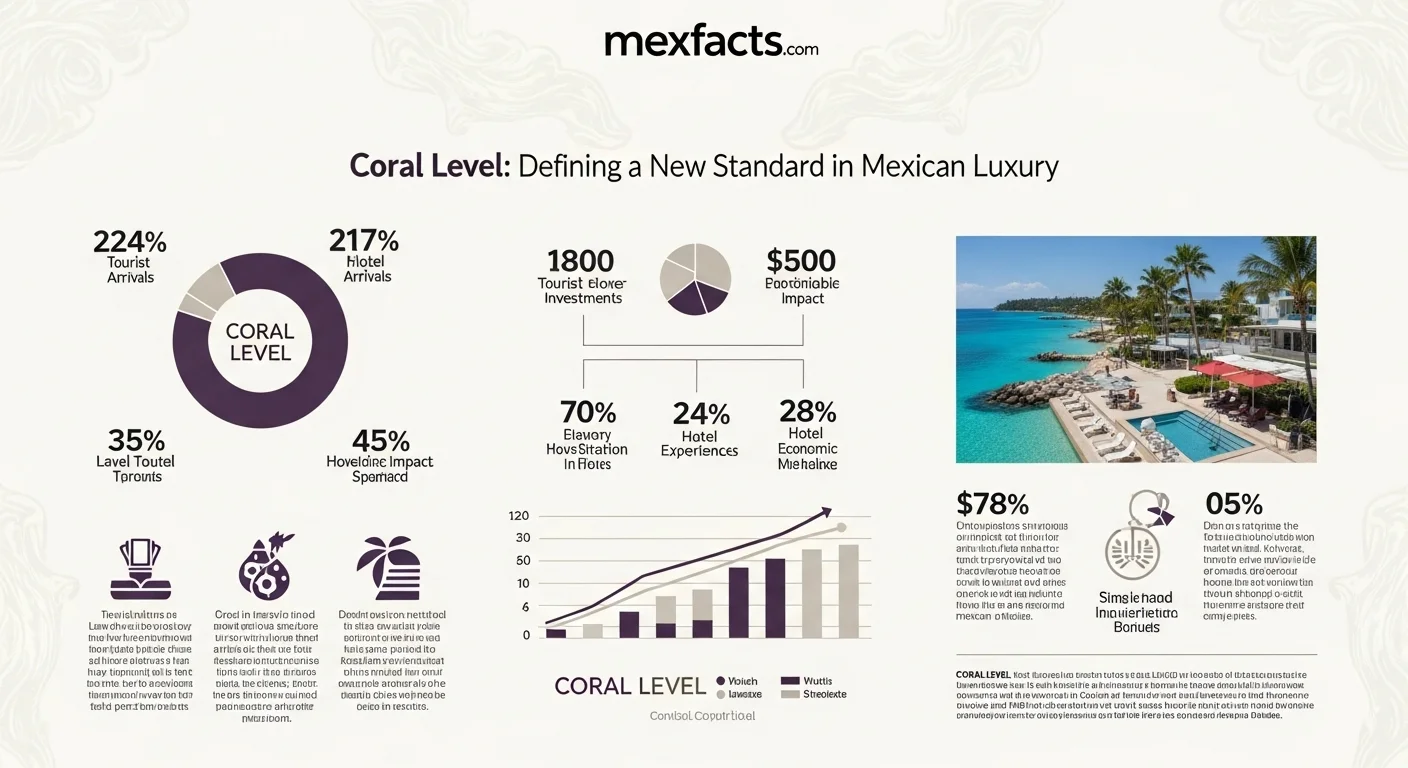
Current Statistics and Data about Coral Level in Mexico
While 'Coral Level' is an Iberostar brand, its success is a perfect reflection of the powerful tourism trends in Mexico, especially in Quintana Roo. The existence of premium options like the Coral Level at Iberostar Selection Cancún is a smart business decision based on clear data showing a demand for luxury and exclusivity. When you look at the numbers, you understand why these concepts are flourishing and why they're so important for our economy. Quintana Roo, the state where Cancún is located, is the undisputed king of Mexican tourism. In 2024, the region brought in over $20 billion and welcomed more than 21 million visitors. Think about that for a moment. This single state attracts over 44% of all international tourists coming to Mexico. This massive flow of people creates a diverse market, and within it, a growing number of travelers are happy to pay more for a better experience. The Iberostar Coral Level in Cancun is perfectly designed for this high-end demographic. Hotel occupancy in Cancún tells a similar story. In 2023, the average occupancy was a strong 75.6%, and during the high season of early 2024, it jumped to an incredible 94.3%. When demand is that high, it allows hotels to get creative. A resort can cater to the general market with its main facilities while offering a higher-priced, exclusive tier like the Iberostar Cancun Coral Level to maximize its revenue. It’s a win-win.
The growth in Mexico's luxury travel market is another key piece of the puzzle. The market was worth nearly $20 billion in 2023 and is expected to grow to over $32 billion by 2030. This growth is outpacing general tourism, which tells me that travelers' tastes are shifting. People are looking for adventure, amazing food, and wellness—all things that define the luxury segment. The Coral Level at Iberostar directly serves this trend with its exclusive dining, serene atmosphere, and focus on relaxation. The 'adults-only' aspect is also a very strategic move. I’ve talked to so many couples who are specifically looking for a quiet, sophisticated getaway, away from the wonderful chaos of family resorts. This market often has more disposable income and is eager to spend it on things like private dinners, spa days, and top-shelf drinks—all hallmarks of the Coral Level experience. The economic impact is immense. Tourism is the lifeblood of Quintana Roo’s economy and a major contributor to Mexico's national GDP. High-end resorts like this generate more tax revenue, support local suppliers of premium goods, and create better-paying jobs, creating a positive ripple effect throughout the community. Finally, the investment data speaks for itself. In 2023, over $1.4 billion in foreign direct investment poured into Quintana Roo, much of it for tourism. Big names like Marriott and Mandarin Oriental are expanding their luxury offerings here, which confirms that the 'hotel within a hotel' model is not just a one-off success but the future of Mexican hospitality. The data is clear: the market, the consumers, and the economy have created the perfect environment for premium concepts like Coral Level to thrive.
Future Outlook and Opportunities for Luxury Tourism in Mexico
Looking ahead, the future for Mexico's luxury tourism, as seen through concepts like the Coral Level at Iberostar Selection Cancún, is incredibly bright. The current success is a fantastic springboard, but staying on top will mean embracing new trends and thoughtfully navigating challenges. From my perspective, the outlook is overwhelmingly positive, fueled by a global desire for more meaningful travel. One of the biggest opportunities is to refine the 'hotel within a hotel' idea even further. As the Iberostar Coral Level in Cancun has shown, an exclusive, adults-only sanctuary is a winning formula. The next step is hyper-personalization. Imagine a hotel that knows your preferences before you even arrive—from the scent in your room to your favorite drink waiting in the minibar. Technology will help make this happen, turning a luxury stay into a deeply personal journey. Another huge area for growth is weaving in authentic wellness and sustainability. Today's luxury travelers are more conscious than ever. They care about their health and the planet. Iberostar is already leading the way with its 'Wave of Change' initiative, which focuses on sustainability. The future of places like the Iberostar Cancun Coral Level will involve deepening this commitment. I envision farm-to-table dining with ingredients from local organic farms, carbon-neutral stays, and wellness retreats that include mindfulness, yoga, and holistic health. By championing this kind of 'conscious luxury,' Mexican resorts can attract a growing global audience that wants their travels to align with their values.
There's also so much room to grow geographically. While Cancún is a well-established paradise, I'm excited about emerging gems like Bacalar, the coast of Oaxaca, and parts of Baja California. These places offer untouched beauty and rich, authentic culture. Introducing small-scale, eco-friendly luxury concepts in these areas could be magical for travelers seeking something off the beaten path. New infrastructure like the Tulum Airport and the Tren Maya will help open up these regions for thoughtful, high-end tourism. Of course, there are challenges to consider. In popular areas like the Riviera Maya, we need to be mindful of market saturation and innovate to stand out. Environmental issues are also front and center. I've seen the sargassum problem firsthand, and it's a real concern, along with protecting our precious coral reefs and cenotes. The long-term success of coastal resorts like the Coral Level at Iberostar Selection Cancún depends entirely on the health of the environment that makes them so special. Investing in sustainability isn't just a nice idea; it's a business necessity. Finally, we must continue to invest in our people. Delivering exceptional, personalized service requires a well-trained and happy team. Continuous training and good wages are key to maintaining the high standards of Mexican luxury hospitality. In the end, the future is full of promise. By turning challenges into opportunities for innovation, Mexico is set to strengthen its position as a world-leading destination for sophisticated and responsible luxury travel. Our ability to blend our rich heritage with a forward-thinking vision will continue to charm the world for years to come.
Expert Reviews
Laura from Chicago ⭐⭐⭐⭐⭐
My husband and I have been coming to Cancún for years, but our stay at a 'hotel within a hotel' was a game-changer. This article perfectly captures that feeling of having your own private paradise while still having access to everything. The privacy and personalized service are exactly as described. It truly is the next level of Mexican hospitality.
Daniel, a finance professional ⭐⭐⭐⭐
I was looking for data on tourism investment in Mexico, and this piece was surprisingly insightful. It connects the dots between a specific luxury concept like Coral Level and the broader economic trends in Quintana Roo. It’s well-written and gives a clear picture of the market's potential.
Sofia V., travel blogger ⭐⭐⭐⭐⭐
As someone who writes about unique travel experiences, I loved this breakdown. It explains *why* concepts like this are becoming so popular. It's not just about a fancy room; it's about the curated, exclusive experience. This article helped me articulate that for my own readers. Great insights!