
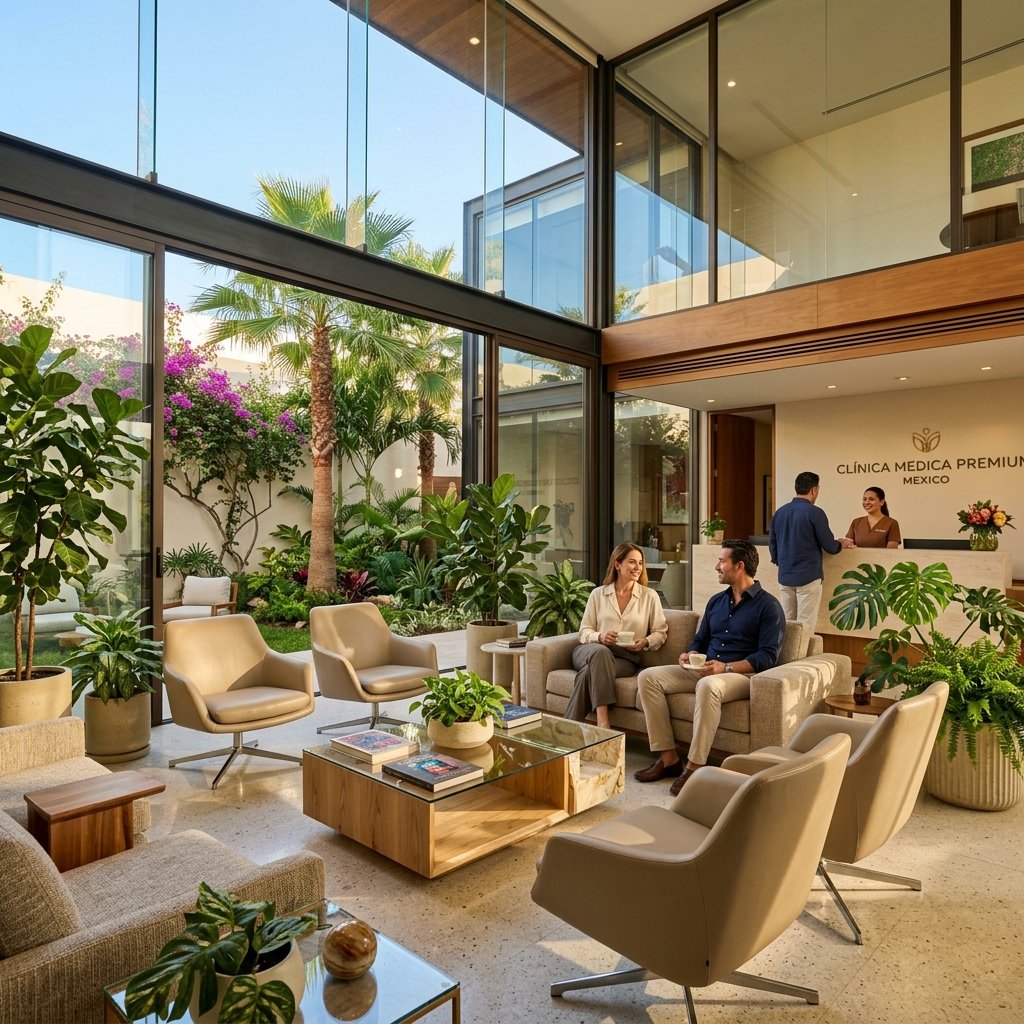
Cross-Border Healthcare: A Guide to Medical Tourism in Ciudad Juarez
Disclaimer: The information provided by MexFacts is for educational purposes only and does not constitute formal medical advice. Entering a foreign country for healthcare involves logistical and medical risks. Always consult with your primary care physician and diligently verify the credentials of border clinics before crossing.
When discussing the massive medical migration flowing south from the United States, Tijuana and Los Algodones usually dominate the headlines. Yet, sitting directly across the Rio Grande from El Paso, Texas, is Ciudad Juarez—a gritty, industrial powerhouse that has quietly transformed into one of the most efficient medical tourism corridors in North America.
Mexico officially holds the title as the world's second-most popular destination for medical tourism. The El Paso-Juarez border creates a unique, hyper-connected metropolitan area where two vastly different economic systems blend. Patients from Texas, New Mexico, and beyond walk or drive across the international bridges daily. They do this because, as we at MexFacts have consistently documented, patients typically save 40% to 60% on medical services compared to stateside costs.
In this guide, we break down why Ciudad Juarez is rapidly becoming a hotspot for dental care, vision correction, and specialized procedures, and how to navigate the border logistics seamlessly.
The El Paso / Ciudad Juarez Dynamic
What makes Ciudad Juarez highly appealing for medical tourists is the physical proximity. Unlike flying deep into the Mexican interior to Guadalajara, you can practically see the Juarez medical clinics from downtown El Paso. Many patients choose to park their vehicles securely on the Texas side of the border (often near the Paso del Norte International Bridge) and simply walk across.
Once across, a heavily concentrated "medical zone" begins immediately. This reduces the friction of travel and allows patients to maintain their accommodations in a familiar U.S. hotel if they prefer not to sleep in Mexico post-procedure.
Top Procedures in Ciudad Juarez
While Tijuana retains its crown as the massive hub for bariatric surgery, Ciudad Juarez excels in high-volume outpatient procedures.
Dental Care and Prosthetics
The dental infrastructure in Juarez is astonishingly robust. Clinics heavily cater to Americans, employing bilingual staff and utilizing U.S.-sourced materials. Whether you need a simple root canal or full-mouth reconstruction, the clinics here are highly competitive. If you are specifically researching major dental surgery, be sure to review our baseline data in The Complete Guide to Dental Implants in Mexico to understand what materials to ask for.
Ophthalmology and LASIK
Vision correction and cataract surgeries are exceptionally popular in Juarez. Leading eye clinics utilize advanced German excimer lasers equivalent to those used in high-end Texas clinics, but bypass the massive overhead costs associated with the U.S. healthcare system.
Pharmacy Tourism
Thousands of Americans cross into Juarez strictly for prescription medications. Drugs for blood pressure, diabetes (like insulin), and antibiotics can be purchased at a fraction of the U.S. cost, often without a prescription depending on the medication class.
Price Comparison: El Paso vs. Ciudad Juarez
The financial incentive to cross the bridge is staggering. The table below illustrates the typical out-of-pocket costs for uninsured or under-insured Americans crossing into Chihuahua.
| Procedure / Treatment | Average El Paso Cost | Average Ciudad Juarez Cost | Estimated Savings |
|---|---|---|---|
| Porcelain Dental Crown | $1,200 - $1,600 | $350 - $450 | ~ 75% |
| Root Canal Therapy | $1,000 - $1,400 | $250 - $350 | ~ 75% |
| LASIK Eye Surgery (Both Eyes) | $4,000 - $5,500 | $1,200 - $1,600 | ~ 70% |
| MRI Scan (Outpatient) | $1,500 - $2,500 | $250 - $400 | ~ 80% |
Logistics: The "Fast Pass" Medical Lane
The primary concern for any border traveler is the wait time returning to the United States. Driving back through U.S. Customs and Border Protection (CBP) can sometimes take two to three hours during peak times.
To combat this and aggressively promote medical tourism, Ciudad Juarez utilizes a "Medical Fast Pass" (Carril Médico) system. If you undergo a procedure at an authorized, registered clinic or hospital in Juarez, the administration will issue you a specialized QR code or physical pass. This pass grants you access to a dedicated lane at the border, routinely slashing border wait times down to 15 or 30 minutes.
Safety and Financial Planning
While the medical zone near the border bridges is heavily policed and generally safe during daylight hours, common sense travel precautions are mandatory. We advise against wandering into residential Juarez neighborhoods unguided.
Furthermore, managing finances gracefully is key to a low-stress trip. While many clinics accept U.S. dollars in cash, carrying large sums across a border crossing is risky. Be sure to coordinate your payment strategy using credit cards or specialized financing. Read our extensive breakdown in How to Safely Pay for Medical Tourism Procedures in Mexico to avoid having your accounts frozen by fraud algorithms at the intake desk.
Cross the Border with Confidence
Affordable, high-quality healthcare is closer than you think. Equip yourself with verified data by exploring the full MexFacts Medical Tourism Hub before scheduling your consultation in Mexico.
Explore the Medical Hub