
Mexico After Dark: Nightlife Culture, Night Safety, and Travel Guide
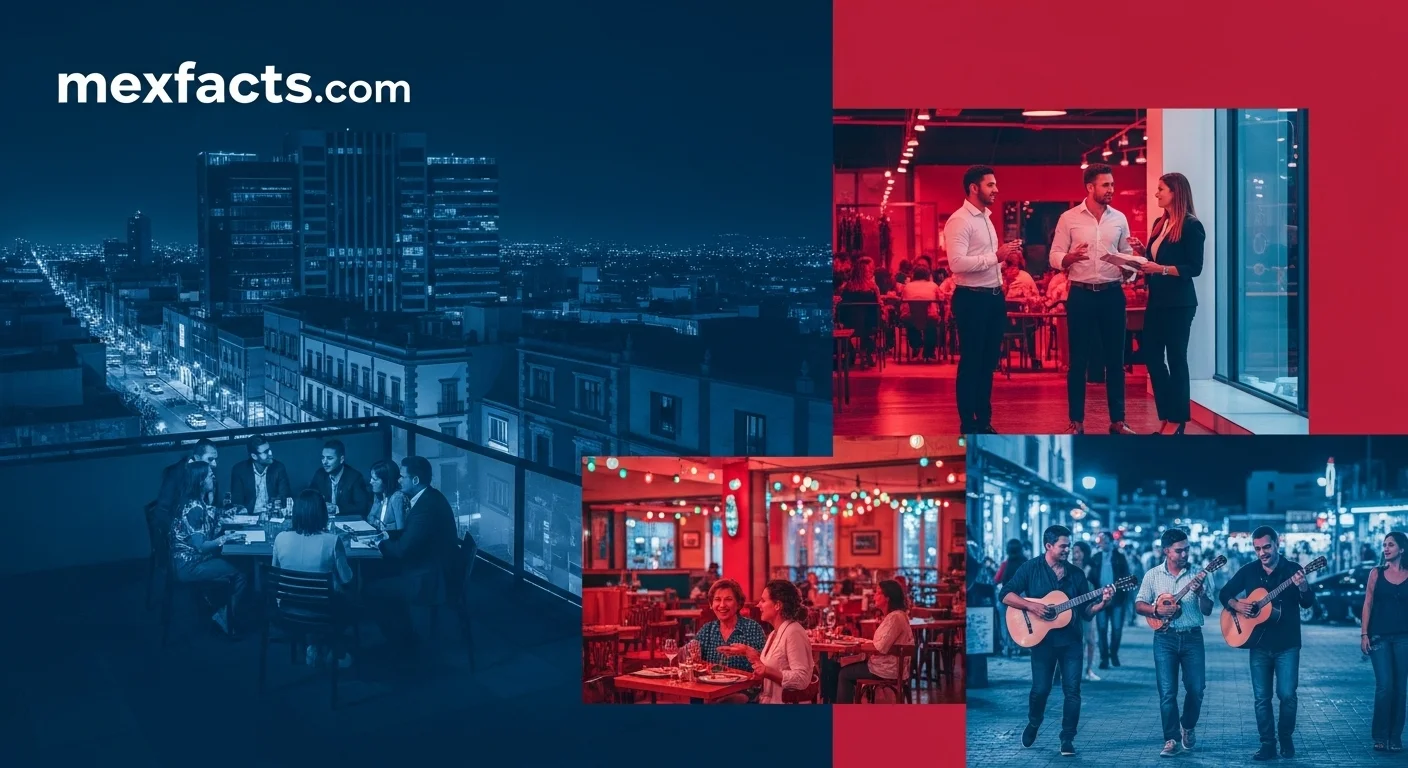
Mexico after dark offers two distinct realities: an energetic tapestry of late-night dining, music, and public social life alongside real safety considerations that require clear planning. Whether exploring historic plazas, world-class cocktail bars in Mexico City, or coastal nightlife hubs, enjoying the evening safely depends on geography, transport choices, and awareness. This comprehensive guide details neighborhood safety dynamics, the hazards of nighttime intercity driving, reliable urban transport protocols, and practical measures to experience Mexico's nocturnal culture responsibly and securely.
Table of Contents
- The Pulse of Mexican Nights: From Plazas to Nightclubs
- Safety After Dark: Urban Walking and Neighborhood Context
- Driving at Night in Mexico: Why Advisories Urge Caution
- Late-Night Transportation: Rideshares, Sitios, and Taxis
- Resort Entertainment vs. Independent City Exploration
- Essential Nightlife Safety Checklist for Travelers
- Frequently Asked Questions
The Pulse of Mexican Nights: From Plazas to Nightclubs
When the afternoon sun recedes, Mexican towns and cities transition into lively community hubs. Historic central squares (zócalos) fill with families, food carts offering warm esquites and churros, and strolling street musicians. In larger metropolitan centers like Mexico City, Guadalajara, and Monterrey, nightlife stretches from neighborhood mezcalerías and rooftop lounges to late-night taquerías serving tacos al pastor well into the early morning hours. In coastal resort corridors such as Cancun, Playa del Carmen, and Los Cabos, beachfront clubs and live performance venues operate until dawn.
Evening dining and entertainment form an integral pillar of Mexico's hospitality sector. Data from Mexico's National Institute of Statistics and Geography (INEGI) and the Ministry of Tourism (SECTUR) indicates that food, beverage, and nightlife services represent roughly 15% of total tourism GDP, underscoring the massive role evening leisure plays in the country's economic life. Yet, experiencing this side of Mexico requires understanding the distinction between local vibrancy and the legitimate safety risks present after dark.
Safety After Dark: Urban Walking and Neighborhood Context
Safety at night in Mexico is intensely local; conditions vary dramatically between municipalities and even between adjoining neighborhoods. In Mexico City (CDMX), for instance, tourist-frequented enclaves such as Roma Norte, Condesa, Polanco, Juárez, and the central plaza of Coyoacán feature substantial foot traffic, active street lighting, and regular municipal police patrols well past midnight. Walking between restaurants, theaters, and cafes in these districts is routine for both residents and visitors.
Conversely, walking through poorly illuminated side streets, deserted commercial corridors, or high-crime colonias—such as Tepito, Doctores, or peripheral suburbs—carries elevated risks of muggings and opportunistic robbery. Once retail shops shutter in the historic Centro Histórico, foot traffic drops sharply, making side streets ill-advised for solitary nighttime strolls.
Consular travel advisories from the U.S. Department of State, Global Affairs Canada, and the UK Foreign Office universally categorize Mexico on a state-by-state basis rather than applying a single blanket rating. Popular urban and resort centers like Mexico City, Quintana Roo, and Baja California Sur generally sit at Level 2 ("Exercise Increased Caution"), comparable to major European capitals, primarily due to non-violent petty theft and street crime. Solo visitors, particularly those exploring Mexico travel safety for women, should favor populated, well-lit thoroughfares, share live location tracking with trusted companions, and decline drinks from unverified sources.
Driving at Night in Mexico: Why Advisories Urge Caution
Both Mexican transportation authorities and foreign governments issue an unequivocal advisory against intercity highway driving after dark. While daylight road trips along major tourist corridors can be straightforward, highway hazards escalate significantly between dusk and dawn.
The hazards fall into two critical categories:
- Physical and infrastructural hazards: Many secondary roads lack reflective markers, overhead lighting, and protective guardrails. Severe potholes (baches) can crack wheel rims or destroy tires, stranding motorists in remote areas without cellular coverage. Speed bumps (topes) are ubiquitous across Mexican thoroughfares; while painted in urban centers, rural topes are often unmarked, creating severe collision hazards at highway speeds. Furthermore, free-roaming livestock (cattle, burros, and dogs) frequently wander onto warm asphalt at night, causing severe accidents. Broken-down freight trucks parked on shoulders without reflective triangles or functional taillights represent an additional fatal hazard.
- Security risks: Criminal activity on rural roadways—including bogus checkpoints, carjacking, and armed robbery—disproportionately occurs after dark on remote stretches. Free secondary roads (carreteras libres) pass through isolated towns and unmonitored mountain passes where roadside assistance is non-existent.
When highway travel cannot be avoided before evening, drivers should strictly utilize federal toll highways (autopistas de cuota). Toll roads feature wider lanes, superior asphalt quality, toll-gate monitoring, and regular patrols by the National Guard and the Ángeles Verdes (Green Angels), Mexico's roadside assistance corps. Even so, the safest practice is to plan daily driving itineraries so that you arrive at your destination before sunset.
Late-Night Transportation: Rideshares, Sitios, and Taxis
Navigating Mexican cities after nightfall requires deliberate transport planning. Street hailing should generally be avoided late at night in favor of verified transport modes:
- App-based ride-hailing: Services such as Uber, DiDi, and Cabify operate extensively across major cities like Mexico City, Guadalajara, Monterrey, and Puebla. They offer distinct safety advantages: GPS route tracking, driver identity verification, upfront electronic billing, and in-app trip sharing with contacts. Always verify that the driver's license plate, vehicle model, and photograph match the app before entering the vehicle.
- Taxis de sitio (Authorized taxi stands): In destinations where rideshare apps face local restrictions (such as parts of Cancun or Puerto Vallarta), travelers should use radio taxis dispatched by hotels or board at official "sitio" stands. These registered operators log departures and operate under established municipal fare structures.
- Unregistered street cabs (taxis libres): Hailing an unmetered taxi off the street outside nightclubs or bars exposes passengers to price gouging, card-skimming scams, and express robbery risks. If you do not have mobile internet access, request that your restaurant or hotel front desk call an authorized radio taxi on your behalf.
- Public transit limitations: The Mexico City Metro and Metrobús systems cease operations around midnight. While limited night bus networks (Nochebús) operate along primary corridors in the capital, app-based rideshares provide far greater reliability and personal security for nocturnal journeys.
Resort Entertainment vs. Independent City Exploration
All-inclusive resort enclaves in destinations like Cancun, the Riviera Maya, and Los Cabos offer self-contained nocturnal entertainment within private, monitored perimeters. Guests enjoy on-site restaurants, open-air bars, theatrical performances, and private beach lounges without having to navigate city traffic or unknown neighborhoods. Those deciding where to stay in Cancun often balance the safety and convenience of the Hotel Zone's gated properties with the culinary variety found downtown.
However, staying within a resort bubble does not eliminate all risks. Alcohol overconsumption can impair judgment, and secluded oceanfronts present severe environmental dangers. Pacific and Caribbean waters feature dangerous rip currents, and hotel beaches rarely post lifeguards after dusk; swimming in the ocean at night should strictly be avoided.
When venturing out of resort complexes into entertainment corridors like Cancun's Punta Cancun Party Center or the Cabo San Lucas marina, coordinate transportation in advance with your hotel concierge or pre-arranged private shuttle. Travelers exploring regional excursions should note Los Cabos resort packages or mainland tours that include vetted round-trip transport to minimize nocturnal travel risks.
Essential Nightlife Safety Checklist for Travelers
- Watch your drinks: Drink spiking can occur in crowded clubs and bars. Never leave your glass unattended, avoid accepting open drinks from strangers, and insist that bottled beer or wine be uncapped in your presence.
- Card payment vigilance: Card cloning remains a concern in busy bars. Always ask waitstaff to bring the portable terminal (terminal punto de venta) directly to your table, or pay at the cash register. Carrying a modest amount of cash in Mexican pesos for minor expenses prevents exposing multiple credit cards.
- Keep emergency numbers accessible: Save essential hotlines in your phone: 911 for emergency dispatch, 078 for the Ángeles Verdes (bilingual roadside assistance and mechanical support on federal highways), and your home country's consular emergency line.
- Moderate alcohol intake: Disorientation from intoxication is the leading contributing factor to theft, lost belongings, and personal safety incidents involving international visitors.
Frequently Asked Questions
- What time does nightlife typically start and end in Mexico?
- Evening dining starts around 8:00 PM to 9:00 PM. Bars and cocktail lounges become lively between 10:00 PM and midnight, while nightclubs (antros) rarely peak before 1:00 AM and often remain open until 4:00 AM or 5:00 AM. In smaller colonial towns, evening activity centers on public plazas from sunset until 10:00 PM before tapering off.
- Are public squares (zócalos) safe to visit at night?
- Yes, central zócalos in towns like Oaxaca, Puebla, Querétaro, and Mérida are family-friendly, well-lit, and active well into the evening. However, once vendors pack up and crowds thin out (usually around 10:30 PM to 11:00 PM), it is best to return to your accommodation via registered transport.
- What should I do if my rental car breaks down on the highway near sunset?
- If your vehicle experiences mechanical issues before dark, pull completely off the roadway onto the shoulder, engage hazard lights, and dial 078 for the Ángeles Verdes or call your rental agency's roadside assistance line. Stay inside the locked vehicle if on a desolate stretch of road until authorized assistance arrives.
Expert Reviews
Sarah P., First-Time Visitor ⭐⭐⭐⭐⭐
I was so nervous about traveling to Mexico City alone, especially about going out at night. This article gave me the confidence to explore neighborhoods like Condesa and Roma in the evening. The advice to use ride-sharing apps was a lifesaver. I felt completely safe and had the most amazing street tacos at 10 PM!
Carlos Mendoza, Entrepreneur ⭐⭐⭐⭐⭐
A fantastic and realistic overview. I'm looking to start a curated culinary tour business, and this breakdown of the 'nocturnal economy' and the growing demand for authentic experiences is exactly the market validation I was looking for. It goes beyond the generic tourist info.
Mark and Jenna T., Anniversary Trip ⭐⭐⭐⭐⭐
We booked a 3-night all-inclusive in the Riviera Maya, and this article helped us understand what to expect. It also gave us the courage to book one excursion outside the resort to a local restaurant for dinner. It was the highlight of our trip! Great, balanced perspective.