
Puerto Escondido, Oaxaca: Travel Guide, Living Costs & Real Estate Investment

When travelers and investors search for 'Escondido Mexico,' they are seeking Puerto Escondido on Oaxaca's Pacific coast—not the inland city in Southern California. Once a secluded coffee shipping port and backpacker haven, Puerto Escondido has evolved into a vibrant coastal hub renowned for world-class surfing, relaxed living, and expanding real estate opportunities. Whether you are exploring coastal properties, planning to visit in January during peak dry season, or evaluating residency options for travelers, expats, and investors, understanding the town's distinct beaches, modern infrastructure, and legal property frameworks is essential for making informed decisions.
Table of Contents
- Geography and Regional Character: Oaxaca's Pacific Gem
- Beach Guide: Surfing Dynamics, Swimming Safety, and Coastal Neighborhoods
- Getting There: The Barranca Larga Highway and Airport Connectivity
- Cost of Living: Monthly Budget and Everyday Expenses
- Real Estate Realities: Fideicomisos, Market Trends, and Communal Land
- Climate, Best Time to Visit, and Frequently Asked Questions
Geography and Regional Character: Oaxaca's Pacific Gem
Puerto Escondido sits along the southern Pacific coast of Mexico within the state of Oaxaca, roughly 800 kilometers (500 miles) southeast of Mexico City. Historically known as Bahía de la Escondida, the town originally functioned in the 1930s as a commercial port for transporting highland coffee cultivated in the Sierra Sur. Its modern identity emerged during the late 1960s with the construction of Federal Highway 200 (Carretera Costera), connecting it with Acapulco to the northwest and Huatulco to the southeast.
Unlike heavily planned resort destinations such as Cancún or the hotel corridors explored in our review of Cabo flight and hotel packages, Puerto Escondido developed organically. It blends indigenous Oaxacan traditions, an active fishing fleet, an international surfing community, and a growing population of remote professionals. The municipal landscape is split administratively between two distinct entities: the northern neighborhoods belong to San Pedro Mixtepec, while the southern areas fall under Santa María Colotepec. This administrative boundary plays an important role in local regulations, property administration, and municipal services.
Beach Guide: Surfing Dynamics, Swimming Safety, and Coastal Neighborhoods
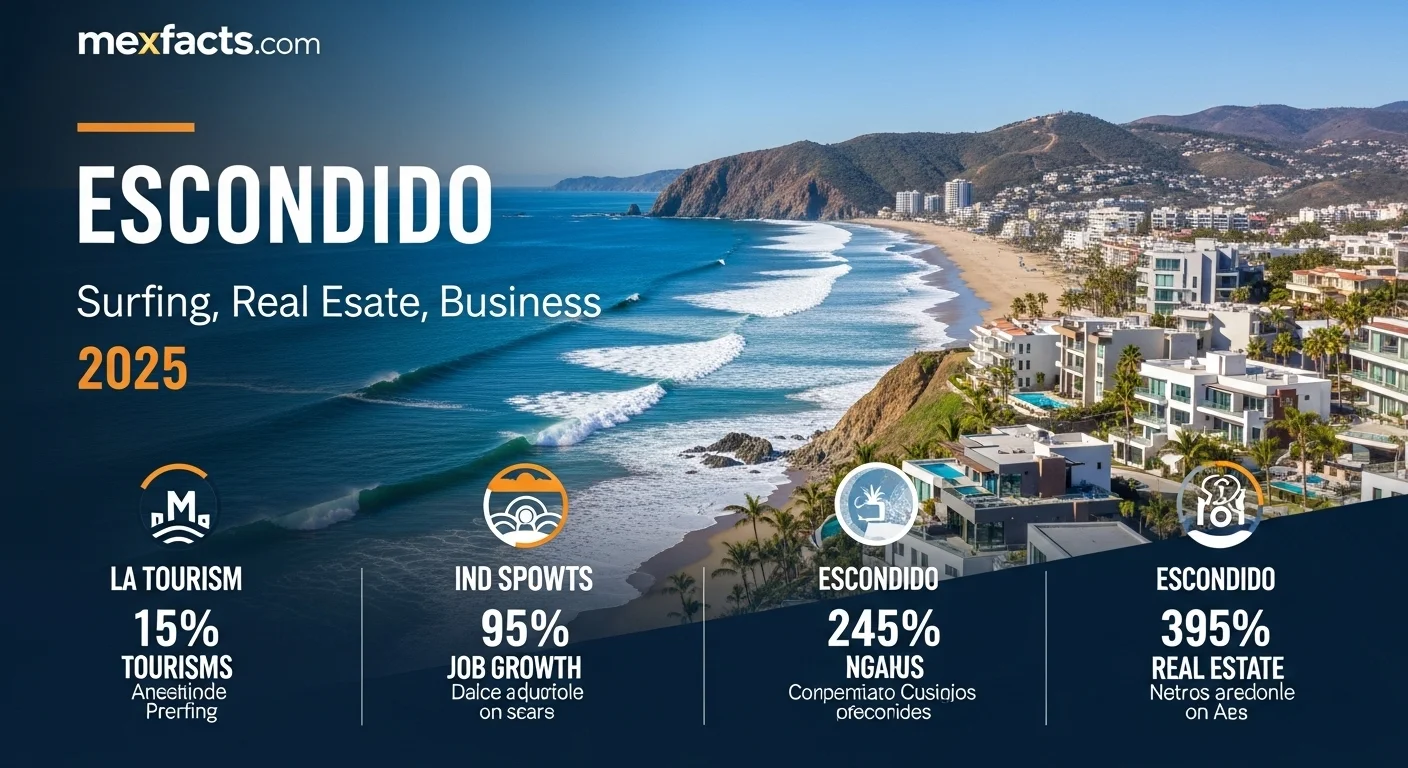
Each beach in Puerto Escondido serves a distinct purpose. Ocean conditions vary dramatically across a short coastal strip, meaning visitors and prospective residents must match their water skills to the appropriate bay.
Playa Zicatela: The Mexican Pipeline
Stretching over three kilometers with golden-gray sand, Zicatela is globally renowned for its heavy beach break, often called the 'Mexican Pipeline.' From May through October, massive South Pacific swells generate hollow, powerful barrels that host international surf contests. However, Zicatela is strictly for seasoned big-wave surfers. The shorebreak, powerful undertow, and intense rip currents make recreational swimming dangerous here. Red warning flags are common, and beachgoers should respect local lifeguards by enjoying the break from beachfront palapas rather than entering the surf.
La Punta de Zicatela
At the far southern tip of Zicatela lies La Punta, characterized by unpaved sandy lanes, open-air cafes, and a relaxed bohemian atmosphere. The left-hand point break here produces peeling waves favored by intermediate surfers and longboarders. While currents can still be brisk around the rocky point, the shoreline is a gathering spot for sunset viewing and casual dining.
Playa Carrizalillo
Tucked beneath high coastal bluffs, Playa Carrizalillo is a sheltered turquoise cove accessed via a well-maintained stone stairway of approximately 160 steps. Its calm, protected waters make it the premier destination in town for recreational swimming, snorkeling, and beginner surf lessons. Space on the beach is limited, making early arrivals advisable during peak tourist months.
Playa Puerto Angelito and Playa Manzanillo
Separated by a gentle rocky reef, these twin coves sit within a protected bay where local fishing panga boats anchor. With minimal wave action and shallow entry points, both beaches are well suited for families with small children, casual snorkeling, and fresh seafood lunches at seaside restaurants.
Playa Bacocho and Rinconada
Playa Bacocho offers a long, quiet expanse of beach flanked by palm trees and private beach clubs. While its shorebreak is generally too strong for swimming, it hosts daily sea turtle release initiatives organized by local conservation groups. Directly inland, the Rinconada neighborhood provides shaded boulevards, bakeries, international bistros, and a quiet residential environment. Travelers looking to explore further along the coast can plan easy day excursions south toward the clothing-optional shores of Zipolite Mexico or the eco-conscious sanctuaries of Mazunte Mexico.
Getting There: The Barranca Larga Highway and Airport Connectivity
Access to Puerto Escondido was historically constrained by the steep terrain of the Sierra Madre del Sur. Until recently, traveling overland between the state capital of Oaxaca de Juárez and Puerto Escondido required navigating Federal Highways 175 or 131—a winding trip taking between six and seven hours. The completion of the Barranca Larga–Ventanilla toll highway reduced driving time between Oaxaca City and the coast to roughly 2.5 to 3 hours. This modern infrastructure project dramatically simplified weekend travel, regional logistics, and domestic tourism.
For air travel, Puerto Escondido International Airport (PXM) handles daily commercial routes. Nonstop domestic flights connect the town with Mexico City (both AICM and AIFA), Guadalajara, and Monterrey through carriers such as Aeroméxico, VivaAerobus, and Volaris, alongside regional air taxis from Oaxaca City. Airport modernization and terminal expansion initiatives are designed to support higher passenger volumes and seasonal international transborder routes. Taxis and authorized private shuttles operate directly from the airport terminal, while public passenger vans ('colectivos') provide budget-friendly links along Highway 200.
Cost of Living: Monthly Budget and Everyday Expenses
While real estate demand has elevated rental costs in trendy sectors like La Punta and Rinconada, Puerto Escondido remains an affordable coastal base compared to major North American or European beach towns. A single person living comfortably can expect monthly expenses between $1,200 and $2,200 USD, while a couple generally spends $1,800 to $3,200 USD depending on housing standards and lifestyle choices.
- Rental Housing: A modest long-term one-bedroom apartment in traditional neighborhoods such as Centro, Lázaro Cárdenas, or Costa Chica ranges from 6,000 to 12,000 MXN ($350–$700 USD) monthly. In high-demand zones like La Punta, Rinconada, or Bacocho, contemporary apartments and ocean-view condos range from 18,000 to 35,000 MXN ($1,050–$2,050 USD).
- Utilities and Connectivity: Electricity through the state utility (CFE) varies substantially by air conditioning usage. Modest consumption without heavy cooling averages 400 to 800 MXN ($25–$45 USD) per bimonthly cycle, whereas high AC usage during hot months can elevate bills beyond 2,500 MXN ($150 USD) due to high-consumption tariff tiers (DAC). High-speed fiber-optic internet (Telmex Infinitum, Totalplay) is widely installed in central zones for 450 to 700 MXN ($26–$40 USD) monthly, with Starlink serving rural outskirts.
- Food and Dining: Fresh local ingredients are economical at Mercado Benito Juárez, where tropical fruit, Oaxacan cheeses, vegetables, and fresh Pacific fish cost far less than imported goods in supermarkets. A couple can buy groceries for 5,000 to 8,000 MXN ($290–$470 USD) monthly. Dining out ranges from 50 to 100 MXN ($3–$6 USD) for street tacos or tlayudas to 300 to 600 MXN ($18–$35 USD) per person at beachfront restaurants.
- Healthcare and Transportation: Basic consultations at neighborhood pharmacy clinics cost between 50 and 150 MXN ($3–$9 USD), while private specialist appointments in regional clinics run between 600 and 1,000 MXN ($35–$60 USD). For getting around, local colectivo trucks and shared taxis cost 10 to 20 MXN ($0.60–$1.20 USD) per ride, while long-term scooter rentals run approximately 3,500 to 5,000 MXN ($200–$290 USD) monthly.
These numbers align favorably when evaluating other expat centers, as explored in our guide to living in Guadalajara Mexico, while offering direct Pacific beach access.
Real Estate Realities: Fideicomisos, Market Trends, and Communal Land
Puerto Escondido's real estate sector has attracted strong interest from domestic and foreign buyers seeking vacation homes, rental income, or long-term retirement properties. However, purchasing coastal real estate in Oaxaca requires strict legal due diligence.
Under Article 27 of the Mexican Constitution, the 'Restricted Zone' encompasses all territory within 50 kilometers (31 miles) of the coast and 100 kilometers of international borders. Because Puerto Escondido sits entirely inside this boundary, foreign individuals cannot hold direct title to residential property. Instead, foreign buyers must purchase through a fideicomiso—a renewable 50-year bank trust held by an authorized Mexican financial institution—or through a Mexican corporation for commercial operations.
The most critical risk for property buyers in Oaxaca involves communal land tenure (bienes comunales) and agricultural land (ejidos). Substantial tracts in and around Puerto Escondido, particularly within Santa María Colotepec and peripheral sections of San Pedro Mixtepec, are communal holdings governed by local agrarian assemblies (comisariados de bienes comunales). Property on communal land is transferred via an 'acta de posesión' (possession certificate) rather than a clean, government-registered deed (escritura pública). Communal land cannot be placed into a bank trust (fideicomiso) and does not grant definitive private property ownership under civil law. Buyers should retain an independent real estate attorney to verify that any prospective property holds a valid escritura pública registered with the Public Registry of Property (Registro Público de la Propiedad) prior to disbursing funds.
Puerto Escondido has deliberately maintained an independent, low-density hospitality aesthetic rather than developing the high-density all-inclusive resort developments common on the Yucatán Peninsula. For business coverage on national infrastructure investments and hospitality trends across southern Mexico, platforms like Mexico Business News provide ongoing industry reports.
Climate, Best Time to Visit, and Frequently Asked Questions
Puerto Escondido features a tropical wet-and-dry climate with year-round average temperatures between 27°C and 32°C (81°F–90°F). Deciding when to visit depends primarily on your activities:
- Dry Season (November to April): Characterized by clear skies, warm ocean water, and negligible rainfall. This is the optimal period for swimming, family beach holidays, and exploring local nature reserves, though accommodations see peak pricing around Christmas, New Year, and Easter (Semana Santa).
- Rainy and Swell Season (May to October): Characterized by higher humidity, afternoon tropical downpours, and lush green vegetation. This is prime season for serious surfers, as southern swells generate the largest waves at Zicatela and La Punta, while lodging prices are lower.
Frequently Asked Questions
- Is Puerto Escondido safe for tourists and long-term residents?
- Puerto Escondido is considered one of the safer coastal communities in Mexico. Violent crime affecting tourists is uncommon. The primary safety concerns are ocean undercurrents at surf beaches, petty theft of unattended beach items, and occasional nighttime scooter accidents on unpaved roads. Standard travel precautions should be maintained.
- Can a foreigner safely buy real estate in Puerto Escondido?
- Yes, provided the land is private property with an established escritura pública. Foreign buyers acquire such property through a bank trust (fideicomiso). Foreigners must strictly avoid buying land documented only by an acta de posesión or communal certificates, as these do not confer private legal ownership.
- Which beach is best for swimming in Puerto Escondido?
- Playa Carrizalillo, Playa Puerto Angelito, and Playa Manzanillo are the safest beaches for swimming because their enclosed coves protect them from heavy Pacific swells. Playa Zicatela and Playa Bacocho are not recommended for recreational swimming due to strong undertows.
- How do you get from Oaxaca City to Puerto Escondido?
- Travelers can drive or take authorized shuttle vans via the Barranca Larga–Ventanilla toll highway in roughly 2.5 to 3 hours, or take a short 40-minute domestic regional flight between Oaxaca International Airport (OAX) and Puerto Escondido (PXM).
Expert Reviews
Emily R., Real Estate Investor ⭐⭐⭐⭐⭐
This guide was exactly what I needed. The insights on the new highway and airport expansion gave me the confidence to move forward with an investment in La Punta. The explanation of the 'fideicomiso' was the clearest I've found. Thank you!
Mark Chen, Digital Nomad ⭐⭐⭐⭐⭐
I've been living in Puerto for six months, and this article perfectly captures its essence. It's not just about the world-class surf at Zicatela; it's the lifestyle, the amazing food at the Mercado, and the welcoming community. The cost of living breakdown is spot-on.
Sofia Alvarez, Traveler from Mexico City ⭐⭐⭐⭐⭐
As someone who used to make the long drive from Oaxaca City, this article gets the future impact of the new highway right. It's an exciting time for the coast! I appreciated the focus on preserving the town's authentic character instead of promoting huge resorts.