
The Vegan Mexican Revolution: A Taste of Tradition and Future

The 'vegan Mexican' movement is so much more than a modern diet trend; it's a beautiful journey back to our culinary roots. For centuries, before the Spanish arrived, our diet was built upon the 'Three Sisters'—maize, beans, and squash—complemented by a rainbow of chilies, avocados, and amaranth. Today, a new generation is rediscovering this plant-based heritage, blending ancient wisdom with a modern desire for health and sustainability. This isn't about bland substitutions; it's about celebrating the incredible flavors our land has always offered. This article dives into this exciting transformation, exploring its deep historical roots and its incredible growth. We'll look at the numbers driving this market and uncover the opportunities for anyone passionate about food and culture. From bustling Mexico City taquerias serving mushroom 'al pastor' to fine-dining restaurants reimagining classic moles, the demand for authentic, plant-powered Mexican food is surging. Join me as we explore why Mexico is becoming a global leader in the future of plant-based cuisine.
Table of Contents
What is Vegan Mexican in Mexico and why is it important internationally?
When people ask me about vegan food in Mexico, I always smile. They often imagine it’s a new concept imported from abroad, but the truth is, it's a heartfelt return to our origins. Vegan Mexican cuisine is a celebration of Mexico's immense biodiversity. It’s not about taking things away from a dish; it's about showcasing the incredible ingredients that have been here all along. We're talking about the earthy, smoky flavor of huitlacoche (the corn fungus we call 'Mexican truffle'), the satisfying bite of nopales (cactus paddles), and the delicate perfume of flor de calabaza (squash blossoms). This is where the magic lies. Chefs and home cooks are getting creative, transforming traditions into something new yet deeply authentic. Think of the iconic 'tacos al pastor,' traditionally made with pork. I've had versions made with seasoned, layered mushrooms that were so savory and satisfying, they could fool the most devout meat-eater. Or a cochinita pibil, a dish from the Yucatán, where tender jackfruit soaks up the achiote and sour orange marinade perfectly. The innovation is boundless, breathing new life into everything from tamales and enchiladas to the most complex moles, which, by nature, can be a symphony of dozens of plant-based ingredients.
A Return to Ancestral Roots
This culinary rebirth is built on a foundation that is thousands of years old. Long before the Spanish introduced cattle and pigs, the diet of our Mesoamerican ancestors was almost entirely plant-based. The 'Three Sisters' of agriculture—maize, beans, and squash—were the cornerstone of life, a nutritionally perfect combination that sustained great civilizations. This core was enriched with a wealth of other native plants: amaranth, chia, avocados, tomatoes, and an amazing variety of chilies. Meat was a rarity, often reserved for sacred rituals or special celebrations. So, when we talk about the modern vegan Mexican food movement, it's less of a trend and more of an awakening of our ancestral memory, a conscious choice to eat the way our land intended.
The International Appeal
The global importance of this movement is huge. Mexican food is loved worldwide, and its vegan evolution taps directly into the massive international market for plant-based foods. As people everywhere look for healthier and more sustainable choices, the demand for high-quality, authentic vegan Mexican food is exploding. This opens up incredible export opportunities for Mexican products, from small-batch mole pastes to ready-to-eat meals. It also positions Mexico as a top destination for food tourism. It’s no surprise that people all over the world are now searching for 'vegan Mexican food near me'; they're craving a taste of this authentic, plant-powered revolution. Tourist destinations like Mexico City, Tulum, and Guadalajara have blossomed with world-class vegan restaurants, drawing in travelers who want experiences that align with their values.
The Importance of Details: Vegan Mexican Rice
A small but crucial detail in this world is vegan Mexican rice. So often, traditional Mexican rice ('arroz rojo') is made with chicken broth. A truly dedicated vegan Mexican restaurant understands this. When they take the care to prepare their rice with a rich, flavorful vegetable broth, it's a sign of their commitment. It tells me, as a diner, that they respect my choice and the integrity of the cuisine. It’s a small thing, but it shows that no part of the meal is an afterthought and that authentic flavor comes from care, not from animal products. In essence, vegan Mexican cuisine is where our vibrant history meets a conscious future. It's a flavorful, powerful response to a global shift in how we eat, proving to the world that plant-based food is not about sacrifice, but about delicious discovery.
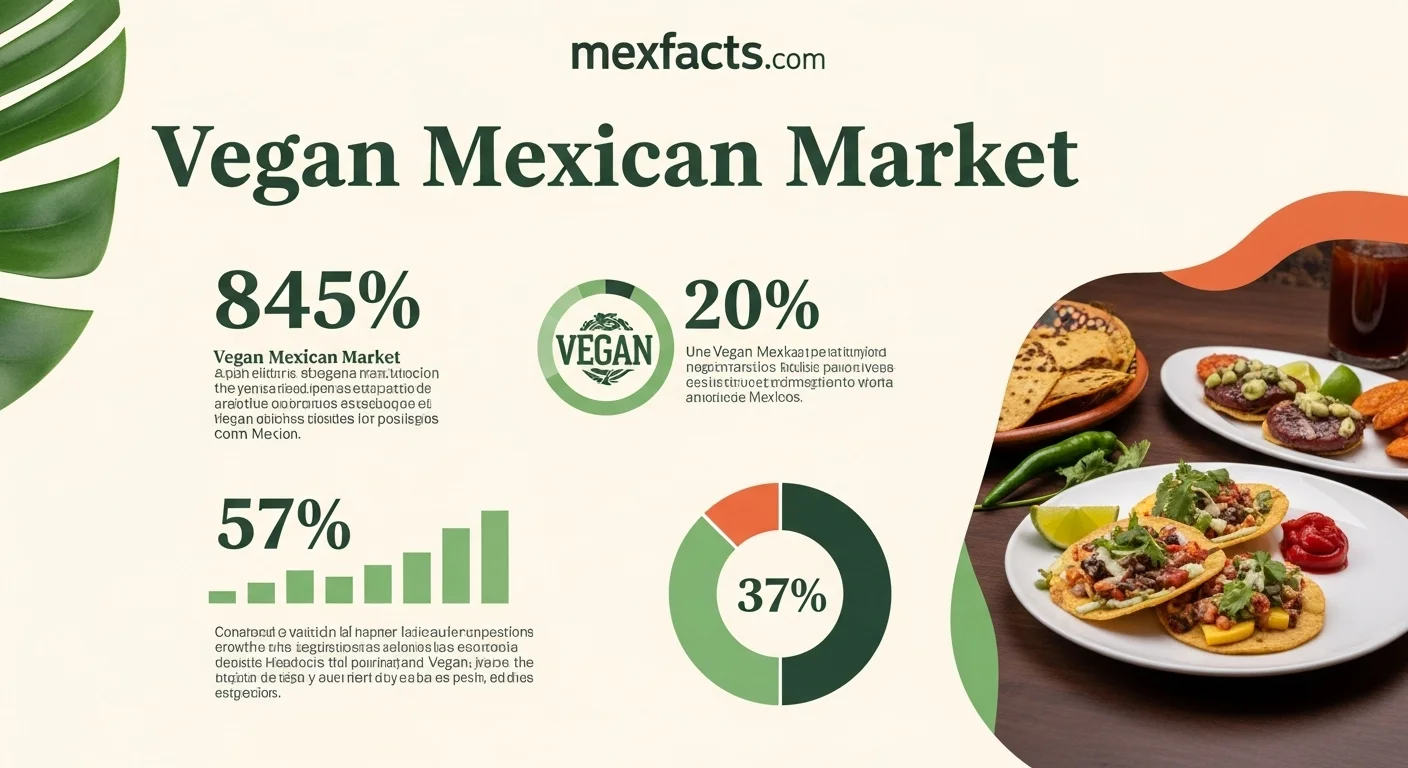
Current statistics and data about Vegan Mexican in Mexico
Let's talk numbers, because the story they tell is incredible. The rise of vegan Mexican food isn't just something you feel in the air; it's a powerful economic shift you can measure. For anyone looking at Mexico from an international business perspective, these statistics show a market that is not just growing, but thriving. Reports from firms like IMARC Group and Cognitive Market Research paint a very clear picture. The Mexican vegan food market was already worth hundreds of millions of dollars in 2024 and is projected to grow at a powerful rate, with some forecasts suggesting a compound annual growth rate (CAGR) of over 10% through the end of the decade. [1, 12] This isn't slow, steady growth; it's a dynamic expansion that outpaces many other food sectors. What's fueling this? A deep-seated desire for better health is a major factor. With public health concerns like diabetes and obesity, many Mexicans are turning to plant-based diets as a proactive way to live better. A diet rich in plants and lower in saturated fats just makes sense to a growing number of people. [1] But the heart of this movement is its people. While all ages are embracing it, it's the Millennials and Gen Z who are the real engines of change. They are globally connected, environmentally aware, and value ethical choices. For them, choosing a vegan Mexican food option is a statement about the kind of world they want to live in. It’s no wonder that some studies suggest a surprisingly high percentage of the population, up to 9%, now identifies as vegan, with an even larger number being flexitarian—people who consciously eat less meat. [24, 34] This makes Mexico a leader in plant-based eating in Latin America. When I walk through neighborhoods like Roma or Condesa in Mexico City, I feel these numbers. The city is the vibrant epicenter of it all, where a search for 'vegan Mexican food near me' gives you countless choices, from street carts serving incredible mushroom tacos to elegant restaurants pushing the boundaries of gourmet cuisine. [7, 43] But it’s not just the capital. Tourist hubs like Tulum and Playa del Carmen, and major cities like Guadalajara, have developed their own fantastic vegan scenes. The explosion of dedicated vegan eateries is a clear sign of a mature market. Apps like HappyCow list thousands of vegan-friendly spots in Mexico, and that number climbs every year. [24] Each new vegan Mexican restaurant that opens creates a ripple effect, making it easier and more appealing for people to try plant-based options, which in turn fuels more demand. The market for packaged goods is also booming. We're seeing amazing innovation in plant-based versions of our beloved cheeses like queso fresco and Oaxaca, and even our chorizo. Even something as fundamental as our rice is getting a makeover. More and more brands and restaurants are now proudly offering vegan Mexican rice, cooked in vegetable broth. This attention to detail shows a deep understanding of the truly vegan consumer. The economic ripple effect is creating jobs across the board—in agriculture, food production, and hospitality. It’s a testament to the fact that the vegan Mexican food industry is not just a niche but a powerful and positive force reshaping our nation's food culture and economy.
Future outlook and opportunities regarding Vegan Mexican in Mexico
So, what’s next for vegan Mexican food? Looking ahead, the future is as rich and complex as a well-made mole. The trends driving this movement—health, ethics, and sustainability—are here to stay, guaranteeing a strong foundation for long-term growth. For international businesses and investors, this landscape is brimming with opportunities. A major frontier is food technology. While we've mastered many plant-based meat recreations, the quest for the perfect vegan cheese continues. Imagine a meltable, stringy quesillo made from cashews that makes an incredible quesadilla, or a crumbly, salty Cotija to sprinkle over elotes. The first company to truly nail this will have a massive success on their hands. Likewise, creating plant-based seafood that captures the fresh, citrusy magic of a coastal ceviche is another exciting challenge. Investment in this kind of food science, using Mexico's own amazing ingredients, could lead to revolutionary products. The market for packaged goods will also continue to soar. As more people become flexitarian, they'll want convenient vegan options at home. Think high-quality frozen enchiladas, tamales, or even a simple, authentic vegan Mexican rice mix that saves time without sacrificing flavor. These products have enormous potential both here in Mexico and for export. Geographically, the movement is expanding. The demand for a great vegan Mexican restaurant is moving beyond the big cities. This opens up opportunities for franchising successful concepts or creating new, accessible chains that bring high-quality vegan tacos and bowls to new communities. Culinary tourism will also be a huge driver. We can cement Mexico's reputation as the world's best vegan travel destination by promoting not just our restaurants, but also vegan cooking classes and food tours that celebrate our agricultural heritage. Of course, there are challenges. For many, meat is tied to culture and celebration. I know this from my own family! Convincing my uncle that mushroom barbacoa can be just as festive as the traditional kind takes time, and a really, really good taco. [27] Price is another hurdle. Making plant-based alternatives as affordable as their meat counterparts is key for reaching everyone. This will come with scale and by focusing on local supply chains. Despite these hurdles, the opportunities are far greater. The movement is evolving from a trend into an integral part of our modern culinary identity. It's a powerful story of a country looking to the future while honoring its ancient past. Mexico is not just participating in the plant-based revolution; with our rich history and incredible biodiversity, we are perfectly positioned to lead it.
Expert Reviews
Chloe, from Toronto ⭐⭐⭐⭐⭐
I traveled to Mexico City expecting to struggle as a vegan, but I was completely blown away! I had the most incredible tacos al pastor made from mushrooms and amazing sauces everywhere I went. This article perfectly explains the vibrant, delicious scene I discovered. It truly is a revolution!
Ricardo Morales, Entrepreneur ⭐⭐⭐⭐⭐
As someone looking to invest in the food industry, this article was invaluable. It goes beyond the numbers and explains the cultural significance of the vegan movement in Mexico, which is key to understanding the market's real potential. The insights on regional veganism and product opportunities were particularly useful.
Elena García, Mexico City resident ⭐⭐⭐⭐⭐
Growing up, 'vegan' wasn't really a word we used. But this article is so right; we are returning to the food of our grandmothers—nopalitos, flor de calabaza, rich bean stews. It's beautiful to see our ancient ingredients celebrated this way and shared with the world. This makes me feel proud.