
Tijuana Mexico Travel Guide: Safety, Border Crossings, and Key Neighborhoods
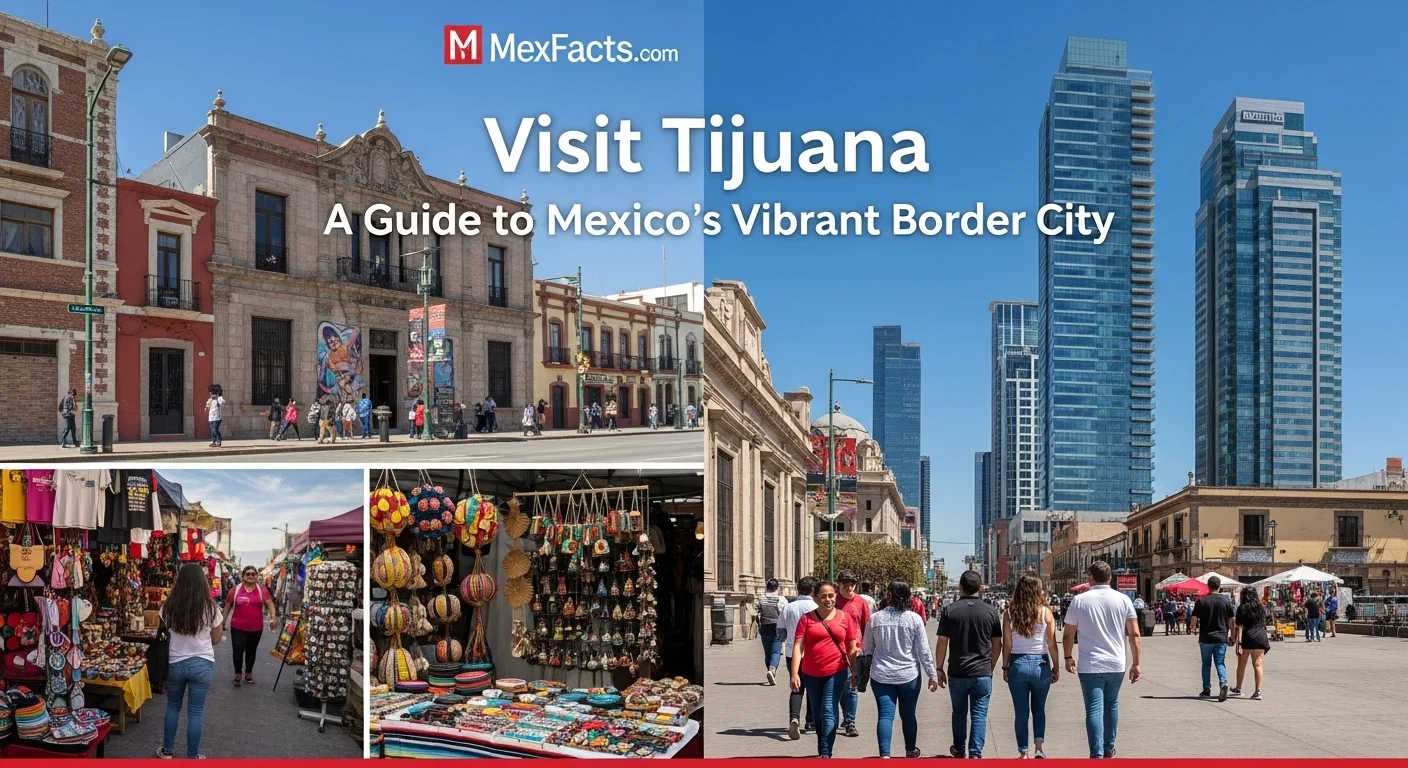
Tijuana has evolved far beyond its historical stereotype as a transient border outpost. Today, the city stands as Baja California's primary economic engine, an internationally celebrated culinary center, and a global hub for specialized healthcare, situated directly adjacent to San Diego within the shared Cali-Baja mega-region. Navigating Tijuana successfully requires clear distinctions between its active commercial corridors and outlying suburban zones, realistic knowledge of pedestrian and vehicular border crossings, and an objective understanding of regional safety realities. This comprehensive guide details neighborhood geography, border transit protocols, safety considerations, and cultural highlights for independent travelers and cross-border visitors.
Understanding Modern Tijuana: Key Districts and Geography
Table of Contents
- Tijuana Neighborhood Overview: Where Visitors Spend Time
- Culinary Innovation and Cultural Landmarks
- Safety in Tijuana: Objective Risk Assessment
- Border Crossings and Transit Logistics
- Medical Tourism: Standards and Due Diligence
- Frequently Asked Questions
Tijuana is the largest city in Baja California and one of the most prominent manufacturing, medical, and cultural epicenters across Mexico. Its urban footprint sprawls across hills and valleys along the international border, yet visitor activity remains concentrated within several well-defined districts characterized by walkable corridors, business hotels, and dedicated municipal policing.
Tijuana Neighborhood Overview: Where Visitors Spend Time
Understanding Tijuana starts with distinguishing its central tourist and commercial corridors from outlying industrial and residential districts:
- Zona Centro (Downtown & Avenida Revolución): Historically the epicenter of border tourism, Avenida Revolución has undergone substantial revitalization. Once lined primarily with souvenir stalls and discount bars, it now features boutique craft breweries, specialty coffee shops, contemporary galleries inside historic arcades (such as Pasaje Rodríguez and Pasaje Gómez), and celebrated dining rooms.
- Zona Río: The city's primary financial and corporate district. Characterized by wide boulevards, landscaped roundabouts (glorietas), upscale hotels, banks, and modern shopping centers like Plaza Río, this neighborhood is also home to major medical centers and corporate towers.
- Playas de Tijuana: Situated directly on the Pacific coastline at the westernmost terminus of the international border wall. Playas offers an oceanfront boardwalk (malecón), casual seafood restaurants, coffee bars, and a relaxed residential atmosphere significantly removed from the bustle of the border gates.
- Zona Gastronómica (Colonia Cacho & Chapultepec): Wealthy residential and commercial areas favored by locals for upscale international dining, modern bistros, independent wine bars, and design boutiques.
Culinary Innovation and Cultural Landmarks
Tijuana's modern cultural landscape is anchored by world-class gastronomy and prominent public cultural infrastructure:
- Baja Med Cuisine: Developed in the early 2000s by chefs such as Miguel Ángel Guerrero and later popularized across international kitchens by culinary innovators like Javier Plascencia, Baja Med fuses regional Mexican ingredients (Pacific seafood, dried chiles) with Mediterranean staples (olive oil, fresh herbs from the nearby Valle de Guadalupe) and subtle Asian techniques. Notable dining venues include Misión 19 in Zona Río and Telefónica Gastro Park, an upscale collective of artisanal food trailers and micro-kitchens.
- Hotel Caesar's & Culinary Heritage: The Caesar Salad was created on Avenida Revolución in 1924 by Italian immigrant restaurateur Caesar Cardini. The original Caesar's Restaurant continues to prepare the classic tableside salad using its original recipe and dressing techniques.
- Craft Brewing: Tijuana is recognized as a leader of Mexico's independent brewing movement. Award-winning craft breweries such as Cervecería Insurgente, Border Psycho, and Mamut maintain taprooms across Zona Centro and Zona Río.
- Centro Cultural Tijuana (CECUT): Opened in 1982, CECUT serves as the cultural heart of the border region. Recognizable by its spherical IMAX dome known as "La Bola," the complex houses the Museum of the Californias, rotating contemporary art exhibitions, botanical gardens, and an open-air theater host to seasonal festivals and symphonic performances.
Safety in Tijuana: Objective Risk Assessment
Safety is the primary consideration for travelers evaluating a trip to Tijuana. Navigating the city safely requires separating sensational headlines from the empirical reality on the ground.
Contextualizing Crime Statistics
Official security reporting, including advisories from the U.S. Department of State, notes elevated homicide rates in the municipality of Tijuana, driven primarily by localized disputes between organized criminal groups operating illicit supply corridors. Crucially, official government advisories consistently emphasize that violent incidents are overwhelmingly targeted and concentrated in peripheral neighborhoods far removed from the commercial and tourist sectors.
For international visitors, corporate professionals, and medical patients remaining within established zones—such as Zona Río, Avenida Revolución, Colonia Cacho, and Playas de Tijuana—the statistical likelihood of encountering violent crime is very low. The primary concerns in tourist zones are opportunistic property offenses, including pickpocketing, vehicle break-ins, or overcharging by unauthorized transit operators. When evaluating regional travel across Baja California, visitors often compare conditions to determine if is Mexicali safe or if other municipal border corridors present different risk profiles.
Practical Safety Protocols
- Stay within established zones: Keep your movements centered in Zona Río, Zona Centro, Colonia Cacho, and Playas de Tijuana, avoiding unfamiliar peripheral colonias, particularly after dark.
- Transportation choices: Avoid hailing unmetered street taxis. Instead, rely on established rideshare applications (Uber operates widely and reliably throughout Tijuana) or authorized "sitio" taxi stands located outside international border terminals and major hotels.
- Discretion with valuables: Practice standard urban situational awareness by leaving expensive watches and prominent jewelry behind and keeping mobile phones secure in crowded pedestrian markets.
- Nighttime mobility: While nightlife on Avenida Revolución and Calle Sexta is bustling, walk only along main illuminated streets and arrange direct vehicle transit when moving between distinct neighborhoods at night. Solo travelers should review tailored resources on safety, such as dedicated tips for female travelers in Mexico.
Border Crossings and Transit Logistics
Tijuana borders San Diego County, forming the most frequently crossed land border in the Western Hemisphere. Managing transit smoothly depends entirely on choosing the right port of entry and understanding inspection protocols on both sides of the boundary.
Primary Ports of Entry
- San Ysidro Port of Entry: The principal crossing linking Interstate 5 and Interstate 805 in San Diego directly to Zona Centro and Zona Río. It features massive pedestrian lanes (PedEast and PedWest) as well as vehicle lanes divided into General, Ready Lane (for RFID-enabled identity cards), and SENTRI/Global Entry lanes.
- Otay Mesa Port of Entry: Located approximately 8 miles east of San Ysidro, Otay Mesa handles significant commercial cargo and passenger vehicle traffic, making it a valuable alternative for travelers destined for Tijuana's eastern industrial centers or regional airport areas.
- Cross Border Xpress (CBX): An enclosed, dedicated pedestrian bridge connecting an air terminal in Otay Mesa, San Diego, directly into the secure departures area of Tijuana International Airport (TIJ). CBX is exclusively available to ticketed airline passengers flying within Mexico or to Latin American destinations, bypassing all standard street border waits.
For visitors driving San Diego to Mexico, purchasing temporary Mexican auto insurance is mandatory under Mexican federal law; standard U.S. insurance policies do not provide liability coverage once inside Mexican territory.
Crossing Procedures and Return Wait Times
Entering Mexico on foot or by vehicle requires valid identification. Foreign nationals traveling beyond the immediate border zone or staying more than 7 days must obtain an official Forma Migratoria Múltiple (FMM) from the Instituto Nacional de Migración (INM). While short day trips into the immediate border zone often proceed with basic passport verification, carrying an active passport book or passport card is mandatory.
Returning to the United States frequently involves significant delays in standard pedestrian and vehicle queues. Crossing times can range from 20 minutes during quiet mid-morning hours to over 3 hours during Sunday afternoons, holiday weekends, and Monday morning commuter surges. Using CBP border wait time tracking websites or holding SENTRI/Global Entry clearance dramatically reduces northbound wait intervals.
Medical Tourism: Standards and Due Diligence
Tijuana is globally recognized for medical and dental tourism, attracting hundreds of thousands of international patients annually for dental restoration, bariatric procedures, ophthalmology, and cosmetic surgery at pricing substantially lower than comparable services in the United States or Canada.
While the city is home to modern, internationally accredited hospitals and board-certified surgeons, patients must exercise rigorous personal due diligence:
- Verify medical credentials: Confirm that your specialist is officially certified by their respective Mexican national specialty board (Consejo Mexicano de Especialidades Médicas) and possesses a valid federal professional license (Cédula Profesional).
- Inspect facility certification: Ensure surgical procedures are conducted in hospitals accredited by the General Health Council of Mexico (Consejo de Salubridad General) or certified through international healthcare accrediting bodies.
- Avoid unauthorized medical brokers: Work directly with established clinics or licensed hospital networks rather than third-party marketing agents offering unusually discounted packages.
- Post-operative logistics: Coordinate dedicated recovery facilities and arrange appropriate medical clearance before undertaking border crossings or commercial airline flights.
Seasonality: When to Visit Tijuana
Tijuana enjoys a coastal semi-arid Mediterranean climate characterized by moderate temperatures year-round, identical to the microclimates of coastal San Diego. Selecting the best time to visit depends on preferred weather conditions and municipal events:
- Summer (June through August): Warm and dry, with coastal temperatures averaging between 70°F and 82°F (21°C to 28°C). Late spring and early summer frequently bring "June Gloom"—a persistent morning coastal fog that generally burns off by mid-afternoon. This represents the peak period for beach crowds in Playas de Tijuana and longer border return lines.
- Autumn (September through November): Widely regarded as the optimal season for city exploration. Ocean waters remain warm, skies are clear, humidity is minimal, and daytime temperatures stay comfortably in the mid-70s Fahrenheit (23°C to 25°C). Major culinary, wine, and craft beer festivals take place during these months.
- Winter (December through February): Mild and cool, with highs between 60°F and 66°F (15°C to 19°C) and overnight lows near 48°F (9°C). Most of the region's modest annual rainfall falls in winter storms during these months.
- Spring (March through May): Pleasant and green across surrounding hillsides, with mild temperatures and manageable border wait intervals outside of the Easter (Semana Santa) holiday week.
Frequently Asked Questions
- Do I need a passport to visit Tijuana from the United States?
- Yes. An official passport book or Western Hemisphere Travel Initiative (WHTI)-compliant passport card is required for international travel. While Mexican migration checks for brief foot crossings into the commercial zone can be informal, U.S. Customs and Border Protection requires legal documentation to re-enter the United States.
- Can I safely use rideshare apps like Uber in Tijuana?
- Yes. Uber operates widely throughout Tijuana, providing reliable, cashless navigation between border crossings, Zona Río, Zona Centro, and Playas de Tijuana. Using established rideshare services avoids fare negotiations and minimizes transit confusion.
- Can I spend U.S. dollars in Tijuana?
- U.S. dollars are widely accepted in commercial areas across Tijuana, particularly in restaurants, hotels, and retail shops. However, change is almost universally returned in Mexican pesos, often at slightly unfavorable retail exchange rates. For the best value, pay with credit cards that waive foreign transaction fees or withdraw pesos from secure bank ATMs in Zona Río.
- How does the Cross Border Xpress (CBX) work?
- The Cross Border Xpress is an enclosed pedestrian bridge connecting a dedicated passenger terminal in San Diego directly to the departure concourse of Tijuana International Airport (TIJ). It is exclusively accessible to ticketed passengers flying out of or arriving at TIJ, offering a rapid, secure route to domestic flights across Mexico.
Expert Reviews
Sarah K., Tourist ⭐⭐⭐⭐⭐
I was nervous about visiting Tijuana after reading so much online, but this guide gave me the confidence to go. We had the best time! We stuck to the main tourist areas, felt completely safe, and the food was out of this world. My advice: just use common sense like you would in any big city and you'll discover an amazing place.
Michael Chen, Food Blogger ⭐⭐⭐⭐⭐
I came to Tijuana purely for the food scene, and it did not disappoint. This article nails it—the Baja Med concept is real and it's spectacular. From the street tacos to the high-end restaurants in Zona Río, every meal was an adventure. Don't miss the craft breweries either! I'm already planning my next trip back.
Laura Gomez, San Diego Resident ⭐⭐⭐⭐
As someone who lives in San Diego, I've crossed into Tijuana many times. This article is a great resource that gets beyond the old stereotypes. It's so much more than a party town. The info on the cultural renaissance and the new developments is spot on. It's a city that's constantly changing for the better.