
Mexico's 'New All-Inclusive' Era: Guide to Luxury Resorts, Openings, and Upgrades

Mexico's hospitality sector is undergoing a profound transformation as the traditional all-inclusive resort model evolves into what industry leaders call the 'New All.' Moving away from standardized buffets and high-density packaging, this new generation of properties emphasizes à la carte gastronomy led by award-winning chefs, immersive regional culture, architectural wellness spas, and bespoke personal service. Backed by multibillion-dollar investments from global hotel groups across the Mexican Caribbean and the Pacific Coast, modern all-inclusive resorts in Cancun, the Riviera Maya, and Puerto Vallarta are redefining luxury travel into comprehensive, high-value experiential stays.
What is 'New All' in Mexico and Why Is It a Global Game-Changer?
The 'New All' represents a paradigm shift in Mexican hospitality: the transformation of the traditional, standardized all-inclusive resort into a sophisticated, luxury-driven experience. Rather than competing on volume, low prices, or buffet quantities, the modern all-inclusive model centers on elevated culinary programs led by celebrated chefs, architecture integrated with nature, immersive regional cultural activities, and high-touch concierge service. This evolution directly answers a global shift in traveler preferences, where international visitors increasingly prioritize authenticity, wellness, and uncompromised quality within the financial predictability of an upfront rate. By redefining luxury within an all-inclusive framework, Mexico has positioned itself as the international benchmark for modern resort development.
The Evolution: From Mass Tourism to Bespoke Luxury
Historically, the all-inclusive model gained prominence in Mexico during the late 20th century by offering affordable, hassle-free beach vacations, primarily catering to travelers from the United States and Canada. While effective at democratizing international leisure, the original format relied on high guest density, fixed buffet rotations, and generic entertainment packages that frequently felt disconnected from the host destination. Over the past decade, however, rising traveler expectations and greater competition have motivated hoteliers to innovate. The current market now features specialized enclaves catering to distinct traveler segments, including serene adults-only retreats, eco-luxury wellness havens, and upscale multigenerational sanctuaries. Today's new all inclusive resorts in Mexico reflect this intentional pivot toward bespoke experiences tailored to discriminating guests.
Core Pillars: What Defines Mexico's Modern All-Inclusive
The contemporary luxury all-inclusive differs fundamentally from older properties through four foundational standards:
- Gourmet Gastronomy: The conventional buffet is replaced or complemented by multiple à la carte signature restaurants, often directed by Michelin-starred or internationally recognized chefs. Properties such as Grand Velas Riviera Maya, home to an acclaimed AAA Five Diamond dining venue, demonstrate that all-inclusive dining can compete with premier urban culinary capitals. Menus emphasize farm-to-table regional ingredients, curated wine pairings, and artisanal spirits including small-batch mezcals and tequilas.
- Immersive Cultural & Eco Experiences: Premium resorts now integrate authentic regional heritage directly into the guest itinerary. Hoteles Xcaret pioneered this model with its 'All-Fun Inclusive' concept, bundling full access to eco-archaeological parks, cenote expeditions, and cultural performances into the room rate. Elsewhere, guests participate in traditional Yucatecan cooking workshops, local marine conservation efforts, and astronomy sessions under the stars. The model also extends to luxury family hospitality, exemplified by specialized themed properties such as the Nickelodeon Riviera Maya.
- Architectural Design & High-End Suites: New builds prioritize architectural harmony with natural topography. Accommodations feature generous square footage, ocean-facing plunge pools, outdoor living pavilions, and dedicated butler services. Properties such as Hotel Mousai Cancun showcase modernist aesthetic standards that challenge the perception of conventional beachfront mega-resorts.
- Holistic Wellness & Environmental Sustainability: Spas are no longer simple massage cabanas; they are state-of-the-art hydrotherapy sanctuaries offering therapies derived from indigenous herbal traditions. Furthermore, environmental stewardship has become a core operational metric across new all inclusive resorts in riviera maya mexico, with widespread elimination of single-use plastics, water reclamation systems, and formal certifications in sustainable tourism.
Economic Importance and International Investment
The upscale repositioning of Mexican resorts acts as a primary catalyst for national economic growth. Attracting higher-spending international guests increases per-visitor foreign exchange capture, generating sustainable returns that extend beyond resort grounds to regional agricultural suppliers, construction trades, and local artisans. Global hospitality corporations including Hyatt, Marriott, Hilton, and Wyndham have expanded aggressively into Mexico's all-inclusive sector. Alongside ultra-luxury projects, strategic upper-midscale concepts like Wyndham Alltra Mexico demonstrate how modern standards of design and dining are elevating every tier of the all-inclusive experience.
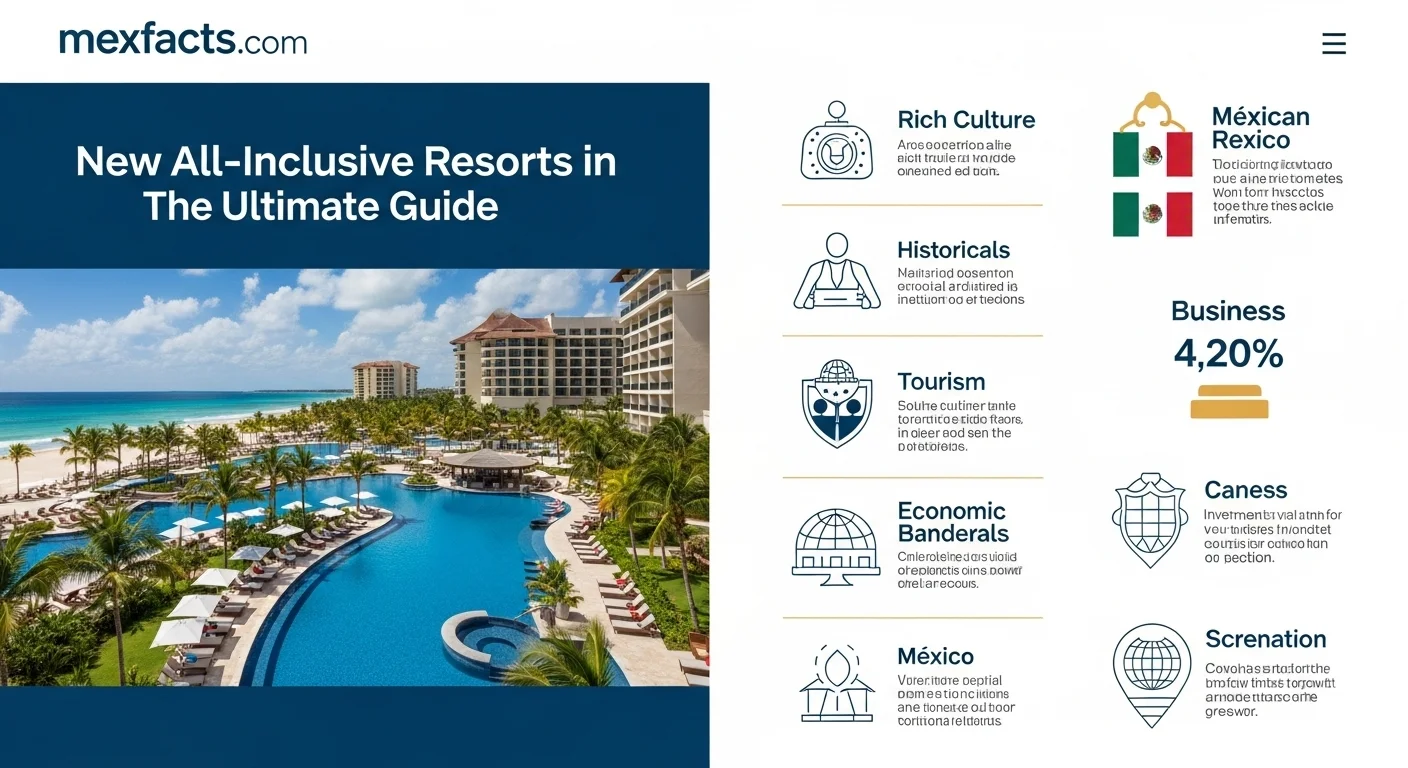
Tourism Growth and Hotel Construction Data
The rapid expansion of luxury all-inclusive hospitality in Mexico is underpinned by robust macroeconomic indicators and sustained foreign capital inflows. Rather than relying solely on volume expansion, the sector's performance highlights an increasing concentration of high-value travelers across major coastal hubs.
Official Tourism Metrics and Spending Patterns
According to official data from Mexico's Secretariat of Tourism (SECTUR) and the National Institute of Statistics and Geography (INEGI), Mexico welcomed approximately 45 million international tourists in 2024. These visitors generated an estimated $32.96 billion in foreign currency earnings, surpassing historic records. A key driver behind this revenue surge is the elevated average spend per traveler, propelled by the premium rates commanded by luxury all-inclusive properties. With tourism contributing approximately 8.5% of national GDP and supporting millions of direct and indirect jobs, institutional backing for high-end resort infrastructure remains exceptionally strong.
The Hotel Construction Boom
Mexico consistently leads Latin America in hotel development, with more than 200 hotel projects active in regional construction pipelines. A substantial portion of this capital is allocated to luxury and upper-upscale all-inclusive resorts located along Quintana Roo's coastline and the central Pacific corridor.
Key Openings: Mexican Caribbean and Pacific Coast
Mexican Caribbean: Cancun, Riviera Maya, and Costa Mujeres
The Mexican Caribbean remains the primary center for all-inclusive innovation, supported by Cancun International Airport's extensive global flight connectivity and ongoing infrastructure projects such as the Maya Train. Recent and upcoming properties highlight this momentum:
- Recent Flagship Openings: The region added substantial luxury room inventory through marquee launches, including the adults-only Hyatt Vivid Grand Island, Secrets Playa Blanca Costa Mujeres, and the expansive AVA Resort Cancun, known for its sprawling 2.8-acre crystal lagoon and extensive à la carte restaurant roster. These additions set fresh benchmarks for new all inclusive resorts in cancun 2024 and beyond.
- Pipeline and Expanding Concepts: Development continues with adults-only properties such as Excellence Coral Playa Mujeres and the family-oriented Dreams Grand Island Cancun. In the Riviera Maya, the Kimpton Tres Rios marks Kimpton's official entry into the all-inclusive category, situated within a 326-acre nature park with cenotes and mangrove habitats. These projects further expand the portfolio of new all inclusive resorts in riviera maya mexico.
Pacific Coast: Puerto Vallarta and Riviera Nayarit
Along the scenic Pacific coast, the Banderas Bay and Riviera Nayarit corridors have seen a parallel rise in high-end resort development:
- Breathless Puerto Vallarta Resort & Spa: Designed as an energetic, adults-only beachfront escape focused on contemporary culinary venues, vibrant nightlife, and modern architecture.
- UNICO 20°105° Hotel Vallarta: Building upon the brand's cultural immersion model established on the Caribbean coast, this property integrates regional Nayarit and Jalisco craft traditions, mixology, and customized excursions into an elevated all-inclusive rate.
- Market Nuance: While luxury all-inclusives expand in Puerto Vallarta, neighboring areas like Mandarina also host ultra-luxury European Plan resorts (such as Rosewood Mandarina), reflecting the region's diverse luxury lodging mix.
Future Trends, Challenges, and Industry Outlook
As the all-inclusive sector matures, resort operators must navigate shifting traveler expectations, environmental realities, and infrastructure demands. The coming decade will be defined by personalization, sustainability, and thoughtful regional integration.
Key Hospitality Trends Shaping the Next Decade
Several emerging developments are shaping the evolution of Mexican all-inclusive hospitality:
- Hyper-Personalization and Digital Concierges: Advanced guest management software enables properties to customize minibar selections, dietary preferences, room temperatures, and spa therapies prior to arrival, delivering individualized service at scale.
- Specialized and Wellness-Driven Resorts: Travelers increasingly seek properties built around dedicated wellness principles. Enclaves such as Palmaïa - The House of AïA lead this niche with progressive plant-based dining programs, daily sound healing, and holistic wellness rituals built directly into the base rate.
- Branded Residential Integrations: Major international luxury hotel flags are pairing all-inclusive hospitality with branded residential real estate, catering to affluent travelers desiring vacation home ownership backed by full resort amenities.
- Authentic Community Connections: The most resilient new resorts weave local indigenous traditions, regional ingredients, and local artisans into daily guest programming, creating meaningful cultural connections that distinguish Mexico from other global beach destinations.
Growth Opportunities and Critical Challenges
While the economic trajectory remains positive, sustainable long-term success requires addressing critical structural challenges:
- Ecological Preservation and Infrastructure: Rapid coastal growth can strain local freshwater reserves, coral reef ecosystems, and municipal waste management. As detailed in industry analyses by Mexico Business News, ongoing private-public investments in sustainable wastewater treatment, renewable energy microgrids, and marine protection zones are vital to safeguarding Mexico's coastal assets.
- Human Capital Development: High-touch luxury service requires substantial ongoing investment in workforce training, competitive compensation, and professional development for local communities across Quintana Roo, Nayarit, and Jalisco.
- Destination Diversification: Expanding luxury hospitality beyond crowded corridors into emerging destinations—such as Oaxaca's Pacific coastline and southern Baja California—offers lower environmental density and authentic cultural appeal.
Frequently Asked Questions
- What is the difference between traditional all-inclusives and the 'New All' resorts?
- Traditional all-inclusive resorts typically emphasize high-volume dining, standard buffets, and shared entertainment packages. 'New All' luxury resorts feature chef-driven à la carte restaurants, top-shelf liquor, personalized concierge and butler service, upscale wellness spas, and curated cultural excursions included in the upfront price.
- Are premium restaurants and top-shelf alcohol really included?
- Yes. In modern luxury all-inclusive properties, multi-course à la carte meals, sommelier selections, and craft cocktails are standard inclusions. While select ultra-rare reserve wines or private beach dinners may carry optional surcharges, standard dining venues require no additional payment or hidden resort fees.
- Which regions in Mexico have the highest concentration of new luxury all-inclusives?
- The Mexican Caribbean—specifically Cancun, Playa Mujeres, and the Riviera Maya—features the highest concentration of new properties and active construction projects. The Pacific corridor, encompassing Puerto Vallarta and the Riviera Nayarit, represents the second most active region for elevated all-inclusive resort openings.
Expert Reviews
Laura and Tom Hemlock, Recent Travelers ⭐⭐⭐⭐⭐
My husband and I just got back from one of the new resorts mentioned in this article, and it was a world away from the all-inclusives we remember from 10 years ago. The food was incredible, and the cultural activities felt so authentic. This guide perfectly captures the 'New All' concept. It's spot on!
David Chen, Frequent Mexico Visitor ⭐⭐⭐⭐⭐
As someone who has been traveling to Mexico for business and pleasure for over 20 years, I've seen the evolution firsthand. This article does an excellent job explaining the shift towards luxury and experiences. The data presented is incredibly useful for understanding where the market is headed. A must-read for anyone considering a trip.
Isabella Rossi, Event Planner ⭐⭐⭐⭐⭐
Excellent and insightful! I'm planning a corporate retreat, and understanding the nuances of these 'New All' resorts is crucial. The details on gastronomy, wellness, and design are exactly what I needed to find the perfect high-end venue for my clients. Thank you for this valuable resource!