
Enchiladas: The Soul of Mexico on a Plate and a Global Business

In Mexico, enchiladas are so much more than just food. They are a taste of home, a centerpiece of celebrations, and a powerful economic force. This journey takes you from the ancient kitchens of the Aztecs and Mayans to the bustling modern restaurant scene. We'll explore how this humble corn tortilla, bathed in chili sauce, reflects Mexico's diverse regions and has become a pillar of our national identity—a heritage so rich it's recognized by UNESCO. For anyone curious about Mexican culture or looking for international business opportunities, understanding the enchilada is understanding the heart of Mexico itself.
Table of Contents
- What Exactly Are Enchiladas?
- The Ancient Origins: A Dish of the People
- A Culinary Map of Mexico: The Regional Tapestry of Enchiladas
- From Cultural Symbol to Global Favorite
- The Boom in Gastronomic Tourism
- The Mexican Restaurant Market: A Global Powerhouse
- The Agricultural Backbone: Corn and Chili
- The Future: Opportunities in Exports and Food Products
- Innovation in Restaurants and Hospitality
- Challenges and the Path Forward
What are Enchiladas in Mexico and why do they matter internationally?
The story of enchiladas is the story of Mexico itself. It’s a culinary tale that stretches back centuries, woven deeply into the fabric of our nation's history, culture, and identity. For anyone outside of Mexico, to understand the enchilada is to gain a real appreciation for the richness of Mexican gastronomy, a tradition so vital it's been named an Intangible Cultural Heritage of Humanity by UNESCO. The name itself, 'enchilada,' comes from a simple Spanish word, 'enchilar,' which literally means 'to add chili to something.' But believe me, that simple definition doesn't even begin to cover the universe of flavors this dish holds. At its heart, an enchilada is a corn tortilla, gently fried, then filled, rolled, and smothered in a savory chili-based sauce. Yet, this basic formula is a canvas for incredible diversity, a delicious testament to Mexico's varied landscapes, histories, and local ingredients.
The Ancient Origins: A Dish of the People
The tradition of wrapping food in tortillas isn't new; its roots run deep, all the way back to the Aztec and Mayan civilizations. I remember my grandmother telling me stories of how our ancestors in the Valley of Mexico would roll up small fish in fresh corn tortillas—a practical and nourishing meal. These weren't just snacks; they were a way of life. The Spanish conquistador Bernal Díaz del Castillo even wrote about a feast hosted by Hernán Cortés in Coyoacán, where food was served on corn tortillas, showing that this custom was fit for nobility. The core ingredients—corn and chili—were, and still are, the pillars of the Mexican diet. The Mayans would dip their corn tortillas in a pumpkin seed and chili sauce, a direct ancestor of the enchiladas we love today. This wasn't just about eating; it was a cultural ritual that connected people to the land and their traditions. The act of making enchiladas, even in its earliest form, was tied to the very soul of Mesoamerican people.
A Culinary Map of Mexico: The Regional Tapestry of Enchiladas
When the Spanish arrived in the 16th century, a culinary fusion began that would change Mexican food forever. They introduced ingredients like chicken, beef, pork, and cheese, which we gradually incorporated into our ancestral dishes. This blend of Old and New World foods transformed the humble tortilla meal into something more complex and varied. It was during the colonial period that the enchilada as we know it began to take shape, becoming a hallmark of our cuisine. After Mexico gained its independence, the enchilada was cemented as a true national symbol.
Today, the variety of enchiladas across Mexico is simply astounding. Each region offers its own unique twist, a direct reflection of local history, climate, and ingredients. If you were to search for 'enchiladas near me' while traveling through Mexico, you'd find a completely different and wonderful experience in every state.
- Enchiladas Rojas: The classic version, bathed in a rich red sauce made from dried chilies like ancho or guajillo. They have a deep, smoky flavor that feels like a warm hug.
- Enchiladas Verdes: Made with a vibrant green salsa from tomatillos, cilantro, and serrano peppers. They are tangy, bright, and utterly refreshing.
- Enchiladas Suizas (Swiss-style): A fascinating piece of our history! These are topped with a creamy white sauce and melted cheese. They say Swiss immigrants who started dairies here inspired this creation, a perfect example of how Mexico embraces other cultures.
- Enmoladas: My personal favorite. Instead of a simple chili sauce, these are drenched in a complex, velvety mole, a sauce that can have dozens of ingredients like chilies, nuts, spices, and a hint of chocolate. They represent the pinnacle of Mexican culinary art.
- Enchiladas Potosinas: From San Luis Potosí, these are unique because the chili is mixed right into the corn masa of the tortilla. The dough is filled with cheese, folded like a little empanada, and fried to perfection.
- Enchiladas Mineras (Miner-style): From the silver mining state of Guanajuato, these are filled with potatoes and carrots and garnished with lettuce and cheese. A hearty, comforting meal with a story to tell.
And this is just scratching the surface! There are *enfrijoladas* (covered in bean sauce), *entomatadas* (tomato sauce), and countless others. Exploring them is like taking a journey through Mexico's heart and soul. For those at home, looking up recipes for easy enchiladas is a great start, but the true magic is found in the kitchens and markets of Mexico.
From Cultural Symbol to Global Favorite
The importance of enchiladas now extends far beyond our borders. As Mexican food became popular worldwide, especially in the United States, dishes like tacos and enchiladas became our cultural ambassadors. While Tex-Mex often offers a simplified version, it was crucial in introducing our flavors to a global audience. Today, the international love for Mexican food is undeniable; it's one of the most popular cuisines on the planet.
This global reach has a massive economic impact. The demand for authentic Mexican food fuels a multi-billion dollar industry. For international businesses, understanding the cultural meaning behind a dish like the enchilada is the key to success. It’s not just about selling food; it's about sharing an authentic experience. The growing interest in homemade enchiladas shows this perfectly. People don't just want to eat Mexican food; they want to connect with it and try making enchiladas themselves. This passion creates incredible opportunities, from exporting our unique chilies and corn flour to offering culinary tours. The journey of the enchilada, from a simple Aztec meal to a global icon, is a powerful story of Mexico's enduring cultural influence.
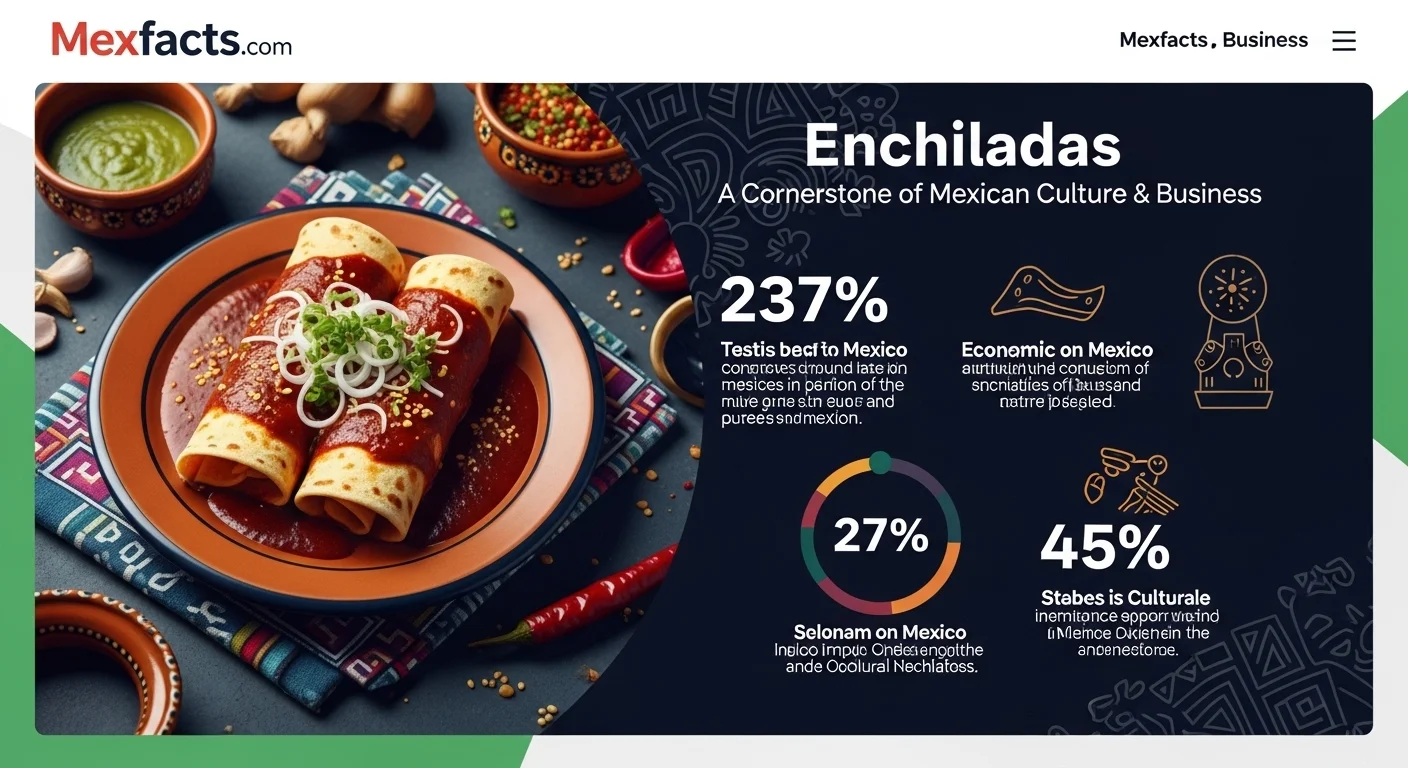
Current Statistics and Data About Enchiladas in Mexico
The economic and cultural power of enchiladas, and Mexican cuisine as a whole, isn't just a feeling—it's backed by powerful numbers. These statistics show a thriving industry that is a pillar of Mexico's economy and a rising star on the global stage. From the fields where our corn and chilies grow to the vibrant restaurants in Mexico City and beyond, the enchilada is a true economic engine. The data reveals key trends in what people love to eat, the sheer scale of the restaurant market, and the incredible value of food tourism, offering a clear picture for anyone looking to understand modern Mexico.
The Boom in Gastronomic Tourism
Food tourism is exploding in Mexico, and dishes like enchiladas are at the heart of it all. Travelers are coming not just for our beautiful beaches, but for a real taste of our culture. It's amazing to think that 30% of all international tourist spending in Mexico goes towards food. That's a huge economic boost, generating around US$8.9 billion a year for our country. This money supports a vast network of people, from small family-run *fondas* to large resorts, and it all circles back to our farmers. The government has even created 18 official 'Gastronomic Routes' across the country, highlighting over 1,500 dishes, with enchiladas being a star attraction. The market for culinary tourism in Mexico is expected to nearly quadruple by 2030, reaching over US$866 million. This growth shows the immense opportunity in offering authentic food experiences, like classes on making enchiladas or tours of local markets where the real magic begins.
The Mexican Restaurant Market: A Global Powerhouse
The love for Mexican restaurants isn't just a local affair; it's a global phenomenon. The worldwide market for Mexican restaurants is valued at over US$72 billion and is projected to grow to more than US$113 billion by 2033. This growth is fueled by a global craving for the bold flavors, fresh ingredients, and wonderful variety of Mexican cuisine, where tacos, burritos, and enchiladas are beloved staples. In the United States, our biggest international market, Mexican food is the most popular international cuisine, with nearly 1 in 10 restaurants serving it. That's almost 85,000 restaurants across the country!
These numbers tell us a few important things. First, people want the real deal. While fast-food chains have their place, there's a growing desire for authentic, traditional Mexican food. This is a golden opportunity for businesses that can deliver genuine flavors and experiences. Every time someone searches for 'enchiladas near me,' they are looking for that connection to authenticity. The market is also diversifying, with more demand for healthy, plant-based, and gluten-free versions of our classics. Recipe searches for easy enchiladas or homemade enchiladas also show a strong interest in home cooking, creating a market for high-quality sauces, meal kits, and ingredients.
The Agricultural Backbone: Corn and Chili
The entire enchilada economy rests on the foundation of Mexican agriculture, especially on our two most sacred ingredients: corn and chili. For us in Mexico, corn, or *maíz*, isn't just a crop; it is our heritage, the very foundation of our civilization. Mexico is the birthplace of corn, and its biodiversity is a national treasure we fight to protect. We face challenges in growing enough to meet our own needs, which presents opportunities for investment in sustainable farming and technology to support our small-scale farmers and protect our native corn varieties.
Chili peppers are the very soul of the enchilada; they give the sauce its unique identity and flavor. Mexico is one of the world's leading producers and exporters of chilies. The demand for our chilies, both fresh and dried, is huge. The process of making enchiladas authentically relies on specific dried chilies—like ancho, guajillo, and pasilla—and ensuring a stable, high-quality supply of these is vital for the food industry at home and abroad. The well-being of countless rural communities is directly tied to growing and selling these foundational crops. Any story about the enchilada's success must begin in the fields where it all starts.
Future Outlook and Opportunities Regarding Enchiladas in Mexico
The future for enchiladas, and Mexican cuisine as a whole, looks incredibly bright and full of opportunity. The world is hungry for authentic, flavorful, and culturally rich foods, which perfectly positions our gastronomy for continued success. Realizing this potential means embracing innovation while staying true to the cultural heart that makes dishes like the enchilada so special. For businesses, investors, and anyone passionate about food, the future is ripe with possibilities, from the farm all the way to the dinner table.
The Future: Opportunities in Exports and Food Products
One of the biggest growth areas is exporting Mexican food products. People everywhere want convenience, but they don't want to sacrifice authentic taste. Even if they are interested in homemade enchiladas, busy lives mean they look for shortcuts that deliver real flavor. This creates a huge opportunity for high-quality products. Think beyond just ingredients and consider things like:
- Artisanal Enchilada Sauces: Imagine bringing the authentic taste of a smoky salsa roja or a tangy salsa verde to kitchens around the world. Bottled sauces that capture the spirit of regional specialties allow anyone to create easy enchiladas at home that taste like they came from a grandmother's kitchen in Mexico.
- Gourmet Tortilla Products: The foundation of a great enchilada is the tortilla. There's a growing market for authentic, nixtamalized corn tortillas, and even specialized products like the chili-infused masa for Enchiladas Potosinas. Offering organic and non-GMO options appeals to discerning, health-conscious consumers.
- Meal Kits and Ingredient Boxes: These are perfect for the home cooking trend. Curated kits with all the necessary non-perishable ingredients for making enchiladas—the right dried chilies, the special spices, a recipe, and a little story about its origin—can be incredibly successful.
- Specialty Chili Exports: As global food knowledge grows, so does the demand for specific varieties of Mexican dried chilies. Investing in a supply chain that provides high-quality, traceable chilies like ancho, pasilla, and guajillo is a clear path to success.
Innovation in Restaurants and Hospitality
The restaurant world is always changing, and Mexican food is evolving right along with it. Technology and new consumer tastes are shaping the future of dining. With more people searching for 'enchiladas near me,' a strong digital presence is essential. Future opportunities include:
- Ghost Kitchens and Virtual Brands: With the rise of delivery apps, opening a commercial kitchen without a formal dining room is a smart, lower-cost way to enter the market. A virtual brand focused only on high-quality, regional enchiladas could capture a huge urban audience.
- Sustainable and Health-Conscious Concepts: There's a powerful global shift towards health and sustainability. Restaurants that use locally sourced, organic ingredients, offer delicious plant-based menus (like mushroom or hibiscus-flower enchiladas), and adopt eco-friendly practices will attract a growing and loyal following.
- Experiential Dining and Culinary Tourism: The boom in food tourism will continue. This is about more than just serving a meal. The real opportunity lies in creating immersive experiences: cooking classes on making enchiladas, mezcal pairings, guided market tours, and farm-to-table dinners that tell the story behind the food. These are the memories that people cherish and pay a premium for.
- Franchising Authentic Concepts: For successful restaurants in Mexico, there is immense potential to franchise their concepts internationally. The key is to maintain absolute authenticity and quality, giving franchisees the training and support they need to replicate the experience perfectly. The demand for real Mexican food is far greater than the supply in many parts of the world.
Challenges and the Path Forward
While the outlook is exciting, there are challenges. Supply chain issues, especially for key ingredients like avocados and specialty chilies, can affect costs. Climate change is a long-term threat to our agriculture that requires investment in resilient farming. And as our cuisine becomes more popular, we face the constant challenge of protecting its authenticity from being diluted by mass-market versions. Protecting the heritage of the enchilada is crucial for its long-term success.
The path forward requires a shared effort. For Mexico, it means continuing to invest in our farmers and promoting our culinary heritage on the world stage. For international businesses, it means approaching our market with respect and a true commitment to quality. Success will come not just from selling a product, but from sharing a piece of Mexico's rich, delicious story. The enchilada is the perfect symbol of this: a simple dish with a complex history, representing the soul of a nation and offering a world of opportunity.
For more ongoing insights into Mexico's diverse business landscape, the Mexico Business News platform is a fantastic external resource, offering valuable information on sectors like agribusiness and tourism.
Expert Reviews
Sofia Petrov, Food Blogger ⭐⭐⭐⭐⭐
I was planning a trip to Oaxaca and wanted to understand the food scene beyond tacos. This article was a fantastic guide! Learning about the different regional enchiladas, like *enmoladas*, helped me know what to look for. It made my culinary adventures so much richer. Thank you!
Marcus Weber, Entrepreneur ⭐⭐⭐⭐⭐
As someone looking to import authentic Mexican food products to Europe, the statistics and market analysis here were incredibly valuable. The breakdown of gastronomic tourism and the demand for authenticity confirmed my business strategy. This is more than just an article; it's a solid market insight.
Isabella Garcia, Student ⭐⭐⭐⭐⭐
I'm a third-generation Mexican-American trying to connect with my roots. The history section, explaining the Aztec origins and the evolution of the dish, was beautiful. It made me feel so proud of my heritage. I even tried the 'easy enchiladas' tips and made some for my family!