
The Heart of Mexican Cuisine: An Insider's Guide to Cheese

Mexican cheese is so much more than an ingredient; it's the soul of our culinary heritage and a booming economic sector. Whenever I travel through Mexico, my journey is guided by flavor, and nothing tells a story quite like the local cheese. From the fresh, crumbly queso fresco sprinkled over street-side antojitos to the artisanal cheeses that are the stars of gastronomic routes, the diversity is simply immense. This article will take you on a journey through the deep cultural meaning of cheese in Mexico. We'll explore the latest production and consumption figures and analyze the business landscape for an international audience. We'll look at market trends, the rise of artisanal products, and export potential, offering a complete picture for investors, importers, and food lovers alike. Mexico is not just a strong consumer but an innovative producer, with a market expected to hit $2.2 billion by 2033. Through this exploration, we'll uncover the opportunities and challenges in a sector that beautifully blends tradition with global trends.
- What is Mexican Cheese and Why Does it Matter Globally?
- Mexican Cheese: A Look at the Numbers
- Future Outlook and Opportunities in Mexico's Cheese Sector
What is Mexican Cheese and Why Does it Matter Globally?
When we talk about cheese in Mexico, we're talking about a whole universe of flavors and textures that goes far beyond the common international image of a yellow, melted dip. While a 'queso dip' is a popular Tex-Mex creation, authentic Mexican cheese is a cornerstone of our cultural identity, food, and economy. Its story is one of beautiful fusion, blending the dairy traditions brought by the Spanish conquistadors in the 16th century with local tastes and practices. Before the Europeans arrived, there were no large dairy animals like cows, sheep, or goats in Mesoamerica, so a cheesemaking tradition didn't exist. The introduction of these animals and European techniques found fertile ground here, sparking a unique evolution that has given us over 40 recognized regional cheese varieties. [32]
You simply can't overstate the importance of cheese in Mexico. It's a daily staple for millions and an irreplaceable ingredient in countless iconic dishes. I still remember the taste of my grandmother's enchiladas, always generously topped with salty, crumbled queso fresco. That same cheese is sprinkled over sopes and refried beans. Then there's the stringy, melty Queso Oaxaca (also known as quesillo), which is the heart and soul of quesadillas and tlayudas. Walking through a market in Oaxaca and seeing the beautiful braids of fresh quesillo is a core memory for me. Each region of Mexico has crafted its own specialties, creating a mosaic of flavors. Queso Cotija from Michoacán, an aged, hard cheese with a protected designation of origin, is rightly called the 'Parmesan of Mexico' for its intense flavor. [19] Queso Panela, soft, white, and spongy, is perfect fresh in salads or grilled. And Queso Chihuahua, born from the Mennonite communities in the north, is a smooth, semi-hard cheese that melts beautifully for a perfect homemade queso. [19]
Internationally, Mexican cheese is finally getting the attention it deserves. For decades, the global view was shaped by the idea of a homemade queso dip, a creamy sauce made from processed cheeses and chiles. While delicious, it doesn't represent the true richness of Mexican cheesemaking. As authentic Mexican cuisine earns its place on the world stage, so does the interest in its real ingredients. High-end chefs, foodies, and curious home cooks are discovering the complexity of our cheeses. This growing interest is opening new doors for exports and international recognition. The idea of making an easy queso dip at home is evolving; people now seek recipes using authentic cheeses like Asadero or Chihuahua for a more genuine flavor. [32] That wonderful crumbled queso fresco is no longer just for Mexican dishes; international chefs use it to add a fresh, salty kick to salads, soups, and even pasta. This journey from an ethnic niche to a gourmet ingredient speaks volumes about the quality and universal appeal of Mexican cheese. It's not just about exporting a product, but exporting our culture and story. Gastronomic routes, like the famous Art, Cheese, and Wine Route in Querétaro, draw tourists from all over, eager to see the artisanal process firsthand. [7, 8] This kind of immersive tourism is vital for building a strong brand for our cheese. The Mexican diaspora has also been instrumental, introducing these cheeses to new markets and creating a demand that producers can now meet on a larger scale. The story of Mexican cheese is changing, from a local staple to a global culinary treasure.
Mexican Cheese: A Look at the Numbers
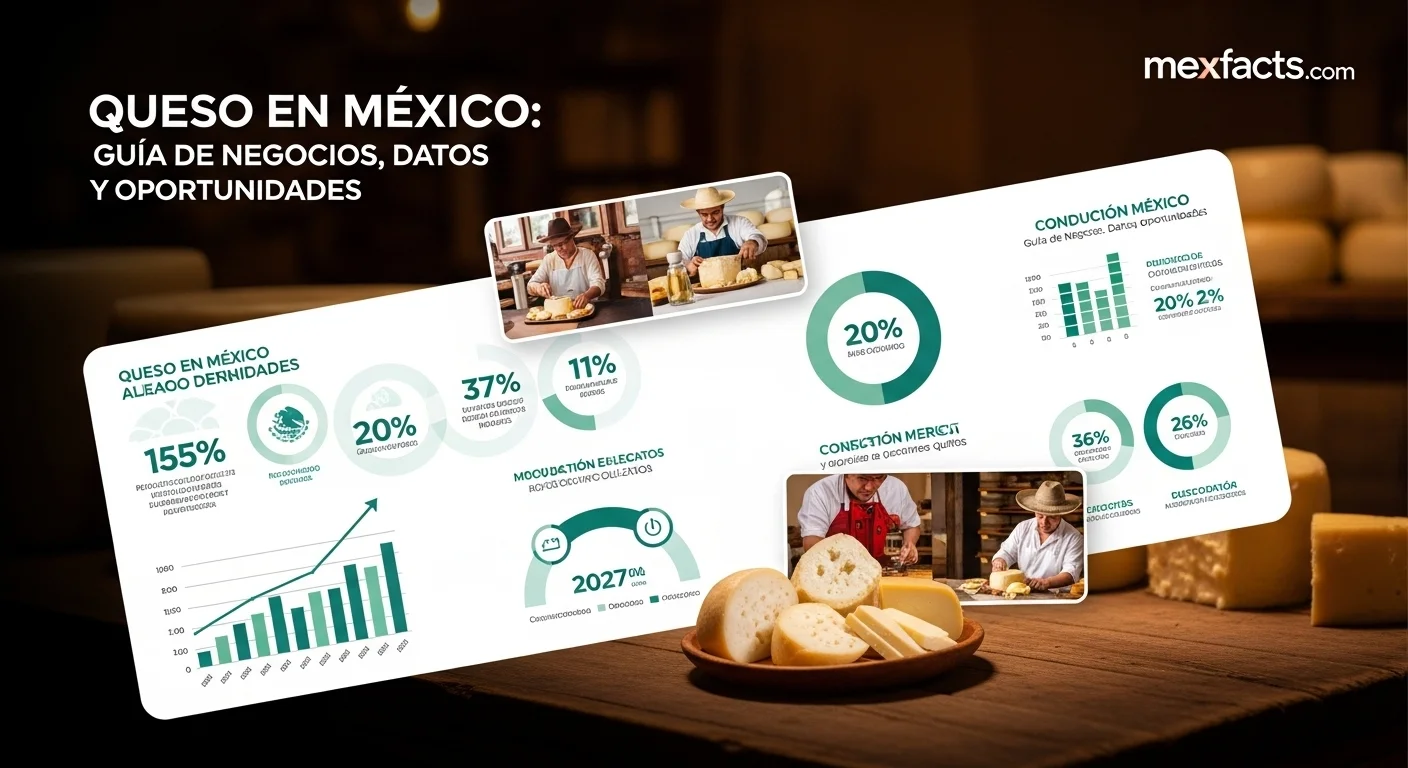
The numbers behind Mexico's cheese market paint a fascinating picture of a country that deeply loves its cheese. The market is robust and growing steadily, driven by both strong domestic demand and increasing interest from abroad. Valued at $1.4 billion in 2024, the market is projected to grow at a compound annual growth rate (CAGR) of 5.09%, reaching an estimated $2.2 billion by 2033. [2] Another report places the market even higher, at $3.07 billion in 2024, with a projected CAGR of 7.6% through 2034. [9] This growth is fueled by a rising middle class, urbanization, and consumers who are becoming more adventurous in their tastes.
In terms of production, Mexico is a major player. The forecast for 2024 anticipates a national production of 474,000 metric tons, a 2% increase from 2023. [1] This production is concentrated in several key states whose climate and ranching traditions have made them the pillars of our cheese industry. States like Jalisco, Chihuahua, Guanajuato, Coahuila, and Durango have historically been leaders in milk production and, by extension, cheese. [20] Jalisco alone, for instance, is responsible for about 21% of the country's milk. [20] These regions are home to both large industrial plants and countless small-scale artisanal producers who keep our cheesemaking traditions alive.
Cheese consumption in Mexico is also on the rise, with a total forecast of 645,000 metric tons for 2024. [1] This tells us an important story: despite our growing production, Mexico is still a net importer of cheese to meet domestic demand, creating a significant opportunity for international producers. [18] Our main trading partner here is the United States, which supplies over 85% of Mexico's cheese imports. [2] While our per capita consumption is still modest compared to European countries (around 11 pounds in Mexico versus 42 in the US), it has been growing consistently, showing there's plenty of room for market expansion. [24] The Mexican consumer is evolving. While fresh cheeses like Queso Fresco (often sold crumbled as crumbled queso fresco) and Panela still lead the market, there's a growing appetite for specialty and international varieties. [2] You can see this in our supermarkets and gourmet shops, which now feature a wide array of cheeses alongside local favorites. [2] This growing sophistication drives local innovation and creates niches for imported products. The love for recipes like homemade queso dip or dishes needing a good melting homemade queso fuels demand for varieties like Chihuahua and Asadero. [32] The food service sector—restaurants, hotels, and institutions—is also a major driver of demand, especially for cheeses used in pizzas and fast food. [1]
The artisanal cheese segment is experiencing a wonderful renaissance. Consumers are increasingly drawn to authenticity, quality, and local products, which is expected to grow the artisanal cheese market by 6.50% annually. [6, 10] This trend supports rural economies and helps preserve traditional production methods. Events like fairs, farmers' markets, and tourist routes like the one in Querétaro [7, 11] are crucial for these small producers to reach a wider audience. The narrative of authentic Mexican cheese, crafted with time-honored techniques, resonates powerfully in a global market that values the story behind the food. Even the concept of an easy queso dip is being reimagined with 'gourmet' versions using artisanal cheeses, showcasing their versatility in modern cooking."
Future Outlook and Opportunities in Mexico's Cheese Sector
The future of Mexico's cheese market looks incredibly dynamic, brimming with opportunities for both local and international players. With consistent growth projections, this sector is healthy and full of untapped potential. [9, 15] Several key trends are shaping this future, presenting strategic opportunities for investment, innovation, and trade.
1. Export and Global Positioning Opportunities:
As the world falls more in love with Mexican cuisine, the demand for its authentic ingredients grows. This is a golden opportunity for producers of Mexican cheese. The challenge is to educate international consumers, helping them appreciate the vast difference between our diverse cheeses and mass-produced imitations. Exporting cheeses with a designation of origin, like Cotija, or those with strong regional identities, like Oaxaca and Chihuahua, holds immense potential in gourmet markets across North America, Europe, and Asia. Businesses that can navigate export regulations and invest in marketing that tells the rich story behind their homemade queso will be set for success. The U.S. market, in particular, remains the most significant and accessible destination with a strong, growing demand. [22, 29]
2. The Boom in Gastronomic Tourism:
From my travels, I've seen firsthand how food tourism can transform a region. The Art, Cheese, and Wine Route in Querétaro is a stunning success, drawing thousands of visitors each year. [8, 11, 12] This model offers a priceless opportunity for artisanal producers to showcase their products, educate consumers, and sell directly, boosting their profits. There's a chance to replicate this success in other great cheese regions like Chiapas, Puebla, or Chihuahua, creating new routes that blend cheese tasting with local culture, history, and natural beauty. These immersive experiences turn a product into a cultural memory, fostering deep brand loyalty. Visitors return home wanting to recreate those flavors, searching for the perfect ingredients for their own easy queso dip with authentic cheese or that specific crumbled queso fresco they tasted on their trip.
3. Innovation and Adapting to Consumer Trends:
The Mexican market is not standing still. A growing awareness of health and wellness is opening doors for innovative products. [6] There are opportunities in developing low-fat, low-sodium, or lactose-free cheeses. Queso Panela, for instance, already enjoys a reputation as a healthy choice. [32] Additionally, while still a small segment, the market for plant-based alternatives is gaining traction. [23] Companies that explore creating plant-based 'cheeses' inspired by Mexican classics could capture a growing niche. Convenience is another key driver. Products like pre-shredded, cubed, or snack-sized cheeses cater to a fast-paced, urban lifestyle. [23] Even the classic homemade queso dip is being reinvented with ready-to-heat versions that use high-quality ingredients, offering a convenient gourmet solution.
4. Strengthening the Value Chain and E-commerce:
A major challenge, especially for small-scale artisans, is logistics and distribution. Investing in the cold chain is crucial to ensure fresh cheeses reach consumers across the country and in export markets in perfect condition. E-commerce presents a massive opportunity to connect producers directly with consumers, cutting out the middleman. Specialized platforms for gourmet and artisanal products can allow a producer in Chiapas to sell their unique Mexican cheese to a customer in Monterrey or even overseas. Creating product kits, like an 'authentic quesadilla kit' with real Oaxaca cheese or a 'make your own homemade queso kit,' could be a brilliant digital marketing strategy.
In short, the Mexican cheese sector stands at an exciting crossroads of rich tradition and modern innovation. For international investors and entrepreneurs, understanding the cultural nuances of crumbled queso fresco, the economic importance of the import market, and the growing appreciation for authentic Mexican cheese is the key to unlocking the many opportunities this vibrant sector offers. For deeper insights into the business climate in Mexico, Mexico Business News [39] is an excellent resource for industry analysis.
Expert Reviews
Chloé Dubois, Food Blogger ⭐⭐⭐⭐⭐
As a food blogger, I thought I knew Mexican food. This article opened my eyes to the incredible world of authentic Mexican cheese beyond the supermarket basics. It inspired a whole series on my blog, and my readers loved learning about Cotija and Oaxaca cheese. Truly a game-changer!
Michael Chen, Entrepreneur ⭐⭐⭐⭐⭐
I'm looking to import artisanal foods into the US. This guide was invaluable. The breakdown of regional cheeses and the market statistics gave me a clear roadmap. It’s rare to find such well-researched, culturally aware business content.
Sofia Gonzalez, Traveler ⭐⭐⭐⭐⭐
After reading this, my trip to Querétaro completely changed. I followed the advice and visited the Cheese and Wine Route. Tasting cheese straight from the source was an unforgettable experience. Thank you for making my travels so much richer!