
Hacienda Restaurants: A Journey into Mexico's Soul and History

Imagine stepping through an ancient stone archway, leaving the modern world behind. You're in a hacienda restaurant, a place where Mexico's heart beats strongest. This is far more than a meal; it's a deep dive into the country's epic history, vibrant culture, and stunning architecture. These grand estates, born during the Spanish colonial era, were once the powerful centers of Mexican life and industry. Today, many have been lovingly brought back to life, transformed into breathtaking hotels and restaurants that offer a window into a romantic, bygone era. For anyone visiting Mexico, especially from abroad, a hacienda restaurant is an essential experience. It's where authentic, regional food—the kind you dream about—is served in enchanting courtyards filled with stories. This article is your guide to understanding the profound soul of hacienda restaurants, their crucial role in Mexico's tourism, and the trends like sustainability and agritourism that are shaping their future. If you're wondering where to find 'la hacienda restaurant near me' on your trip, think of this as your cultural map.
Table of Contents
- What is a Hacienda Restaurant? A Living Piece of History
- Why the World is Falling in Love with Haciendas
- 1. Gastronomic Tourism: A Feast for the Senses
- 2. Heritage and Cultural Tourism: Dining in a Museum
- 3. Luxury and Experiential Travel: More Than a Meal
- 4. Wellness and Nature Tourism: Finding Peace
- Regional Flavors: From Yucatán's Green Gold to Jalisco's Tequila
What is a Hacienda Restaurant? A Living Piece of History
When you travel through Mexico, you see the obvious beauty—the turquoise waters, the bustling cities. But the real soul of the country, the deep, historical current, is often found in quieter places. For me, nothing captures this more than a hacienda restaurant. This isn't just about dinner; it's a conversation with the past. The word 'hacienda' refers to a large estate, much like a plantation, that was the engine of Mexico's economy for centuries, from Spanish colonial times through the 1800s. I’ve walked the grounds of these places, touching the thick stone walls and imagining them as bustling centers of agriculture, producing everything from sugar and coffee to the henequen fiber that made Yucatán fabulously wealthy. Their architecture is unmistakable: grand main houses, sprawling courtyards with trickling fountains, and elegant archways that seem to hold the secrets of generations.
The Mexican Revolution (1910-1920) changed everything. Land reforms broke up these massive estates, and for decades, many of these magnificent buildings were left to crumble, becoming beautiful, silent ruins swallowed by the jungle. I’ve seen photos of them from the mid-20th century, and it’s both haunting and poetic. But in recent decades, a wonderful thing happened. A passionate movement of visionaries—hoteliers, chefs, and preservationists—saw not ruins, but treasures. They began breathing new life into these estates, giving birth to the modern hacienda restaurant. They meticulously restore the original architecture while weaving in the comforts of modern luxury. Visiting one is a cornerstone of heritage tourism, an experience that a modern city restaurant simply cannot offer.
The importance of this, especially for an international traveler, is immense. Today's visitor, whether from the U.S., Canada, or Europe, is often looking for something real, something authentic that connects them to the place they're visiting. A la hacienda mexican restaurant delivers this perfectly. It’s a multi-sensory experience: the architectural beauty, the serene natural setting, the palpable history, and of course, the incredible food. Many of these chefs are cultural guardians, dedicated to preserving traditional Mexican cuisine—a tradition so important it’s recognized by UNESCO as an Intangible Cultural Heritage of Humanity. They often use hyper-local ingredients, sometimes grown right there on the hacienda's land, to craft dishes that tell the story of their region, be it a complex mole from Oaxaca, a slow-roasted cochinita pibil from the Yucatán, or a dish celebrating the flavors of tequila in Jalisco.
Why the World is Falling in Love with Haciendas
Globally, the appeal of a hacienda restaurant is its magical blend of rustic soul and effortless luxury. These aren't just places to eat; they are destinations in themselves. A meal at a hacienda is often the highlight of a trip to Mexico, a memory that stays with you long after you've gone home. It taps directly into what modern travelers are searching for:
1. Gastronomic Tourism: A Feast for the Senses
Food is one of the best reasons to travel, and a hacienda mexican restaurant is the ultimate expression of this in Mexico. It’s a place to explore the true depth of our cuisine, far beyond the tacos and burritos many people know. I remember visiting Hacienda Teya in Yucatán, which dates back to the 17th century. Dining there felt like a delicious history lesson. They serve classic Yucatecan dishes, and you can taste the tradition in every bite, from the use of the chaya leaf to the heirloom corn varieties. It's a culinary education.
2. Heritage and Cultural Tourism: Dining in a Museum
Travelers are hungry for history, and Mexico has it in abundance, with 35 UNESCO World Heritage Sites. Hacienda restaurants are living museums. You don't just look at history here; you sit within it. The antique furniture, the old family portraits on the walls, the very stones of the building—they all tell stories of colonial wealth, revolutionary change, and the beautiful fusion of cultures that defines Mexico.
3. Luxury and Experiential Travel: More Than a Meal
The modern definition of luxury isn't about gold taps; it's about unique, unforgettable experiences. A la hacienda restaurant offers this in spades. There’s nothing quite like dining in a centuries-old courtyard under a sky full of stars, surrounded by tropical gardens. It’s profoundly romantic and deeply moving. It's no wonder these places are so popular for destination weddings and special celebrations—they create moments that last a lifetime.
4. Wellness and Nature Tourism: Finding Peace
Many haciendas are tucked away in peaceful, rural settings, offering a welcome escape from the noise of everyday life. This tranquility is a huge part of their charm. Being surrounded by nature—whether it's vast gardens, nearby cenotes in the Yucatán, or rolling farmland—is deeply restorative. Some haciendas are now incorporating incredible spas that use traditional Mayan healing arts and local herbs, creating a holistic retreat for the body and soul.
Regional Flavors: From Yucatán's Green Gold to Jalisco's Tequila
While you can find haciendas across Mexico, certain regions are famous for them. The Yucatán Peninsula is the heartland of the hacienda experience. Its history is tied to henequen (sisal), a fiber that created immense wealth in the 19th century and was called 'green gold'. When synthetic fibers were invented, the henequen market crashed, and these grand estates were abandoned. Today, driving through the Yucatán, you'll find countless beautifully restored haciendas like Hacienda Xcanatún or Hacienda Santa Rosa, each a portal to that opulent past. When a traveler searches for 'la hacienda restaurant near me' while in Mérida, they're not just looking for food; they're looking for one of these historical gems.
But other states have their own rich traditions. In Jalisco, the birthplace of tequila, haciendas were tied to producing our most famous spirit. In Morelos, they were centers of sugar cane production. Each region gives the hacienda experience its own unique flavor, both culturally and literally. This isn't a one-size-fits-all concept; it’s a rich tapestry woven from the distinct histories of Mexico’s diverse states. And that’s what makes it so special—there's always another story to discover, another regional dish to taste.
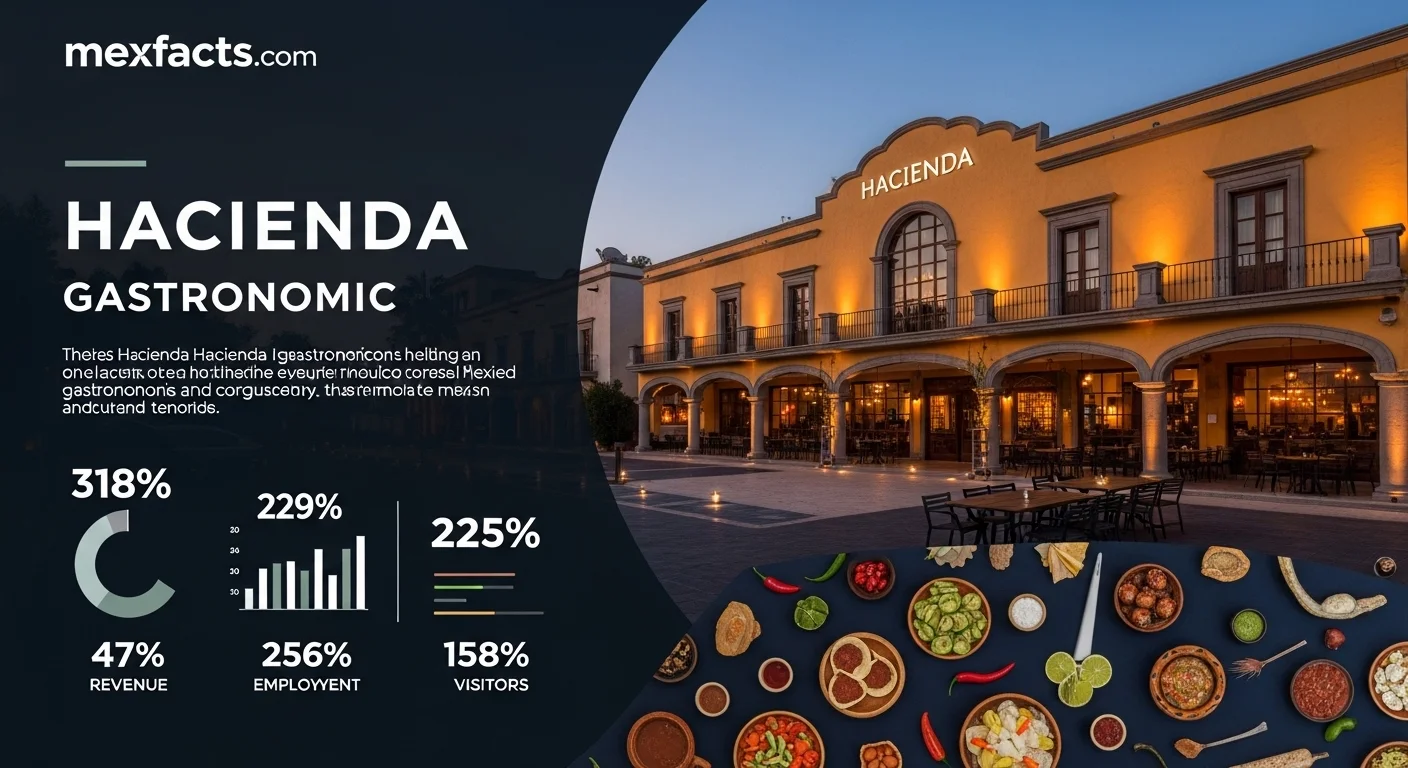
The Numbers Behind the Magic: Statistics and Data on Hacienda Restaurants
To truly appreciate the role of the hacienda restaurant in Mexico, it helps to look beyond the romance and see the powerful economic engine at work. While the government doesn't track 'hacienda restaurants' as a specific category, we can understand their impact by looking at the broader trends in tourism, food, and luxury travel. These numbers don't just tell a story of profit; they tell a story of cultural value and a thriving future.
Mexico's Tourism Powerhouse: The Big Picture
The success of hacienda restaurants is built on the foundation of Mexico's incredible tourism industry. In 2024, Mexico welcomed around 45 million international tourists, solidifying its place as one of the most visited countries on Earth. This isn't just a post-pandemic rebound; it's a testament to the country's enduring appeal. That influx of visitors brought in a record-breaking $32.96 billion. To put it simply, tourism is a massive contributor to our national economy, making up about 8.6% of the GDP.
Within this huge industry, the ideal customer for a hacienda mexican restaurant is clear. The largest group of visitors comes from the United States, followed by Canada. Many of these travelers, especially those seeking luxury and authentic experiences, are precisely the people who will seek out a hacienda. You can see this confidence in the hotel sector, where investors are pouring money into luxury properties, not just on the beaches of Los Cabos but also into unique heritage sites like haciendas.
The Economic Power of Food Tourism
Never underestimate the power of a good meal. Gastronomic tourism is a major economic force in Mexico and is the very heart of any la hacienda mexican restaurant. Think about this: nearly a third of a tourist's budget in Mexico is spent on food and drinks. That's a huge slice of the pie. The broader restaurant industry itself provides over 2 million jobs in Mexico. More specifically, the culinary tourism market is exploding, projected to grow from about $245 million in 2023 to nearly $867 million by 2030. That's not just growth; that's a boom.
Hacienda restaurants are perfectly placed to capture the most valuable part of this market. Their focus on high-quality, authentic regional food is exactly what modern food lovers are looking for. They act as guardians of our culinary heritage, elevating traditional recipes and telling the story of our land through flavor. The growing popularity of food festivals and culinary trails shows a clear demand for immersive food experiences—and a destination hacienda is the ultimate immersive experience.
The Value of Heritage and Luxury
The magic of a hacienda restaurant is tied to its history. Heritage and cultural tourism are on the rise, as travelers seek out Mexico's 35 UNESCO World Heritage sites and countless other cultural treasures. Studies have shown the immense, often untapped, potential of these former haciendas for rural tourism. In Puebla, for instance, of over 400 registered ex-haciendas, only a quarter are in good condition. To me, that doesn't sound like a problem; it sounds like a massive opportunity for restoration and investment.
These properties attract a specific market: not budget backpackers, but high-end travelers, couples on romantic escapes, and companies looking for exclusive retreat venues. This is reflected in where the investment is going. Investors are targeting full-service hotels and unique branded residences, a model that fits perfectly with larger hacienda developments. A search for 'la hacienda restaurant near me' by a traveler in the Riviera Maya isn't just a casual query; it's often a search for a premium experience that stands apart from their resort.
A Look at Operations
Running a hacienda restaurant is a unique challenge. The costs are high, because you're not just running a kitchen; you're acting as the caretaker of a historic monument. I've seen restoration projects firsthand, and they are enormous undertakings, requiring skilled artisans who can preserve historical details while adding modern necessities. But the rewards are equally high. These venues can charge premium prices for dining and are highly sought-after for large events like weddings. A famous hacienda like Teya in Yucatán, for example, can host up to 250 people, making it a major player in the events industry.
Statistically and culturally, the Yucatán Peninsula remains the epicenter of the hacienda revival. The story of how abandoned henequen plantations were turned into world-class luxury destinations is one of the great successes of Mexican tourism. Places like Hacienda San Pedro Ochil have masterfully repurposed their agricultural past into a new, sustainable economic future. If you were to look at online search data, you'd see a huge number of searches for 'hacienda restaurant' connected to trips to Mérida, Cancún, and the Riviera Maya. This data confirms what we feel in our hearts: the allure of the hacienda is stronger than ever.
The Future is Bright: Outlook and Opportunities for Hacienda Restaurants
The future for the hacienda restaurant in Mexico is incredibly exciting. These historic estates stand at the crossroads of some of the most powerful trends in global travel. As people everywhere look for more meaningful, sustainable, and authentic experiences, haciendas are poised for remarkable growth. But success means navigating a path of careful investment, dedicated preservation, and smart innovation. For those who can, the opportunities for businesses and local communities are immense, cementing the hacienda's place as a true jewel of Mexican tourism.
Key Trends Shaping Tomorrow
The next chapter for the la hacienda restaurant will be defined by several key movements:
1. Sustainable and Regenerative Tourism
Sustainable travel is no longer a niche market; it's what people expect. Haciendas are born for this. Many sit on large plots of land, perfect for creating true farm-to-table programs. Imagine a restaurant that grows its own organic vegetables, raises local animals, and uses traditional farming methods like the milpa system. This doesn't just make for a better meal; it creates a powerful story of sustainability. The next step is regenerative tourism—leaving a place better than you found it. Haciendas can lead the way by reforesting land, restoring local water sources, and reviving heritage crops, making 'green' a core part of their identity.
2. Agritourism and Immersive Experiences
Modern travelers don't just want to see things; they want to *do* things. A hacienda mexican restaurant can become a hub for agritourism. Picture a hacienda in Jalisco where you don't just eat dinner, but you take a tour of the agave fields on horseback, watch the tequila-making process, and have a tasting with a master *tequilero*. In the Yucatán, a hacienda could offer cooking classes in traditional Mayan techniques or workshops on beekeeping for the sacred Melipona honey. These hands-on activities create deep, lasting memories, justify higher prices, and turn a one-night dinner into a multi-day destination.
3. Wellness and Digital Detox
The natural tranquility of most haciendas makes them perfect for wellness retreats. The future will see more of them offering complete wellness packages with yoga, meditation, and spa treatments that use indigenous plants and healing traditions. I’ve seen this beginning to happen, and it’s a brilliant move. It taps into the huge wellness travel market and appeals to people desperate for a 'digital detox'—a true escape from their over-connected lives. The peaceful courtyards and lush gardens of a hacienda restaurant are the ideal backdrop for finding balance and relaxation.
4. Smart Technological Integration
While the soul of a hacienda is historic, its operations need to be cutting-edge. The future means using technology to improve the guest experience. This includes seamless online booking systems, virtual reality tours to attract international guests before they even leave home, and a strong social media presence. Platforms like Instagram are a gift for haciendas, allowing them to showcase their stunning beauty to a global audience. Analyzing search data for terms like 'la hacienda restaurant near me' can also help owners understand local demand and tailor their marketing.
Investment Opportunities & Challenges
The dream of owning a hacienda is powerful, and the potential for a great return on investment is real. But it's a journey that requires capital, vision, and a lot of heart.
The Opportunities:
- Breathing Life into Ruins: There are still many unrestored haciendas waiting for a second chance, especially in states like Puebla and Tlaxcala. For the right investor, these are not just ruins; they are a blank canvas for creating a one-of-a-kind destination.
- Favorable Environment: The Mexican government is deeply invested in promoting tourism, especially through its 'Pueblos Mágicos' (Magical Towns) program. This creates a supportive atmosphere for heritage-based projects.
- A High-Value Niche: Haciendas attract a premium clientele that is often more resilient to economic downturns. The demand for luxury, exclusivity, and unique venues for weddings and corporate events creates a high-margin business model.
The Challenges:
I've spoken with many who've taken on these projects. They'll tell you that restoring a hacienda is a labor of love, not a quick flip.
- High Restoration Costs: Bringing a historic property back to life is expensive and takes time. It requires specialized architects and craftspeople who can honor the past. Patience is key; projects in Mexico often take longer and cost more than first planned.
- Navigating Regulations: Historic buildings are rightly protected by institutions like the National Institute of Anthropology and History (INAH). Getting the proper permits for restoration can be a complex and slow process.
- Land Ownership: This is a big one. It's crucial to ensure a clear title. Some properties may involve *ejido* land (communally owned land with complex laws), which can complicate a purchase. Working with experienced local lawyers is non-negotiable.
- Remote Logistics: The remote location of many haciendas is part of their charm, but it can be a logistical headache for things like roads, reliable internet, and staffing.
A Horizon Full of Promise
Ultimately, the future for the hacienda restaurant in Mexico is one of beautiful evolution. It perfectly marries our country's past with its future—preserving priceless history while innovating to delight the modern global traveler. For an investor, it's a chance to become the steward of a piece of Mexican history. For a tourist, it's an unforgettable journey into the very soul of Mexico. As our country continues to shine on the world stage, the enchanting allure of its haciendas will only grow brighter.
Expert Reviews
Michael Chen, Traveler ⭐⭐⭐⭐⭐
My wife and I celebrated our 20th anniversary at a hacienda near Valladolid, and it was pure magic. Dining under the stars, surrounded by centuries of history... the food was incredible, straight from their garden. It wasn't just a meal; it was the highlight of our trip to Mexico.
Sofia Gomez, Food Blogger ⭐⭐⭐⭐⭐
As a food blogger, I'm always looking for authenticity. This article perfectly captures why hacienda restaurants are so special. They are guardians of regional cuisine. I had a cochinita pibil in the Yucatán that was cooked in an underground pit, just as it has been for generations. This article explains the 'why' behind that amazing experience.
David Miller, Investor ⭐⭐⭐⭐⭐
This guide is a fantastic starting point for anyone considering investing in heritage tourism in Mexico. It touches on the key challenges like INAH and land tenure, which is crucial. It confirms my belief that these properties are not just buildings, but powerful economic and cultural assets.