
Holbox Island Mexico: 2026 Guide to Paradise & Safety

I remember the first time I set foot on Holbox... sandy streets, no cars, just the gentle hum of golf carts and the whisper of the Caribbean Sea. It felt like a world away from the hustle of Cancun. But that once-sleepy fishing island in Quintana Roo state is now at a crossroads, a star on the international travel stage. This guide takes you beyond the picture-perfect beaches. We'll talk about the real journey of getting there, the numbers that tell the story of its fame, and the tough questions about its future. For anyone who wants to visit, invest, or simply understand this magical piece of the Mexican Caribbean, this is the story of Holbox – its vibrant culture, its fragile ecosystem, and the delicate balance it must fight to maintain.
Table of Contents
- What is Holbox and Why Does It Matter?
- The Soul of the Island
- The Journey: Getting from Cancun to Holbox
- From Fishing Village to International Star
- A Paradise in Peril: Ecology and Culture
What is Holbox in Mexico and why is it important internationally?
In the grand mosaic of Mexico's destinations, Isla Holbox shines with a unique light. It's not just another spot on the map; it’s an experience, a rustic jewel nestled off the Yucatán Peninsula's coast. As part of Quintana Roo, Holbox (you say it 'hol-bosh') has built a name for itself as a true escape, a world away from the mega-resorts of Cancun. But its importance goes deeper than its stunning turquoise waters. Holbox has become a living example of modern tourism's promises and perils, a case study in sustainable growth that has travelers, investors, and even scientists watching closely. Let's explore what makes Holbox tick, from its cultural roots to the vital travel route that connects it to the world: the journey from Cancun to Holbox.
The Essence and Identity of Holbox
At its heart, Holbox is a fishing village. Its soul is tied to the sea and the incredible nature surrounding it. Separated from the mainland by the Yalahau Lagoon, the island is the crown jewel of the Yum Balam Flora and Fauna Protection Area. This vast reserve wasn't just created by the government; it was established in 1994 because the local Mayan communities demanded it, a testament to their deep connection to the land. Here, you won't find paved roads or traffic jams. The 'streets' are made of sand, and life moves at the pace of a bicycle or a golf cart. This laid-back, artistic vibe is exactly what draws people from all over the globe. The island's population has grown from just a few hundred to over 1,800 locals, a number that explodes when you count the thousands of tourists and workers who arrive with every season.
The Journey: The Crucial Link from Cancun to Isla Holbox
To understand Holbox, you have to understand the journey to get there. It’s a multi-step adventure that has become its own little economy. For almost everyone, it begins at Cancun International Airport (CUN). From there, you travel about 140 kilometers (around 87 miles) overland to the small port town of Chiquilá.
Many travelers I talk to swear by the convenience of a pre-booked cancun to holbox shuttle. These services, whether private or shared, are a godsend after a long flight. They pick you up right at the airport and take you directly to the ferry dock in Chiquilá. A shared shuttle is budget-friendly, while a private van offers more comfort for families or groups. These shuttles are a direct result of tourists wanting a safe and easy trip, and they've become a huge part of the local tourism machine.
For those traveling on a tighter budget, like I did on my first visits, the ADO bus is a fantastic option. It's a comfortable, air-conditioned coach that runs from downtown Cancun to Chiquilá. You just have to get from the airport to the downtown terminal first. Once in Chiquilá, everyone boards a ferry for the final 20-minute ride across the beautiful Yalahau Lagoon to Isla Holbox. Two ferry companies run constantly, creating a steady flow of people and supplies that keep the island alive. This whole system, from the cancun airport to holbox leg to the final boat ride, works like a well-oiled machine, connecting the modern hub of Cancun to the rustic paradise of Holbox.
The return trip, the holbox to cancun airport leg, is just as streamlined. Shuttle operators are experts at timing their departures from Chiquilá to match flight schedules, making sure your vacation ends on a relaxing note. The efficiency of this travel corridor is the backbone of the island's entire economy.
International Relevance and Economic Transformation
So why is Holbox so famous? It offers something different: 'barefoot luxury' and a real connection to nature. People are tired of cookie-cutter resorts; they want authentic experiences. And Holbox delivers. Its biggest draws are natural wonders. Imagine swimming alongside majestic whale sharks—the largest gathering on Earth happens right here from May to September. Or kayaking at night through water that glows with bioluminescence, a truly magical experience. And for bird lovers, seeing the flocks of flamingos and hundreds of other species is unforgettable.
This unique appeal has completely transformed the island. Fishing used to be the only way to make a living; now, tourism is king. This has created countless jobs in hotels, restaurants, and tour companies. At first, it was all small, family-run businesses. Now, with its fame, bigger investors are arriving. Holbox is now a significant contributor to the economy of Quintana Roo, a state where tourism makes up the vast majority of its income.
Ecological and Cultural Context
Being inside the Yum Balam reserve is both Holbox's greatest gift and its biggest challenge. The name means 'Lord Jaguar' in Mayan, highlighting its role as a sanctuary for endangered animals like jaguars and sea turtles. The mangroves here are vital for combating climate change. But the island's popularity is putting this fragile paradise under immense pressure. The boom in construction, much of it unregulated, has led to serious problems like waste management—the island can generate over 10 tons of garbage a day—and overwhelmed water systems. It’s a classic Mexican story: a paradise discovered, and now a paradise fighting for its soul. The journey from cancun to isla holbox is more than a trip; it's a passage into a delicate world, and the constant flow of people is at the very heart of the island's unfolding story.
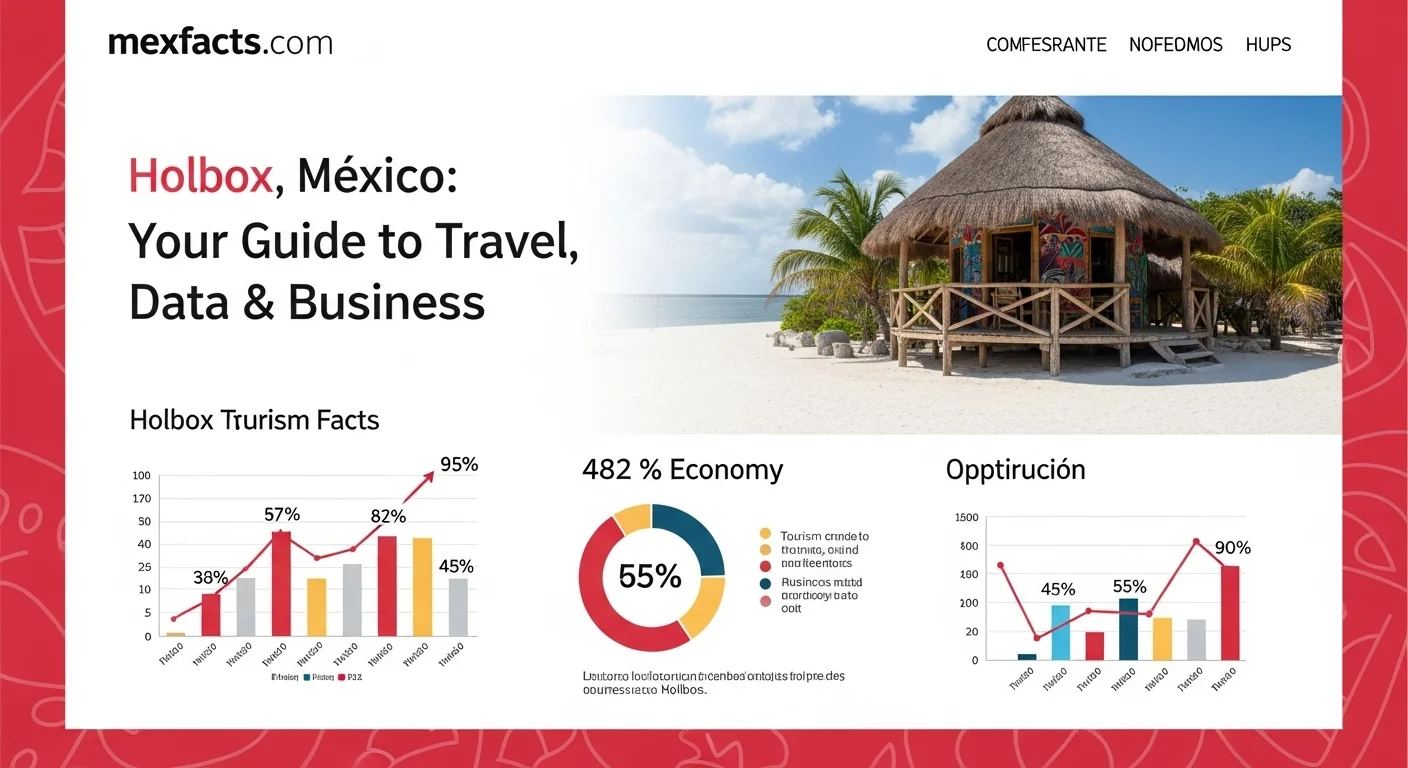
Current statistics and data about Holbox in Mexico
To truly understand what's happening in Holbox, we need to look at the numbers. They tell a powerful story of an island economy bursting at the seams. Let's break down the current data on tourism, the economy, real estate, and the logistics—like the essential cancun to holbox shuttle—that keep the island running.
Tourism Statistics: A Tidal Wave of Visitors
While official, isolated numbers for Holbox can be tricky to find, all signs point to explosive growth. What was once a secret for a few backpackers is now a mainstream destination. During high season, the island's population can swell to over 10,000 people, dwarfing the number of local residents. In fact, some reports from 2024 showed over 363,000 visitors in a single year, a clear signal of a market that's still growing.
Who is Visiting? The island attracts a global crowd. Years ago, you'd hear a lot of Italian and Spanish on the sandy streets. Now, you're just as likely to hear English from American and Canadian visitors, who find the short flight to Cancun incredibly convenient. Short-term rental data shows that about 76% of guests are international, with Americans making up the largest group. This shift shapes everything from marketing to the types of restaurants that open.
Where are they Staying? The island now has a wide range of places to stay. What started with a dozen small inns has grown to over 100 registered hotels and nearly 700 official rooms, not counting the huge market for private vacation rentals. The Airbnb scene tells a fascinating story: there are over 800 active listings on the island. The average host can make around $10,000 to $11,000 USD a year, showing just how profitable the rental market has become.
The Economic Engine: What Holbox Brings to the Table
Holbox is a powerful little engine for Quintana Roo's economy, which is the heart of Mexico's tourism industry. The state welcomed over 33 million air passengers in 2023, generating a staggering $21 billion. Holbox, with its high-value tourism model where visitors stay longer and spend more, contributes significantly to that total. For perspective, tourism is responsible for a huge chunk of the state's GDP, and Cancun's economy is one of the most tourism-dependent in the world. The money spent on Holbox—from hotels to tours to tacos—all flows into this powerful regional economy.
Jobs and the Local Economy: Tourism has created a massive job market, drawing around 6,000 workers from mainland communities, a number that has now surpassed the local population. These jobs are in construction, hotels, restaurants, and transportation. However, this influx of workers puts a huge strain on housing and basic services, creating a complex social situation.
Logistics by the Numbers: The Cancun to Holbox Corridor
The transport network that feeds Holbox is a machine with impressive stats. The journey from cancun airport to holbox is a well-oiled process.
Shuttles and Buses: The cancun to holbox shuttle market is competitive. A shared shuttle will cost you about $45-$55 USD one way, which is a great deal. A private van for a family might be around $220 USD. The ADO bus remains the go-to for budget travelers, costing about $20 USD for the 2.5-hour trip from Cancun to Chiquilá.
The Ferries: From the Chiquilá port, two ferry companies, 9 Hermanos and Holbox Express, run like clockwork. They leave every 30 minutes from early morning to late at night. A one-way ticket is about $12 USD. Think about that for a moment: this schedule allows hundreds of people to cross the lagoon every hour, a constant flow of lifeblood to the island.
By Air: For those with a bigger budget, a small airstrip on Holbox allows for private charter flights. You can fly from cancun to isla holbox in just 35 minutes, but it will cost you, with prices starting around $800 USD for a small plane.
Real Estate and Investment: A Modern-Day Gold Rush
The tourism boom has ignited a real estate 'gold rush' on Holbox, with property values going through the roof. This has created incredible opportunities for investors but also massive legal headaches over land ownership, especially concerning the 'ejido' (communal) lands. This is a common story in developing areas of Mexico, where traditional land rights clash with modern investment. The market is incredibly hot; apartment prices have been seen to jump over 10% in just a few months. This makes property a lucrative investment but also risks pricing out the local families who have lived here for generations, changing the very fabric of the island community.
Future outlook and opportunities regarding Holbox in Mexico
So, what's next for Holbox? This is the question on everyone's mind, from local fishermen to international investors. The island's future is balanced on a razor's edge between incredible economic growth and the risk of losing the very magic that makes it special. Its story will be a defining test for Mexico's approach to sustainable tourism. Let's look at the projections, the business opportunities, and the monumental challenges ahead.
Projections for Growth and Development
The world's love for destinations like Holbox isn't going away. As places like Cancun continue to grow, more travelers will seek out the authentic, off-the-beaten-path experience that Holbox offers. The economic forecast for Quintana Roo remains strong, which means more wind in Holbox's sails.
However, the most heated debate is about development. A few years ago, a controversial study suggested Holbox could handle up to 9,000 new hotel rooms. The idea of such massive growth was met with a collective gasp from environmentalists and locals who love the island. Thankfully, the conversation seems to be shifting. More recent plans focus on 'eco-tourism' development, with proposals to leave over 90% of the land untouched for conservation. This signals a move toward a smarter, more contained model of growth.
Business and Investment Opportunities
Despite the challenges, Holbox is fertile ground for smart, responsible investment. I believe the best opportunities lie in solving the very problems its growth has created.
1. Sustainable Hospitality: There is a huge demand for eco-friendly hotels. Travelers are willing to pay a premium for places that use renewable energy, conserve water, and are built in harmony with nature. A boutique hotel that is genuinely 'green' and offers unique experiences will thrive here.
2. Smarter Logistics: The cancun to holbox travel corridor is established, but there's room for improvement. Think luxury private transfers from the cancun airport to holbox using electric vehicles, or seamless all-in-one travel packages that bundle the shuttle, ferry, and on-island taxi. Making the final leg of the journey—the holbox to cancun airport transfer—as smooth as possible is key to happy customers.
3. Eco-Technology and Infrastructure: This is where the real game-changing opportunities are. Holbox desperately needs innovative solutions for waste management, clean water, and reliable electricity. Businesses that can provide small-scale systems for turning waste into energy or generating water from the air could find a very eager market and potentially a model to replicate in other delicate destinations.
4. Conservation-First Tourism: Instead of more bars, what about more low-impact, high-value experiences? Expert-led bird-watching tours, educational programs about the marine ecosystem, and truly responsible tours of the bioluminescent waters are all viable business models that also help protect the island's treasures.
The Overarching Challenges
Anyone looking to get involved in Holbox must understand the serious hurdles it faces.
• Overtourism and 'Tulum-ification': The biggest threat is that Holbox will be loved to death. Overtourism isn't an academic term here; it's the reality of overflowing trash bins and power outages during high season. There's a real fear it could become another overcrowded, overpriced destination, a phenomenon many of us call the 'Tulum-ification' of paradise.
• Infrastructure on the Brink: The island's water, sewage, and power systems were built for a small village, not a global hotspot. They are already failing. Without massive, immediate investment, the systems risk a collapse that would be devastating for both the economy and the environment.
• Environmental Damage: The pressure on the Yum Balam reserve is immense. Illegal mangrove clearing and pollution threaten the very wildlife that brings people here. I've heard from old-timers that the number of whale sharks has decreased in recent years, a worrying sign that the ecosystem is suffering.
• Governance and Land Rights: The complex legal battles over land ownership create instability and make coordinated planning nearly impossible. The island is in desperate need of a clear, enforceable development plan that puts the environment first.
Conclusion: A Vision for a Resilient Holbox
The future of Holbox hinges on a choice: short-term profit or long-term survival. The opportunities are undeniable, but they are tied directly to sustainability. The most successful businesses of tomorrow will be those that help solve the island's problems, not add to them. The journey from cancun to isla holbox brings thousands of people and millions of dollars, but it also carries a heavy responsibility. By embracing controlled growth, investing in green technology, and honoring its natural and cultural heritage, Holbox can be more than just a beautiful vacation spot. It can become a global example of how to do tourism right. For more insights into national tourism policies, the official website of Mexico's Secretary of Tourism (https://www.gob.mx/sectur) is an excellent resource.
Expert Reviews
Chloé Dubois, Traveler ⭐⭐⭐⭐⭐
My husband and I just returned from our first trip to Holbox, and this article perfectly captures the island's magic and its struggles. The advice on getting from Cancun was spot-on and saved us a lot of stress. It's more than just a beach; it has a soul, and I hope it stays that way.
Mark Chen, Sustainable Ventures LLC ⭐⭐⭐⭐⭐
As someone looking into sustainable hospitality investments in Mexico, this breakdown was invaluable. It goes beyond the tourist fluff and provides the hard data and on-the-ground challenges. The section on infrastructure needs confirmed my business case. A must-read.
Sofia Gutierrez, Returning Visitor ⭐⭐⭐⭐
I first visited Holbox over ten years ago when it was just a few palapas and one main street. This article made me feel nostalgic but also hopeful. It honestly addresses the 'Tulum-ification' risk I've been worried about. Thank you for telling the real story of this paradise.