
Things to Do in Mexico: Authentic Cultural, Culinary & Coastal Experiences

Mexico offers far more than conventional sun-and-sand getaways; it is a tapestry of living traditions, distinguished culinary regions, and dynamic regional landscapes. While millions of international travelers visit Mexico each year, the most rewarding experiences often lie in regional cultural capitals and emerging travel circuits. From the birthplaces of mariachi and tequila in Jalisco to the colonial art galleries of San Miguel de Allende, the revitalized Pacific port of Mazatlán, and the renowned vineyards of Baja California's Valle de Guadalupe, Mexico invites immersive exploration. This comprehensive guide highlights authentic things to do across Mexico, providing practical insights for cultural heritage, gastronomy, marine adventures, and cross-border itineraries.
What You'll Discover in This Guide
What Makes Mexico So Unforgettable?
Planning travel to Mexico is less about following a rigid checklist and more about immersing oneself in a mosaic of living traditions, distinctive regional cuisines, and dramatic landscapes. While renowned worldwide for its tropical coastlines, Mexico stands as a global cultural powerhouse where ancient Mesoamerican roots intertwine with Spanish colonial architecture and modern creative movements. Consistently ranked among the most visited nations globally, the country rewards visitors who look beyond resort enclaves to engage with local communities and regional heritage.
Tourism remains a cornerstone of the national economy, supporting millions of families across hospitality, culinary arts, artisanal trades, and guided excursions. Before setting out, reviewing official Mexico entry restrictions and travel documentation ensures seamless arrival. From historic urban centers and mountain enclaves to vibrant coastal destinations, meaningful travel experiences across the country connect visitors directly with authentic Mexican culture.
Cultural Immersion: The Soul of Guadalajara
To understand Mexico's traditional cultural identity, Guadalajara is an indispensable destination. As the capital of Jalisco, the metropolitan area is the historical birthplace of two of the country's most celebrated symbols: mariachi music and tequila. A cultural journey through Guadalajara naturally begins in the Centro Histórico. Anchored by the Guadalajara Cathedral with its distinctive neo-Gothic yellow spires, the colonial core reflects centuries of architectural evolution. Nearby, the Palacio de Gobierno houses monumental murals by José Clemente Orozco, depicting pivotal moments in Mexico's struggle for independence and social reform.
A short walk eastward leads to the Hospicio Cabañas (Instituto Cultural Cabañas), an early 19th-century complex designated as a UNESCO World Heritage site. Inside its chapel, Orozco's masterwork fresco, The Man of Fire (El Hombre de Fuego), commands the central dome. Beyond museum walls, Guadalajara's cultural pulse thrives in public gathering places. In the evening, the Plaza de los Mariachis resonates with traditional string-and-brass ensembles. Day trips easily extend to the town of Tequila, where blue agave fields stretch across volcanic hills and historic distilleries demonstrate traditional roasting and distillation methods. For handcrafted decorative arts, neighboring municipalities like Tlaquepaque and Tonalá showcase generations of artisan ceramicists, blown-glass makers, and weavers.
The Artistic Enclave of San Miguel de Allende
Located in the central highlands of Guanajuato, San Miguel de Allende is internationally celebrated for its preserved colonial architecture and thriving arts community. Its visual focal point is the Parroquia de San Miguel Arcángel, a neo-Gothic parish church constructed from pink quarry stone whose soaring spires overlook the central plaza (El Jardín). The town's cobblestone streets invite pedestrian exploration, lined with centuries-old courtyards, boutique hotels, and independent art galleries.
A prime creative landmark is Fábrica La Aurora, a former textile mill converted into a comprehensive arts and design center. Visitors can explore functioning artist studios, view contemporary painting and sculpture exhibits, and observe craftsmen at work. Beyond visual arts, San Miguel de Allende offers a refined gastronomic scene and panoramic rooftop venues overlooking the surrounding hills. Visitors during community celebrations can witness traditional callejoneadas—festive walking parades led by local musicians and towering mojigangas (papier-mâché puppets) that celebrate regional folklore.
The Beating Heart of Mexican Tourism: Trends and Key Destinations
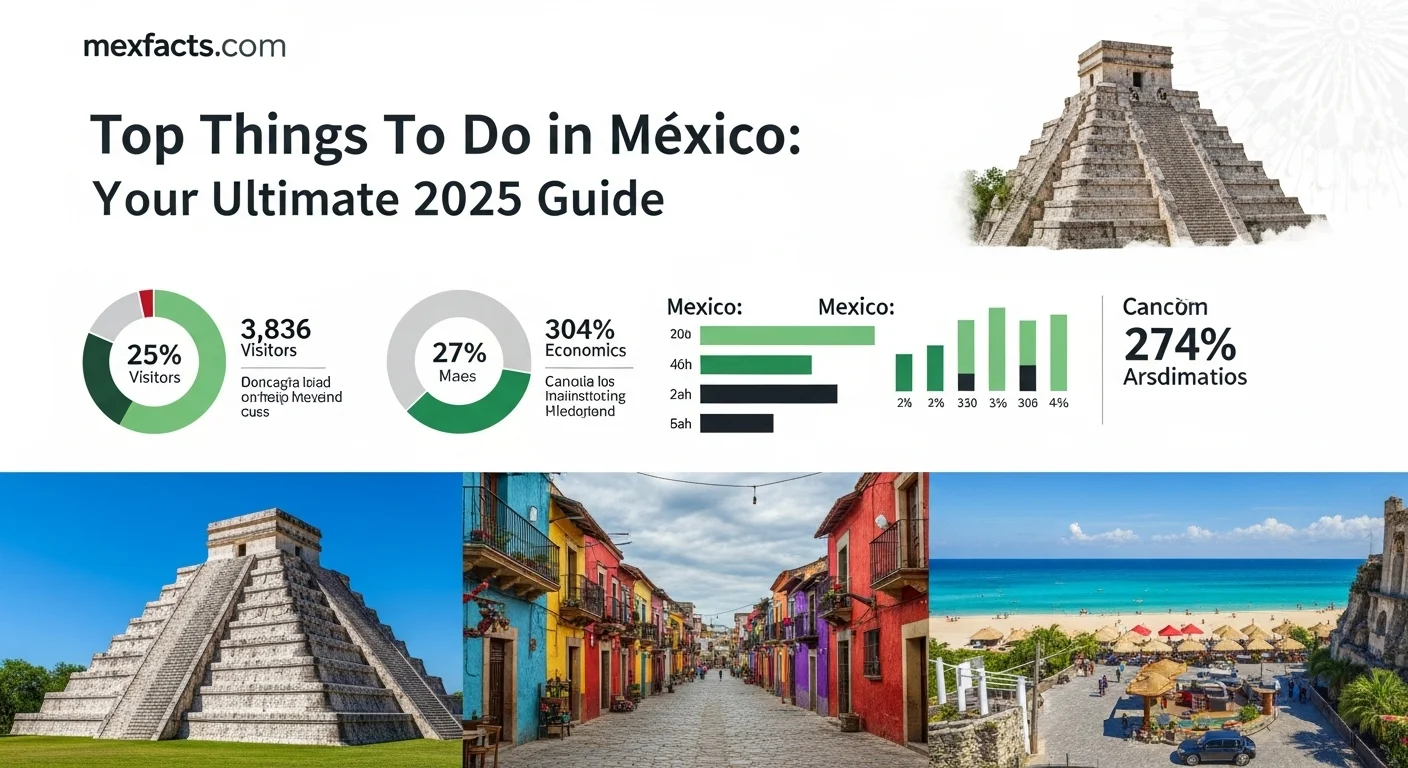
The enduring appeal of Mexico is documented by official tourism data. According to reports from the Secretariat of Tourism (SECTUR) and the National Institute of Statistics and Geography (INEGI), Mexico welcomed over 45 million international tourists in 2024, demonstrating robust global demand. While the largest shares of international arrivals enter through primary gateways such as Cancún, Mexico City, and Los Cabos, a growing segment of global travelers actively seeks regional destinations that showcase maritime biodiversity, historic preservation, and culinary depth.
North American travelers from the United States and Canada represent the largest demographic of international arrivals. Along Mexico's northwestern coastlines and northern frontiers, distinctive travel corridors offer compelling alternatives to crowded Caribbean resorts.
Pacific Coast Powerhouse: The Rebirth of Mazatlán
Mazatlán, historically known as the 'Pearl of the Pacific,' illustrates how a coastal city can balance beach leisure with cultural preservation. While the Zona Dorada (Golden Zone) continues to provide traditional resort amenities, the focal point of cultural tourism is the meticulously restored Centro Histórico. Old Mazatlán features 19th-century neoclassical buildings painted in pastel tones, centered on the lively Plazuela Machado. The plaza is bordered by open-air cafes, art galleries, and the historic Ángela Peralta Theater, which hosts classical performances and community arts festivals.
Fronting the Pacific, Mazatlán boasts one of Latin America's longest oceanfront promenades (Malecón), where visitors gather to watch traditional cliff divers leap from coastal rocks at El Clavadista or hike up Cerro del Crestón to the El Faro lighthouse for panoramic views of the bay. In 2023, the city further elevated its eco-tourism profile with the opening of Gran Acuario Mazatlán Mar de Cortés. As the largest aquarium in Mexico and Latin America dedicated to the biodiversity of the Sea of Cortez, the facility serves as an educational center highlighting hundreds of marine species and conservation initiatives.
Baja's Coastal Gem: Wine and Waves in Ensenada
Situated roughly 70 miles south of the Tijuana-San Diego border on the Baja California peninsula, Ensenada combines Pacific adventure with world-renowned gastronomy. The port city serves as the gateway to the Valle de Guadalupe, Mexico's premier viticultural region. Producing the vast majority of Mexican wine, the valley features hundreds of boutique wineries, architectural tasting rooms, and farm-to-table restaurants highlighting Mediterranean microclimates and varietals like Nebbiolo, Tempranillo, and Chenin Blanc.
Ensenada's culinary renown is equally rooted in its street food culture, particularly the world-famous Baja fish tacos, celebrated for fresh Pacific catches, light tempura batter, and shredded cabbage. For nature enthusiasts, the surrounding coast offers deep-sea sportfishing and opportunities to watch migrating whales as Pacific gray whales travel through coastal waters between December and April. Just south of the city, La Bufadora presents one of North America's largest natural marine blowholes, shooting ocean spray dozens of feet into the air.
Cross-Border Adventures and Northern Routes
For adventurous overland travelers, Mexico's northern frontier functions as a gateway to multi-destination regional circuits. Rather than treating the border strictly as a transit point, travelers exploring the American Southwest—such as Carlsbad Caverns or southern New Mexico—can connect with compelling cultural landmarks in Northern Mexico border gateways and surrounding states.
Cross-border overland itineraries unlock extraordinary UNESCO World Heritage sites such as the ancient pre-Columbian adobe ruins of Paquimé in Casas Grandes, Chihuahua, as well as the historic winemaking oasis of Parras de la Fuente in Coahuila. Integrating northern Mexican destinations into regional road trips provides deeper perspective on regional cuisine, colonial mining history, and desert ecology.
The Evolution of Mexican Travel: Sustainable Tourism and Regional Circuits
The landscape of travel across Mexico is undergoing a fundamental transformation. Global traveler preferences are pivoting toward experiential and sustainable journeys that emphasize environmental stewardship and direct community engagement. Tourism forecasts consistently project that travel will remain a vital economic engine, generating employment and infrastructure development. The primary evolution lies in how destinations manage growth and welcome visitors.
Community-based tourism initiatives, indigenous craft cooperatives, and eco-lodges are expanding across the country. From biosphere reserves to indigenous artisan villages, these initiatives ensure that tourism revenue directly supports local conservation and cultural preservation rather than solely large-scale resort developments.
Regional Growth and Specialized Travel Experiences
This shift toward specialized tourism is visible across distinct Mexican destinations. In Guadalajara, growth extends from cultural heritage to a thriving technology and entrepreneurial ecosystem. Often referred to as Mexico's technology hub, the city attracts business travelers, creative professionals, and digital nomads seeking coworking infrastructure, boutique business hotels, and vibrant urban dining.
In Mazatlán, municipal investments in historic preservation have catalyzed boutique hotel openings within restored colonial homes, complementing traditional beach tourism with heritage walking tours and coastal culinary experiences.
Across Ensenada and the Valle de Guadalupe, sustainable hospitality has become paramount. Wineries and eco-resorts increasingly adopt solar energy, greywater recycling, and low-impact architectural designs to protect the delicate semi-arid ecosystem while providing world-class enogastronomic experiences.
In San Miguel de Allende, the travel market centers on luxury wellness retreats, bilingual fine arts workshops, and architectural preservation, reinforcing its reputation as one of Latin America's most distinguished cultural enclaves.
Iconic Rail Journeys and Regional Connections
Travelers seeking comprehensive multi-region journeys can explore legendary routes such as the Chepe Express passenger train through Chihuahua's Copper Canyon (Barrancas del Cobre). Traversing mountain passes four times the size of the Grand Canyon, this rail expedition connects indigenous Rarámuri cultural regions with high-altitude pine forests and subtropical river valleys before descending toward the Pacific coast of Sinaloa.
Practical Tips for Planning Your Mexico Journey
To make the most of travel in Mexico, advance planning is essential. Seasonal weather varies considerably: while coastal regions enjoy warm, dry winters, high-altitude cities like Guadalajara and San Miguel de Allende experience cool evening temperatures. Booking regional transit, domestic flights, and guided cultural tours well in advance ensures availability during peak holiday seasons.
Travelers should always exercise standard travel awareness, rely on licensed transportation services, and consult official travel advisories when navigating regional routes. For verified destination information, event calendars, and travel guidelines, the official Mexican tourism portal, VisitMexico.com, provides an authoritative starting point for trip planning.
Expert Reviews
Isabella Rossi ⭐⭐⭐⭐⭐
My husband and I used this guide to plan our anniversary trip, and it was pure magic. We followed the advice for San Miguel de Allende and ended up on a 'callejoneada'—it was the highlight of our visit! This isn't just a list of things to do; it feels like getting advice from a friend who truly loves Mexico. Thank you!
David Chen ⭐⭐⭐⭐
I travel to Guadalajara frequently for business, but this article opened my eyes to the cultural richness I was missing. The insights on the city's history and the side trip to Tequila made my last trip far more rewarding. It’s a great blend of cultural context and modern opportunities.
Mark Jenkins ⭐⭐⭐⭐⭐
The tip about combining a trip to Carlsbad, NM, with exploring Baja was brilliant! We spent a weekend in Ensenada and the Valle de Guadalupe after visiting the caverns. The food scene was unbelievable. This guide understands how adventurous travelers think.