
Mexico's Two Seasons: A Guide to Sun, Rain, and the Rhythm of Life

If you ask someone from Mexico about the seasons, they likely won't mention spring, summer, fall, and winter. We live by a different, more ancient clock: the sun-drenched dry season and the life-giving rainy season. This simple, two-part rhythm is the pulse of our country, shaping everything from when we plant our corn to the vibrant festivals that fill our streets. It dictates the ebb and flow of tourism, our billion-dollar industry, creating high and low seasons that affect local life, prices, and business. This article is your personal guide to understanding these nuances. We'll travel from the turquoise shores of the Caribbean to the wild Pacific coast, exploring how the seasons paint different experiences. I'll share how world-class hotels, like the Four Seasons in Cancún and near Sayulita, have learned to dance with this rhythm, and we'll look at the real opportunities this presents for travelers and businesses seeking an authentic connection with Mexico.
What are Mexico's Seasons? The Real Story
When people from other parts of the world talk about 'seasons,' they think of four distinct chapters in a year. But here in Mexico, our story is simpler and, in my opinion, more poetic. For most of our vast and beautiful country, the year is split into two main acts: the dry season (temporada de secas) and the rainy season (temporada de lluvias). This is the fundamental truth that governs our agriculture, our celebrations, and, for the world, our tourism and business calendars. Understanding this duality is key, as it influences when millions of people visit, how companies invest, and how everyone from a local guide to a luxury hotel plans their year.
Our dry season, which I've always called the 'golden months,' typically runs from November to April. It brings endless sunshine, delightfully low humidity, and perfect temperatures across most of the country. It’s no wonder this is our peak tourist season. Our friends from colder climates in North America and Europe flock to our beaches and ancient sites to escape their winter. It's a wonderful, vibrant time that fills our towns with energy and our economy with life, but it also means you'll share your paradise with more people and prices will be at their highest. Then comes the rainy season, from about May to October. Don't let the name fool you. It doesn't mean constant rain. It means warm, humid days often punctuated by a spectacular, soul-cleansing afternoon downpour that washes the dust away and leaves the evenings cool and fresh. The whole country turns a brilliant, deep green. It's also when hurricane season officially falls, a crucial fact for our coastal communities. Grasping this simple wet-and-dry cycle is the first step to truly connecting with Mexico, as it affects everything from flight prices to whether your beach wedding will have a dramatic sky or a clear one.
The Economic Heartbeat of Seasonality
The economic pulse of Mexico beats in time with these seasons. Our tourism industry, a massive part of our national identity and GDP that employs millions, lives by this rhythm. The high season is a wonderful frenzy of activity that can push our infrastructure to its limits but ensures prosperity. The low season, or 'green season' as I prefer to call it, presents a different challenge: keeping businesses humming and our talented hospitality workers employed. This cycle has made us incredibly adaptive. For investors, these patterns reveal unique opportunities. The quieter months are a perfect time for renovating hotels, training staff, and building for the future. Plus, a growing number of savvy travelers prefer the green season for its lower prices, smaller crowds, and the breathtakingly lush landscapes.
This adaptability is perfected in the luxury hotel world. Five-star resorts have to deliver an unforgettable experience no matter the weather. Take the beautiful Four Seasons Resort in Cancún, for example. In the sun-drenched high season, it's a bustling haven for international guests seeking that perfect Caribbean beach escape. Come summer, they masterfully shift their focus, highlighting incredible indoor spa treatments, world-class culinary journeys, or cultural trips that are sheltered from the afternoon rains. They also become a hub for business conferences and grand events, which are less tied to the weather, ensuring the resort stays vibrant year-round. This is the art of business in Mexico: learning to waltz with the seasons.
Regional Rhythms: Cancún vs. The Pacific Coast
Mexico is huge, so the seasons don't feel the same everywhere. Our dry north has a different character from our tropical south. For travelers, two coasts really tell the story: the Caribbean, with its star player Cancún, and the Pacific, home to the Riviera Nayarit and the charming town of Sayulita.
In Cancún, tour companies like Seasons Tours have built their entire business around this cadence. In the dry winter, they're busy guiding people through the majesty of Chichén Itzá or on sailing trips to Isla Mujeres. During the wetter summer, they pivot beautifully, showcasing the magic of our underground cenotes—cool, natural swimming holes perfect for a refreshing dip—or activities that embrace the vibrant, just-washed feel of the jungle after a rain shower. Their success comes from this deep, intuitive understanding of the local climate.
Travel across the country to the Pacific, and you'll find the Riviera Nayarit. It's a stunning coastline that's home to both exclusive resorts and laid-back surf towns like Sayulita. The seasonal experience here is just as vital. Anchoring the luxury scene is the magnificent Four Seasons Resort Punta Mita, located just a short drive from Sayulita. People searching for that 'Sayulita Four Seasons' experience are drawn here for its blend of wild nature and impeccable service. During the dry season, from November to May, the resort is a playground for sunbathers, golfers, and whale watchers—I've seen humpback whales breaching in the Bay of Banderas from the shore, and it's a sight that stays with you forever. Then, in the summer, the rains transform the landscape into a deep, emerald green. The resort then might curate different experiences, like jungle spa treatments, cooking classes with ingredients that are only available during that time, or surf camps to catch the great summer swells. The success of the Four Seasons near Sayulita is proof that in Mexico, with the right vision, every season is a season of discovery.
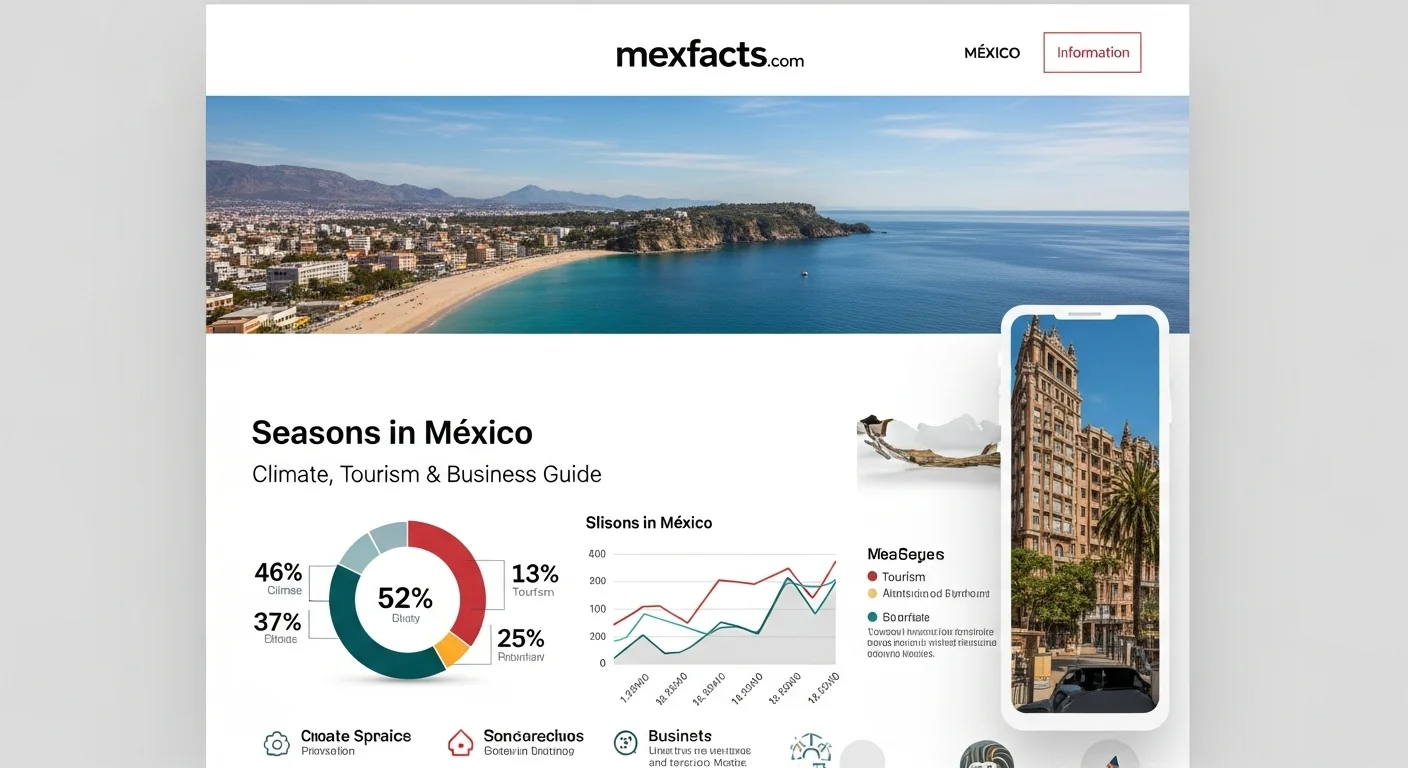
The Story Behind the Numbers: Mexico's Seasons in Data
When you look at the data behind Mexico's seasons, the numbers tell the story I've seen with my own eyes my entire life. The divide between our high season (December-April) and our green season (May-November) isn't just a feeling; it's a clear pattern in international arrivals, hotel bookings, and tourism spending. For anyone looking to do business or invest here, these statistics are the map to understanding the market's rhythm. They show the incredible energy of our peak season but also hint at the quiet, growing potential of the off-season as travelers seek more diverse experiences.
Official reports from tourism bodies like SECTUR and INEGI consistently show international arrivals peaking in the winter. While summer brings millions of visitors, many are our own countrymen and women enjoying their holidays. The high season, however, is when the airports are full of travelers from the United States and Canada escaping the cold. You can see it in the hotel numbers, too. In hotspots like Cancún and the Riviera Maya, occupancy can soar past 80% or 90% during the Christmas holidays or Spring Break. In the rainier months of September or October, it might settle into a more relaxed 60%. This directly impacts income. For many hotels, tour operators, and local artisans, a single high season can bring in the bulk of their yearly earnings. It's a cycle of feast and preparation that is essential to any business plan in Mexico's tourism world.
Luxury's Smart Approach to the Seasons
The luxury hospitality sector is a masterclass in navigating this flow. Prestigious resorts like the Four Seasons in Cancún or the one near Sayulita (in Punta Mita) don't just accept a quieter summer; they strategize to make it special. Of course, their high-season rates reflect the peak demand from global travelers. But their approach to the low season is creative. Instead of just slashing prices, they curate experiences—think 'Summer Wellness Retreats' or 'Green Season Culinary Packages' that offer incredible value. They are brilliant at marketing these to different groups, perhaps targeting visitors from southern US states who are used to summer heat, or travelers from South America who are on their own winter break, which happens to be our summer.
Furthermore, these resorts are magnets for high-end corporate events and weddings, which are often planned without regard to the season. I've seen spectacular weddings at the Four Seasons in Punta Mita in June, where the lush, green landscape after a brief rain provides a backdrop so dramatic and beautiful it rivals any sunny day. This diversification is the secret to their stability. The data would show that while their mix of guests changes with the seasons, their overall revenue stream is far more consistent than that of hotels that depend solely on seasonal tourists. This is a clear lesson for any international business: cater to a diverse clientele to smooth out the natural peaks and valleys.
The Ripple Effect on Local Life
This seasonal rhythm ripples through the entire economy. A tour operator in Cancún will tell you their data shows a huge demand for tours to the ruins of Chichén Itzá and Tulum from December to April. But in July and August, their charts show a spike in sales for cenote swims and trips to eco-parks like Xcaret, which offer plenty of shade and water activities. This knowledge lets them use their guides, vehicles, and marketing budget wisely. It’s not uncommon to see targeted online ads for 'what to do in Cancún when it rains' pop up during the summer—a smart, data-driven response to the season.
Over in the Riviera Nayarit, the ecosystem around the famed Four Seasons resort in Punta Mita tells a similar story. The high season brings not just hotel guests but also a flood of 'snowbirds' from the US and Canada who rent homes for months at a time. This creates a boom for local restaurants, surf schools, and artisan markets in nearby Sayulita. Employment data in these regions shows a significant rise in seasonal jobs during the winter, followed by a slowdown in summer. This presents a real challenge: income stability for local families. But it's also where businesses can make the biggest difference. A place like the Four Seasons, with its more stable, year-round operation, becomes a vital source of steady jobs, offering training and careers that uplift the community beyond the tourist cycle. Any company thinking of investing here must understand these local dynamics—they are the direct result of the seasons and the key to building a sustainable and respectful business.
The Future of Mexico's Seasons: What's on the Horizon?
The future of seasonal travel in Mexico is heading towards a beautiful evolution. It's being shaped by how the world is changing—new travel habits, a deeper desire for sustainability, and the undeniable realities of our changing climate. While the classic high-season/low-season rhythm will remain, the lines are beginning to blur. I see a future with a more balanced, year-round tourism model, which opens up incredible new opportunities for travelers, investors, and local communities. It also brings challenges that will ask us to be more innovative and responsible.
One of the biggest shifts I'm seeing is the rise of the 'work-from-anywhere' culture. This new generation of digital nomads and long-stay travelers isn't tied to a two-week vacation schedule. They are often looking for authentic immersion and will intentionally choose the 'low season' for its better prices and more relaxed vibe. This is a golden opportunity. We can market our towns as perfect year-round bases for remote work, complete with great internet and community experiences. Luxury properties like the Four Seasons in Cancún and near Sayulita are perfectly suited for this, offering a slice of paradise that doubles as a productive office. The challenge for Mexico is to build out the infrastructure to support this, ensuring even smaller towns have the connectivity and resources to welcome these new, temporary locals.
A Greener Future for All Seasons
The growing global call for sustainable and responsible travel is a powerful force that will reshape how we think about seasons. The intense pressure of the high season on our natural resources—our water, our reefs, our jungles—is a serious concern. In response, I'm proud to see a push towards eco-tourism and community-led projects that are naturally more sustainable and don't depend on huge crowds. This opens doors for investment in eco-lodges, tours of regenerative farms, and nature experiences that are magical at any time of year. I've always believed our rainy season is the most beautiful time. The jungle is bursting with life, the birds are more vocal, and the air is clean. Tour operators in places like Cancún could create 'Green Season' adventures that celebrate this lushness and help fund local conservation.
The luxury world has a chance to lead by example. A resort like the Four Seasons near Sayulita, nestled in a stunning natural reserve, can set the standard for sustainable luxury. By investing in things like water recycling, eliminating single-use plastics, sourcing food from local organic farms, and offering guests a chance to participate in sea turtle conservation, they can attract a growing market of travelers who want their vacation to have a positive impact. The story of a stay there can become one of 'conscious luxury,' helping to ease the strain of the peak months and build a stronger, more resilient local economy.
Meeting Challenges with Innovation
Of course, we face challenges, the most significant being climate change. Warmer temperatures and more unpredictable hurricane seasons could disrupt our traditional patterns. This requires us to be proactive. We must invest in more resilient infrastructure and better warning systems. For businesses, it demands flexibility. A hotel like the Four Seasons in Cancún must have flawless safety protocols and the agility to manage bookings if a storm approaches, reassuring travelers with clear communication and fair policies.
Technology will be our greatest ally here. By analyzing weather patterns and booking trends, businesses can become more predictive. Imagine a tour operator in Cancún seeing a forecast for a clear week in September and launching a flash sale to attract spontaneous travelers. The future isn't about thinking in broad 'wet' or 'dry' strokes, but in managing 'micro-seasons' with data and creativity. Mexico will always be a top destination, but our long-term success will depend on how wisely we adapt and manage the rhythm of our seasons. The opportunities are immense for those who are ready to innovate and embrace a more sustainable, balanced, and heartfelt approach to sharing the magic of our country.
Expert Reviews
Sarah and Tom, from Chicago ⭐⭐⭐⭐⭐
My husband and I were hesitant to visit Cancún in July, but this article convinced us to try the 'green season.' It was incredible! The afternoon rains were short and refreshing, the crowds were smaller, and the jungle tours felt so much more alive. We saved money and had a much more authentic experience. Thank you!
Elena García, Founder of Maya Adventures ⭐⭐⭐⭐⭐
As a small tour operator in the Riviera Maya, this piece perfectly captures the challenges and opportunities of our seasonal economy. We've started developing 'rainy day' cenote tours and cultural workshops, and it's helped us keep our amazing staff employed year-round. A very insightful read.
Mark Chen, Digital Nomad ⭐⭐⭐⭐⭐
I used this guide when planning my 3-month stay in Sayulita. Understanding the seasonal shift was key. I arrived in April to enjoy the last of the dry season and stayed through June to see the landscape transform with the rains. The advice here is spot-on and goes beyond the typical tourist fluff.