
Cancun's Cenotes: Swimming in Sacred Waters & Mexico's Hidden Worlds

When people talk about the Yucatán Peninsula, especially the areas around Cancun, they often mention the stunning cenotes. I've had the privilege of exploring many of them over the years, and I can tell you they are so much more than just beautiful swimming holes. These natural limestone sinkholes are Mexico's gift to the world, a direct window into our planet's wild geological past and the spiritual heart of the ancient Maya, who saw them as sacred portals to the gods. For anyone visiting from abroad, the 'Cenotes Cancun' experience is truly unique. It’s an adventure that takes you away from the beach resorts and deep into the jungle, swimming in crystal-clear water that has been filtered by the earth for centuries. Economically, they are a lifeline for many local communities, creating a tourism economy that is more intimate and authentic. They are also vital ecosystems, home to unique life forms and the main source of fresh water for the entire region. Their growing fame brings amazing opportunities for sustainable businesses but also a great responsibility to protect them. Understanding the magic of the cenotes is key to appreciating the rich natural and cultural soul of Mexico.
Table of Contents
- What are Cancun's Cenotes and Why Do They Matter?
- The Geological Birth: A Story of Cosmic Proportions
- The Mayan Connection: Portals to a Spiritual World
- International Appeal and a New Kind of Economy
What are Cancun's Cenotes and Why Do They Matter?
The phrase 'Cenotes Cancun' has become a call to adventure for travelers from all over the world. It refers to the incredible network of natural wells, or cenotes, found across Mexico's Yucatán Peninsula, with Cancun being the main hub for exploring them. The first time I swam in one, the feeling was unforgettable—like entering another dimension. These are not just attractions; they are a direct link to a cosmic event, the lifeblood of an ancient culture, and a cornerstone of our regional ecosystem. The word cenote comes from the Mayan 'dzonot,' which means 'sacred well,' and that name holds deep truth. The Yucatán has no surface rivers; all our fresh water flows through a massive underground river system. Cenotes are the magical openings to this hidden world. There are thousands of them, maybe as many as 10,000, dotting the landscape. Each one is different. Some are fully open to the sky like a jungle oasis, others are semi-open where sunlight streams through a hole in the ceiling, and some are deep, mystical caverns that call to experienced divers. This variety means there's a cenote experience for everyone, from families looking for a peaceful swim to adventurers seeking a challenge.
The Geological Birth: A Story of Cosmic Proportions
The story of our cenotes is truly epic. It begins 66 million years ago with the Chicxulub asteroid impact—the very same cataclysm that is believed to have led to the extinction of the dinosaurs. It struck right here, off the northern coast of the Yucatán. The impact shattered the limestone platform, creating the blueprint for the entire cenote system. Over millions of years, as oceans rose and fell, rainwater, which is slightly acidic, seeped through the porous rock, slowly carving out immense underground caves and rivers. When the ceilings of these ancient caverns finally gave way, a cenote was born. Knowing this adds a layer of awe to every visit; you are literally swimming in a landscape sculpted by a world-changing event. For scientists, the 'Ring of Cenotes,' a semicircle of sinkholes that perfectly outlines the crater's rim, is a living laboratory for understanding our planet.
The Mayan Connection: Portals to a Spiritual World
For the ancient Mayan people who thrived here for thousands of years, cenotes were everything. They were the only source of fresh water, allowing great cities like Chichén Itzá to flourish. But their meaning went far deeper. The Maya believed cenotes were sacred portals to Xibalba, their spiritual underworld, a place where they could speak with the gods. I always feel a sense of reverence at these sites. They were the center of religious life, where ceremonies and offerings of precious jade, pottery, and gold were made. Archaeologists have also confirmed that some cenotes were sites for human sacrifices, powerful rituals to appease gods like Chaac, the bringer of rain, in times of drought. This profound history is a huge part of their magic. When you swim in a cenote, you're not just cooling off; you're connecting with a rich and complex past that continues to fascinate the world. Promoting the best cenotes in Cancun isn't just about showing off beautiful spots, but about sharing these incredible stories and protecting these cultural heritage sites.
International Appeal and a New Kind of Economy
The global reputation of cenotes cancun is built on adventure, pristine nature, and a touch of mystery. For travelers tired of the typical beach vacation, the chance to explore these hidden worlds is magnetic. Snorkeling or diving in a cenote is like nothing else—the water is so clear you feel like you're flying, and the ancient stalactites and stalagmites create breathtaking underwater cathedrals. The term cenote cancun mexico now represents a unique travel adventure that has wonderfully diversified what Mexico offers to the world. And this appeal creates real economic benefits. The 'Ruta de los Cenotes' near Puerto Morelos is a perfect example. I've driven it many times and have seen it grow. It's a stretch of road lined with dozens of cenote parks, many run by local families, that provide jobs and support the community. They range from simple, rustic spots to big eco-parks with ziplines and restaurants. A favorite for many is the Cenote Jardín del Edén, a massive open-air cenote that feels like a slice of paradise. It's famous for its clear water and the platforms where you can jump in. Any tour agency focused on it would highlight its perfect blend of easy relaxation and thrilling fun. This business model shows how tourism can empower local people and create a sustainable income that goes beyond the giant coastal resorts, sharing the benefits more deeply within the region.
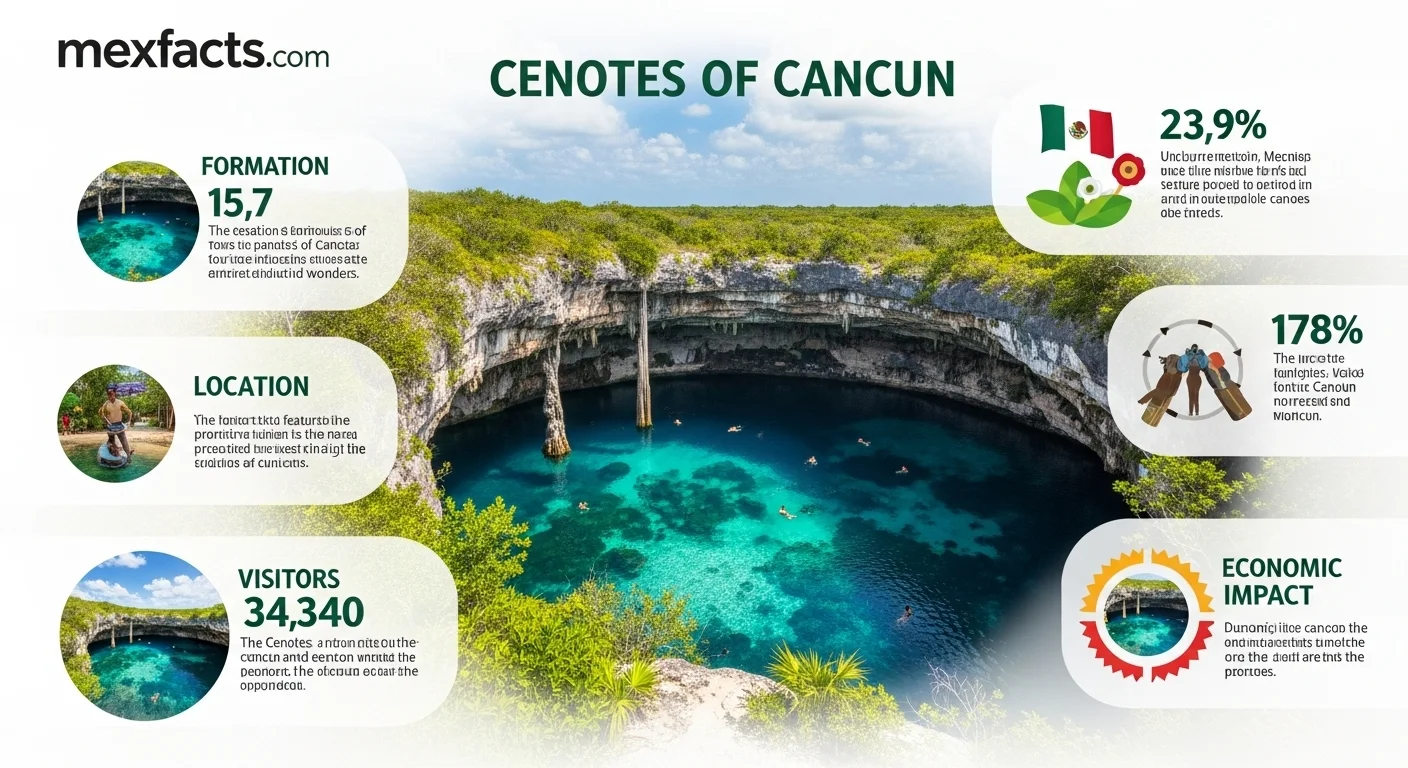
The Current Picture: A Look at the Numbers for Cenotes Cancun
When you look at the statistics, it becomes clear just how vital the cenotes cancun have become to the economy of Quintana Roo and all of Mexico. Their allure is a powerful magnet, pulling people away from the beach to discover something deeper and more authentic. While it can be tricky to find numbers just for cenote visits, the trends in ecotourism tell a powerful story of their rising importance. Especially when issues like sargassum seaweed affect the coast, I've seen firsthand how cenotes become the beautiful, reliable alternative for travelers, with places like Tulum reporting huge jumps in visitors.
Visitor Numbers and Tourism Trends
Cancun's airport is the main welcome mat for international visitors to Mexico. In 2023, it saw over 10 million international passengers—each one a potential cenote explorer. The recovery after the pandemic has been incredibly strong, with tourism numbers in early 2025 soaring well above pre-pandemic levels. This massive influx of travelers directly fuels the cenote economy. While many come for the all-inclusive resorts, more and more people are craving real experiences, pushing them to venture out. Every tour operator in Cancun and the Riviera Maya will tell you that cenote trips are among their bestsellers. The 'Ruta de los Cenotes' is living proof, buzzing with activity every day. One recent report even suggested that visits to Tulum's cenotes jumped by 40% in the last year, driven by people seeking more sustainable and memorable trips.
The Economic Ripple Effect
The money that cenotes bring in is felt in many ways. First, there's the direct income from entrance fees, which can range from about $5 USD for a small, community-run cenote to over $25 USD for a large park with all the bells and whistles. A popular spot can earn a significant income. Take a place like Cenote Jardín del Edén, a favorite for divers, where the entrance fee is modest, around $15 USD. But the impact goes far beyond the ticket booth. Cenotes support a whole ecosystem of businesses:
Transportation
Taxis, tour vans, and rental cars are essential for reaching these jungle gems. I've talked to many drivers who make their living taking families and adventurers from their hotels to the cenotes. A private ride is a good fare and provides a direct income.
Tour Agencies
Tours focused on cenote cancun mexico are a huge business. They package everything—transport, tickets, snorkel gear, and sometimes lunch—into experiences that can cost anywhere from $50 to over $150. A smart travel agency would create special tours, like a sunrise photography trip to Jardín del Edén, tapping into its unique beauty.
Local Jobs
Cenotes provide jobs for guides, maintenance staff, and lifeguards, often hiring from nearby Mayan communities. This is so important because it offers work outside the big hotel zones and helps keep local culture alive by sharing it with visitors.
Food and Shopping
Many cenote parks have small restaurants or snack bars and shops selling local crafts. It's wonderful to see tourists buying beautiful handmade souvenirs, knowing the money is supporting local artisans. Some markets near cenote routes have seen sales jump by as much as 30%.
The Environmental Reality and a Call for Conservation
This success story comes with a heavy weight of responsibility. The Yucatán's aquifer is a single, interconnected system—what happens in one spot can affect the entire network. This is the drinking water for over 2 million people. The data shows some worrying trends:
Water Quality
A major concern is pollution. Sadly, studies have found contamination from untreated sewage and other pollutants in many cenotes. Very little of the wastewater that goes back into the ground is properly treated. This comes from many sources, including agriculture and growing towns. As visitors, we also have a role to play. The chemicals in normal sunscreens and bug sprays can harm the fragile life in the water, which is why many cenotes now insist on biodegradable versions or ask you to shower before entering.
Waste and Cleanup
Unfortunately, some cenotes have been treated as dumps in the past. But there is hope. I've been inspired by the huge community cleanup efforts. Between 2018 and 2022, volunteers, many of them divers, removed over 21,000 kilograms of waste from our cenotes. It shows a growing awareness and love for these places.
Pressure from Development
The popularity of cenotes drives more development, which can lead to clearing forests and harming the delicate land. Big projects like the Tren Maya add another layer of pressure. There's a constant, passionate debate here in Mexico about how to find the right balance between progress and preservation. These numbers tell a clear story: the cenotes cancun are a booming economic engine and a fragile natural treasure. It's a wake-up call that we need smart, sustainable ways to manage them to protect their magic for generations to come.
The Future of Cancun's Cenotes: Opportunity and Responsibility
The future of cenotes cancun is at a fascinating crossroads, balanced between incredible opportunities and serious risks. The path we take will depend on everyone—government, businesses, local communities, and visitors—working together toward a shared goal of sustainable growth. Global travelers are increasingly seeking authentic, eco-friendly experiences, which puts our cenotes in a perfect position. But we have to manage this growth with wisdom and a deep respect for nature, or we risk losing the very magic that draws people here.
A Vision for Sustainable Tourism
Travel has changed. People want more than a simple vacation; they want a meaningful connection. The outlook for tourism in Mexico is bright, and for the cenotes near cancun, this means a steady and growing stream of visitors. The future will be shaped by these key ideas:
Deeper, Niche Experiences
I believe the future lies beyond general sightseeing. Growth will come from specialized tourism. Imagine certified cave diving courses in the world's most stunning underwater systems, professional photography workshops capturing the light beams that pierce the water, or wellness retreats centered on the profound peace of a secluded cenote. There's even a growing interest in scientific tourism, where visitors can help fund and participate in conservation work, like monitoring water quality or cataloging wildlife.
Smarter Regulation and Management
To protect these treasures, we can expect to see better regulations. This might mean standardizing water tests, making biodegradable sunscreen mandatory everywhere, and setting capacity limits at popular sites to prevent them from being loved to death. Government agencies will be key in enforcing these rules. A successful future might include a 'sustainability certification' for cenotes, celebrating the operators who do it right.
Community-Led Tourism
The most powerful and authentic experiences I've had have been at cenotes managed by local Mayan communities and *ejidos* (communal lands). I truly hope this is the future. These initiatives make sure the economic benefits stay local and that development respects cultural values. Ethical travel companies are already starting to seek out and partner with these community projects.
Business and Investment with a Conscience
For smart and responsible investors, the world of cenote cancun mexico is full of potential. The secret is to focus on businesses that improve the visitor experience while protecting our natural and cultural heritage.
Eco-Friendly Development
There's a huge demand for sustainable places to stay. This means boutique eco-hotels and wellness centers built with a light footprint, using renewable energy, and blending into the jungle. The dream of a luxury jungle hideaway with its own private cenote is a powerful and marketable one.
Technology for Good
Technology can open up amazing new avenues. Think of sophisticated booking sites for cenote tours, mobile apps that teach you about Mayan history and the local ecology as you explore, or even virtual reality (VR) tours of underwater caves that are too delicate for human visitors. These tools can help manage crowds and spread awareness.
The Rise of the Sustainable Tour
Tour operators have a chance to stand out by putting sustainability first. A company specializing in trips to Cenote Jardín del Edén, for example, could build its entire brand on being the most eco-friendly way to visit. This would mean using electric transport, providing reef-safe sunscreen, donating to local conservation, and hiring expert local guides who share deep cultural insights. This is exactly what the modern, conscious traveler is looking for.
Infrastructure and Smart Growth
Big projects like the Tren Maya will make more remote cenotes accessible, opening up new areas for tourism. Investing in eco-friendly properties and businesses along these new routes could be very rewarding, as long as it's done with strict environmental planning to protect the delicate ground beneath.
The Challenges on the Path Ahead
The journey to a thriving and sustainable future for our cenotes is not an easy one. The biggest threat is still pollution and overuse. The fast-paced development along the Riviera Maya puts a huge strain on our water and waste systems. Recent reports of contamination are a serious warning. Solving this requires major public investment in infrastructure, like modern water treatment plants, and the political will to enforce our environmental laws. It's also vital to ensure that the money from cenote tourism is shared fairly with the local and Indigenous communities who are the ancestral guardians of these lands. The success of managing the best cenotes in cancun will depend on all of us working together. It requires a vision where the profits from tourism directly fund conservation, where ancient respect for these sacred places is woven into every visitor's experience, and where Mexico can proudly show the world how to build a vibrant economy in perfect harmony with its most precious natural wonders.
Expert Reviews
Laura Thompson, Family Traveler ⭐⭐⭐⭐⭐
This article perfectly captured the magic of the cenotes! We took our kids to one near Cancun based on the descriptions here, and it was the highlight of our trip. It felt safe, beautiful, and deeply special. Thank you for the wonderful and heartfelt guidance!
David Chen, Scuba Diver ⭐⭐⭐⭐⭐
As a diver, I really appreciated the focus on conservation and the realities of the ecosystem. The information on the geology and history added so much depth to my own dives in the Yucatán. It’s more than just a sport; it’s about respecting a fragile, ancient world. Great, insightful read.
Elena Garcia, History Student ⭐⭐⭐⭐
I loved learning about the Mayan connection to the cenotes. The author writes with such passion and respect for the culture. It made me see them as more than just tourist spots, but as living history. I wish I could find more articles written with this kind of personal experience.