
Is Mexico Safe to Visit? State-by-State Travel Advisories & Safety Guide
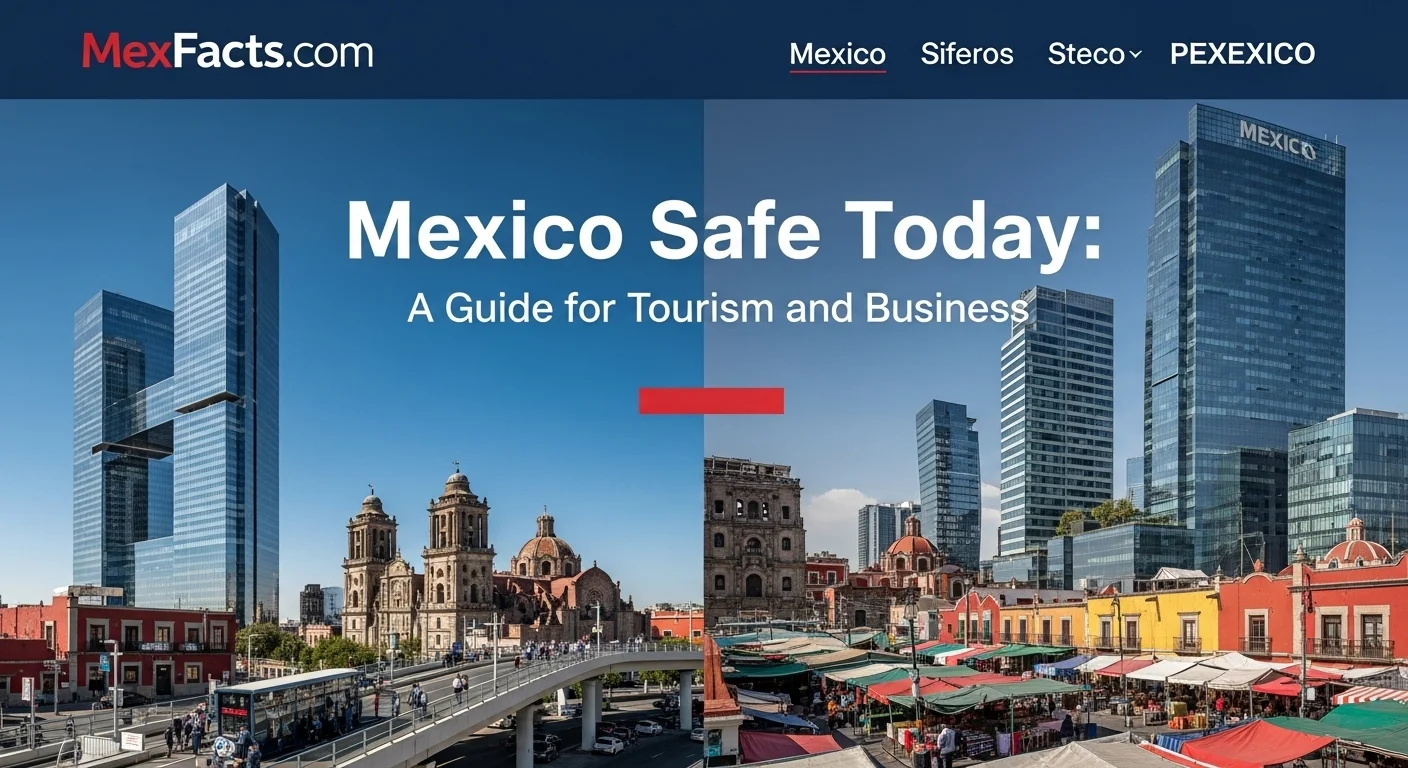
Safety in Mexico cannot be evaluated with a simple national yes-or-no verdict. Because Mexico comprises 32 federal entities spanning nearly two million square kilometers, security conditions vary drastically from peaceful colonial towns and monitored resort corridors to contested border and transit zones. International travel advisories evaluate the country state by state rather than as a uniform risk environment. For the tens of millions of international travelers who visit Mexico annually, the vast majority of trips to established leisure destinations—such as Cancún, Los Cabos, and Puerto Vallarta—as well as major metropolitan centers like Mexico City are trouble-free when standard urban precautions are observed. This guide breaks down official travel advisory levels, regional risk distinctions, highway transit rules, and practical security protocols for travelers and business visitors.
Table of Contents
- Decoding Travel Advisories: How the 4-Tier System Works
- State-by-State Risk Classification
- Media Headlines vs. On-the-Ground Traveler Reality
- Safety in Mexico's Primary Destinations
- Transit, Taxis, and Highway Driving Protocols
- Essential Security Protocols for Visitors
- Frequently Asked Questions
Decoding Travel Advisories: How the 4-Tier System Works
When assessing travel safety, major diplomatic bodies—including the U.S. Department of State, Global Affairs Canada, and the UK Foreign, Commonwealth & Development Office (FCDO)—do not treat Mexico as a single homogeneous zone. Instead, consular advisories provide granular assessments at the state and municipal levels.
The U.S. Department of State categorizes destinations using a four-tier advisory framework:
- Level 1: Exercise Normal Precautions. Security risks are comparable to those in standard Western democracies. Basic personal situational awareness is recommended.
- Level 2: Exercise Increased Caution. Heightened awareness is advised due to crime or limited local infrastructure. Most major global tourist capitals and Mexico's premier vacation regions hold this designation.
- Level 3: Reconsider Travel. Non-essential travel is discouraged due to widespread crime, civil unrest, or localized cartel activity. Several states carrying this designation contain isolated tourist centers with distinct local safety dynamics.
- Level 4: Do Not Travel. Acute security emergencies, active territorial conflict among organized criminal groups, and limited consular emergency response capabilities make leisure travel strongly advised against.
State-by-State Risk Classification
Understanding which Mexican states fall into each advisory tier enables travelers to make data-driven decisions based on official consular reporting:
- Level 1 (Exercise Normal Precautions)
- States such as Yucatán and Campeche consistently rank among the safest regions in North America. Violent crime rates here are significantly lower than in many mid-sized American or European cities, and family-oriented public life extends well into the evening hours in cities like Mérida and Campeche City.
- Level 2 (Exercise Increased Caution)
- This category includes Mexico's economic and tourism engines: Quintana Roo (Cancún, Riviera Maya, Tulum, Cozumel), Baja California Sur (Cabo San Lucas, San José del Cabo, La Paz in Baja California Sur), Mexico City (CDMX), Oaxaca, Puebla, and Querétaro. Travelers face standard metropolitan risks—primarily pickpocketing, distraction scams, and occasional property crime—rather than targeted violence.
- Level 3 (Reconsider Travel)
- States such as Baja California (including Tijuana and Mexicali), Chihuahua, Jalisco (home to Guadalajara and Puerto Vallarta), and Sonora carry this warning due to localized gang friction and transit risks. However, specific municipal enclaves—like Puerto Vallarta's hotel district or the coastal highway in southern Baja—operate with dedicated tourist police and lower risk profiles than inland transit corridors.
- Level 4 (Do Not Travel)
- The six states under strict do-not-travel advisories are Colima, Guerrero, Michoacán, Sinaloa, Tamaulipas, and Zacatecas. When researching queries such as is Sinaloa safe, consular warnings emphasize active inter-cartel conflicts, armed highway interdictions, and unpredictable security disruptions that present unacceptable risks for leisure visitors.
Media Headlines vs. On-the-Ground Traveler Reality
International news coverage frequently reports national crime aggregates that create a distorted impression of tourist vulnerability. Overwhelmingly, violent crime in Mexico stems from conflicts between rival organized crime groups disputing trafficking routes, clandestine distribution networks, and extortion rackets. These groups deliberately avoid unprovoked conflicts with foreign tourists or multinational hospitality assets, as high-profile incidents invite swift federal military deployment and intense bilateral pressure.
According to tourism data from Mexico's Secretariat of Tourism (SECTUR), over 40 million international tourists enter Mexico annually, with approximately 20 million arriving via international commercial flights. The statistical likelihood of an international visitor falling victim to violent crime in primary tourist centers remains exceptionally low, provided travelers avoid involvement in illicit activities or off-limits nocturnal areas.

Safety in Mexico's Primary Destinations
Each major Mexican destination has its own distinct security framework, physical geography, and operational norms for travelers.
Cancún, Riviera Maya, and Quintana Roo
Quintana Roo receives the highest concentration of international holidaymakers in Latin America. To protect this economic corridor, the Mexican federal government established specialized units, including the Tourist Security Battalion (Batallón de Seguridad Turística) of the National Guard, which patrols public beaches, marina docks, and hotel zones.
Visitors booking all-inclusive packages in Mexico or exploring Cancun hotel zone safety will find an environment heavily insulated from broader regional security problems. Risks are overwhelmingly limited to non-violent offenses: ATM card skimming, inflated taxi fares, jet ski rental disputes, and nightlife overcharging. When taking day trips south toward Tulum or excursions to Costa Maya, booking through registered tour operators or driving during daylight hours along Federal Highway 307 represents the safest approach. Those organizing itineraries can review verified logistics via Cancún travel planning resources.
Mexico City (CDMX)
With an urban population surpassing 9 million within the capital and over 21 million across the metropolitan valley, Mexico City functions like any global megacity. Security varies sharply between neighborhoods (colonias):
- Tourist & Business Hubs: Neighborhoods such as Roma Norte, La Condesa, Polanco, Juárez, Cuauhtémoc, and San Ángel feature continuous municipal police surveillance, active pedestrian nightlife, and flourishing culinary corridors. Walking during normal evening hours along well-lit avenues is standard practice.
- Historic Center (Centro Histórico): Safe and bustling during daytime business hours; visitors should exercise increased caution on side streets east and north of the Zócalo after shops close at dusk.
- High-Risk Peripheries: Boroughs like Iztapalapa, Gustavo A. Madero, and peripheral municipalities in the State of Mexico (such as Ecatepec or Nezahualcóyotl) should be avoided by casual travelers unless accompanied by trusted local hosts.
Baja California & Northern Border Cities
Border cities such as Tijuana present a dual reality. Tijuana records high homicide rates, but violence is heavily localized in non-tourist peripheral colonias involved in illicit trafficking corridors. The commercial core—including the Zona Río medical district, Avenida Revolución gastronomic hubs, and Playas de Tijuana—receives millions of cross-border visitors each year for dining, craft brewing, and medical appointments. Safe transit requires entering through official international ports of entry (such as San Ysidro or Otay Mesa), remaining within primary commercial zones during daylight, and avoiding secondary neighborhoods after dark.
Transit, Taxis, and Highway Driving Protocols
How you travel within Mexico has a direct impact on your safety profile. Navigating urban transit and federal highways requires following proven operational guidelines:
Highway Transit: Cuota vs. Libre Roads
Mexico operates two distinct highway systems:
- Autopistas de Cuota (Toll Roads): Always choose toll highways. They are designed for high-speed transit, feature controlled access ramps, are actively patrolled by the National Guard (Guardia Nacional), and include basic roadside insurance with toll receipts. Pavement quality is vastly superior.
- Carreteras Libres (Free Secondary Roads): Free two-lane highways pass through rural settlements, lack safety shoulders, have unlit topes (speed bumps), and carry higher risks of opportunistic vehicle interdiction in contested states.
- Golden Rule of Road Travel: Never drive between cities after sunset. Always complete highway travel during daylight hours, plan fuel stops in advance, and remain on primary toll corridors.
Urban Transportation and Rideshare Services
In urban centers like Mexico City, Guadalajara, and Monterrey, app-based rideshare platforms (such as Uber, DiDi, and Cabify) are generally safer, more transparent, and significantly less prone to fare extortion than hailing unmarked street cabs (taxis libres). In airports and major long-distance bus terminals, only use official authorized airport taxi booths (taxis autorizados) where rides are paid in advance at an official counter before boarding.
Essential Security Protocols for Visitors
Applying practical situational precautions reduces the likelihood of encountering common travel disruptions:
Financial and ATM Security
- Use Bank-Branch ATMs: Withdraw cash exclusively from automated teller machines located inside physical bank branches (such as BBVA, Santander, Banorte, or Citibanamex) during business hours, or inside guarded shopping centers. Avoid freestanding street ATMs, which are vulnerable to card skimming and robbery.
- Card Monitoring: Use credit cards with contactless payment or dynamic CVV features. Never allow waitstaff to take your credit card out of sight; request a portable terminal (terminal inalámbrica) at your table.
- Cash Management: Carry only the cash needed for daily expenses (500 to 1,000 MXN for markets, tips, and incidentals). Keep backup cards and passports stored in your hotel room safe.
Personal Conduct and Local Law
- Narcotics Zero Tolerance: Purchasing or carrying illegal drugs puts travelers in direct contact with criminal organizations and carries strict criminal penalties under Mexican federal law. The vast majority of violent altercations involving foreigners in resort areas originate from drug procurement attempts.
- Alcohol Consumption: Drink responsibly and only consume beverages from established, licensed restaurants, bars, and resorts. Never leave drinks unattended.
- Emergency Communication: Memorize 911 for police, ambulance, or fire emergencies across Mexico. For highway breakdowns or mechanical assistance, dial 078 to reach the Ángeles Verdes (Green Angels), a bilingual federal roadside assistance service operated by SECTUR.
Business Travel and Nearshoring Corridors
With Mexico experiencing record foreign direct investment driven by nearshoring manufacturing, business travel to industrial clusters—such as Monterrey (Nuevo León), Querétaro, Saltillo (Coahuila), and the Bajío region—has surged. Corporate travelers should coordinate with established executive transportation services, stay in certified business hotels near designated industrial parks or upscale business districts (e.g., San Pedro Garza García in Monterrey or Santa Fe in Mexico City), and register itineraries with their home country's consular service, such as the U.S. Smart Traveler Enrollment Program (STEP).
Frequently Asked Questions
- Is Mexico safe for solo female travelers?
- Yes, hundreds of thousands of solo female travelers visit Mexico each year. The safest destinations for solo travel include Mérida, Oaxaca City, Puerto Escondido, San Cristóbal de las Casas, and Mexico City's central colonias (Roma and Condesa). General recommendations include relying on app-based rideshares at night, staying in well-reviewed boutique hotels or hostels with 24-hour reception, and avoiding isolated beaches or unlit streets after dark.
- Is it safe to drink tap water in Mexico?
- Generally, no. Municipal water treatment systems vary, and aging transit pipes can introduce contaminants. Reputable hotels, resorts, and restaurants use commercial purification systems, safe ice, and bottled water (agua purificada). When renting private apartments, purchase bottled water or 20-liter jugs (garrafones) for drinking and brushing teeth.
- What should I do if pulled over while driving in Mexico?
- Stay calm, turn on interior lights if it is dark, keep your hands visible on the steering wheel, and present your driver's license, vehicle registration, and rental contract. If an officer alleges an infraction and requests cash on the spot (a mordida), politely request an official written ticket (infracción) to be paid at the nearest transit police station (jefatura de policía). Demanding a written ticket almost always eliminates illegitimate extortion attempts.
- How does safety in Mexico compare to European or U.S. cities?
- States holding Level 1 advisories (like Yucatán) have violent crime rates lower than many U.S. metropolitan centers. Level 2 tourist areas (like Cancún and Mexico City) have violent crime rates against tourists comparable to major European destinations like Paris or Rome, where pickpocketing and non-violent property theft are the primary concerns. The key difference is geographical contrast: high-risk areas in Mexico carry severe organized crime hazards that do not exist in Western Europe, making route planning vital.
Expert Reviews
Emily Carter, First-Time Traveler ⭐⭐⭐⭐⭐
I was so nervous about our family trip to the Riviera Maya after reading some news headlines. This article was a breath of fresh air. The author's perspective made me feel so much more prepared and confident. It breaks down safety by region in a way that just makes sense. We had an amazing and completely safe vacation, and this guide was a big reason why!
David Chen, Entrepreneur ⭐⭐⭐⭐⭐
As someone exploring manufacturing opportunities in Mexico, this article was incredibly valuable. It cuts through the noise and provides a nuanced view of the security situation that is essential for business planning. The distinction between general media hype and the reality in key industrial corridors is spot-on. Highly recommended for any investor looking at Mexico.
Isabella Rossi, Expat Living in Mérida ⭐⭐⭐⭐
A very accurate and well-balanced take on safety in Mexico. As someone living here, I often struggle to explain the reality to friends back home. This article captures it perfectly—the good, the challenging, and the beautiful. The author's personal tone and emphasis on regional differences are what make this so much better than a generic travel advisory.