
Cheapest Month to Visit Mexico: Seasonal Price Guide and Booking Tips
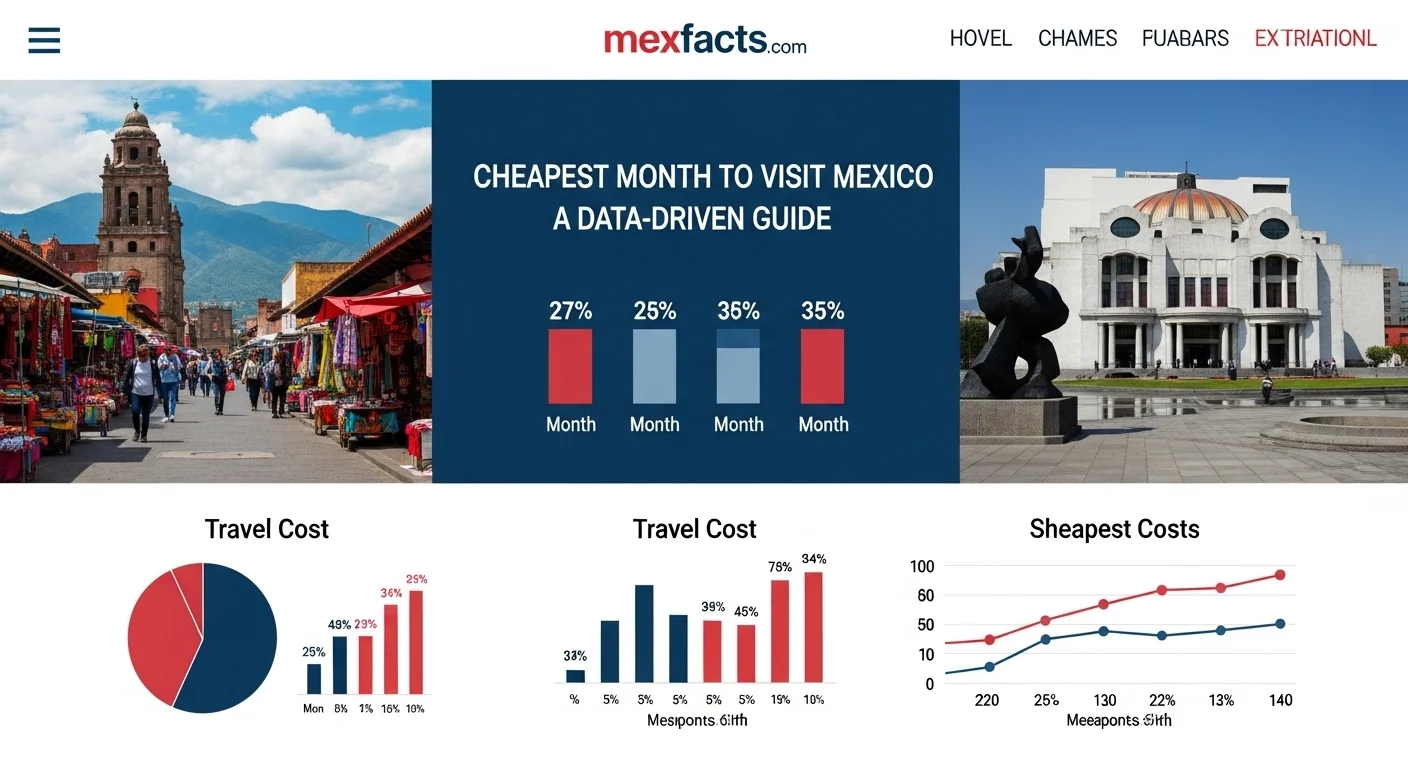
Travelers seeking the lowest prices for a Mexican getaway will find that September is consistently the cheapest month to visit Mexico, closely followed by October and late August. During this late-summer and early-autumn window, airfares and hotel rates across major resort hubs and inland cities reach annual lows as the North American summer holiday season winds down and regional rainfall peaks. While secondary discounts emerge during late spring (May to early June), planning a trip during the cheapest months requires understanding regional weather nuances, including Atlantic and Pacific tropical storm patterns. This comprehensive guide breaks down seasonal pricing trends, regional cost differences, and actionable strategies to secure substantial savings without compromising your travel experience.
What's Inside This Guide
- The Cheapest Months to Visit Mexico: Direct Answer and Seasonal Overview
- High, Shoulder, and Low Seasons Explained
- Regional Variations: Caribbean, Pacific, and Central Mexico
- Flight and Hotel Cost Breakdown
- Navigating Seasonal Weather: Rain, Hurricanes, and Sargassum
- Actionable Booking Strategies for Budget Travelers
- Frequently Asked Questions
The Cheapest Months to Visit Mexico: Direct Answer and Seasonal Overview
If your primary travel goal is minimizing overall expenditure on flights and lodging, September ranks as the single most affordable month to visit Mexico. Across major booking engines and hospitality tracking platforms, average daily room rates and round-trip airfares drop significantly during September, with substantial discounts extending into October and late August.
This annual price dip is driven by three main factors:
- Academic Calendars: Families and university students return to school in late August across the United States, Canada, and Mexico, causing international leisure demand to drop sharply.
- Tropical Storm Season: September is climatologically the most active month of the Atlantic and Eastern Pacific hurricane seasons, which dissuades casual travelers and prompts resorts to offer promotional pricing.
- Elevated Precipitation: In many central and southern destinations, the summer rainy season reaches its height in September, bringing frequent late-afternoon showers.
For travelers interested in a balance between favorable climate and moderate rates, early shoulder periods such as May and early June also offer noticeable relief compared to winter peaks, before summer family vacation traffic begins.
High, Shoulder, and Low Seasons Explained
Understanding Mexico's tourism calendar is essential for evaluating when deals are genuine and what compromises they require. The country's travel year is broadly divided into three distinct seasons:
1. High Season (Mid-December through April)
High season coincides with winter in North America and Europe. Travelers flock to Mexico for dry, sunny weather and warm coastal temperatures. Demand peaks sharply around Christmas, New Year's Eve, Spring Break (March), and Semana Santa (Holy Week leading up to Easter). During these months, airlines and hotels operate near peak capacity, commanding the highest rates of the year. To compare overall climate patterns across different regions during this period, explore our comprehensive guide to the best time to visit Mexico.
2. Shoulder Season (May to Early June, and November)
The shoulder season offers a compelling middle ground between price and comfort. In May, crowds thin out significantly following Spring Break, and temperatures begin to climb. November represents an especially appealing window: the Atlantic hurricane season is drawing to an end, rainfall diminishes, and lush green landscapes remain, yet holiday price surges have not yet taken effect.
3. Low Season (July through October, Peaking in September)
The low season delivers rock-bottom rates. While domestic Mexican tourism experiences a brief July surge during school vacations, international bookings plummet from late August through October. September represents the absolute floor for pricing, making it the premier target for travelers seeking a high-value cheap Mexico vacation.
Regional Variations: Caribbean, Pacific, and Central Mexico
Mexico is a geographically diverse country with distinct regional microclimates and pricing dynamics. The magnitude of off-season savings varies depending on your chosen destination:
The Mexican Caribbean (Cancún, Riviera Maya, Tulum)
The Caribbean coastline experiences the most pronounced seasonal rate swings in the country. Because the region relies heavily on international package tourism, resorts in Cancún and the Riviera Maya frequently slash room rates by 30% to 50% in September and October to maintain baseline occupancy. This allows budget-conscious visitors to experience premier resorts along the world-class beaches of Quintana Roo at a fraction of peak winter pricing.
The Pacific Coast (Puerto Vallarta, Los Cabos, Mazatlán)
Pacific destinations also experience noticeable discounts from July to October. Los Cabos, situated on the Baja California peninsula, sees hot summer temperatures and peak Pacific storm activity in September, leading to substantial hotel markdowns. Further south along the coast, destinations like Puerto Vallarta and Mazatlán offer reduced lodging costs, with Mazatlán remaining a standout choice for travelers evaluating the overall lower cost of living and affordable extended stays in coastal Mexico.
Inland Cities and Central Highlands (Mexico City, Oaxaca, Puebla)
Urban and cultural destinations show more stable pricing throughout the year than beach resorts because business travel and cultural tourism support steady demand. However, September still offers favorable flight and hotel promotions in Mexico City. Visitors to Oaxaca should note that July brings the world-renowned Guelaguetza festival, creating a localized peak, while late October and early November see major tourism surges for Día de los Muertos celebrations across central Mexico.

Flight and Hotel Cost Breakdown
Evaluating the true cost of off-season travel requires looking at how seasonal shifts affect both transportation and lodging expenses.
Airfare Fluctuations
Flight costs to major Mexican gateway airports—such as Cancún International (CUN), Mexico City Benito Juárez (MEX), and Guadalajara (GDL)—are strongly tied to origin-market demand. In September and October, major carriers from the United States and Canada frequently introduce seat sales and reduced base fares to stimulate demand. Mid-week departures (Tuesdays and Wednesdays) during these months consistently yield the lowest ticket prices.
Accommodation Rate Adjustments
Hotels face fixed operational costs, creating a strong incentive to discount aggressively during periods of low occupancy. In destinations like Cancún, all-inclusive resorts and boutique properties offer value-add incentives, such as complimentary room upgrades, dining credits, or waived resort fees. Flash sales and deeply discounted non-refundable rates are commonplace between late August and late October.
Total Trip Expense Considerations
While base rates decline, savvy travelers should account for total trip expenditures when calculating savings:
- Comprehensive Travel Insurance: When booking travel during hurricane season, purchasing a policy that covers trip interruption, cancellations, and severe weather delays is an indispensable expense that should be factored into the overall budget.
- Airport Transfers and Local Transport: Off-season rates generally apply to accommodations and airfare, while local ground transportation and official airport taxis maintain regulated pricing.
- Tour and Activity Savings: Independent excursion providers, diving operators, and local guides frequently negotiate discounted private tours or group rates during low-volume months.
Navigating Seasonal Weather: Rain, Hurricanes, and Sargassum
The significant discounts available in September and October exist for a reason: travelers must accept certain climatic trade-offs. Knowing what to expect allows you to plan realistically and avoid disappointment.
Understanding Tropical Storm and Hurricane Season
The official hurricane season for both the Atlantic and Eastern Pacific basins runs from June 1 through November 30, with peak activity historically occurring between mid-August and late October. While direct hurricane strikes are relatively rare for any specific resort area in a given week, tropical depressions and passing systems can bring several consecutive days of heavy rain and wind.
Modern meteorological forecasting provides ample advance warning for organized storm systems, and major hospitality brands follow robust safety protocols. Many resorts also offer weather-guarantee policies that allow guests to reschedule stays without penalties if a named hurricane disrupts travel.
Rain Patterns: Showers vs. Washouts
Visiting during Mexico's rainy season rarely means being confined indoors all day. In most coastal and inland destinations, precipitation typically takes the form of concentrated late-afternoon or evening downpours that last one to two hours, leaving mornings bright and sunny. Planning outdoor activities, archaeological site visits, and beach excursions for early morning ensures you can enjoy your days before afternoon showers roll in.
Sargassum Seaweed on Caribbean Coastlines
Pelagic sargassum seaweed is an environmental factor that affects Caribbean shorelines in Quintana Roo. Influxes typically peak during the warmer spring and summer months (April through August) and tend to taper off by late autumn. Resorts deploy specialized cleanup barriers and tractors to keep guest beach areas clear, but travelers seeking pristine water during sargassum-heavy periods often plan day excursions to offshore islands like Cozumel or Isla Mujeres, whose leeward shores remain largely unaffected.
Actionable Booking Strategies for Budget Travelers
Maximizing value when traveling during Mexico's cheapest months involves strategic booking practices that protect your investment while securing top-tier rates:
- Book Within the Optimal Window: For low-season travel in September and October, booking flights 1 to 3 months in advance typically reveals the most competitive promotional fares, without requiring excessive long-term commitments.
- Prioritize Flexible Booking Conditions: Always select airline tickets and lodging reservations that allow free changes or cancellations. If a tropical disturbance develops prior to departure, flexibility ensures you can adjust travel dates without financial loss.
- Compare All-Inclusive vs. À la Carte Packages: In resort corridors like Cancún and Los Cabos, all-inclusive packages during low season can represent exceptional value by locking in food and beverage costs at discounted rates. Conversely, in cultural hubs like Mexico City or Oaxaca, booking room-only accommodations and dining at neighborhood eateries offers superior value and cultural authenticity.
- Leverage Regional Transit and Emerging Routes: The expansion of regional transit infrastructure, including the Tren Maya in southeastern Mexico, provides affordable land-based connectivity between major resort hubs and inland archaeological centers, opening up economical travel to emerging destinations across the Yucatan Peninsula and connecting travelers to tranquil coastal spots like La Paz and Baja California via connecting flights.
- Monitor Shoulder-Season Transitions: If traveling during the peak storm period feels too uncertain, target the shoulder weeks of late May or mid-November. These windows capture up to 70% of low-season savings while offering substantially calmer weather patterns.
Frequently Asked Questions
- What is the single cheapest month to visit Mexico?
- September is nationwide the cheapest month to visit Mexico for flights and hotel accommodations, followed closely by October. This timing coincides with the peak of the tropical storm season and the post-summer return to school across North America.
- Is it worth traveling to Mexico in September despite the weather?
- Yes, provided you maintain travel flexibility and purchase comprehensive trip insurance. Most rain showers occur in late afternoon, allowing ample time for morning beach outings and sightseeing. In return, visitors enjoy dramatic price cuts and minimal tourist crowds at popular attractions.
- When is the cheapest time to visit Cancún specifically?
- Cancún experiences its lowest lodging rates and flight costs from September through November, with September offering the steepest resort promotions in the Hotel Zone and Riviera Maya.
- What is the best month to visit Mexico on a budget with good weather?
- November and May represent the best compromise. November offers post-rainy-season greenery, dissipating storm risks, and pleasant temperatures before high-season winter holiday pricing begins in mid-December.
Expert Reviews
The Peterson Family, Chicago ⭐⭐⭐⭐⭐
This guide was a lifesaver! We always thought a family trip to Cancún was out of our budget. We took a chance and went in late September based on this article's advice, and the savings were incredible. The weather was mostly beautiful, with just a few afternoon showers, and the beaches were so much less crowded. Thank you for the honest tips!
Sarah Chen, Entrepreneur ⭐⭐⭐⭐⭐
As someone who travels to Mexico for business and pleasure, I found this breakdown incredibly insightful. It goes beyond just 'September is cheap.' The analysis of why and the mention of regional differences helped me plan a research trip to Oaxaca during a much more pleasant and affordable time. Truly valuable information.