
Xochimilco's Floating Gardens: A Mexican Legacy with Global Opportunities
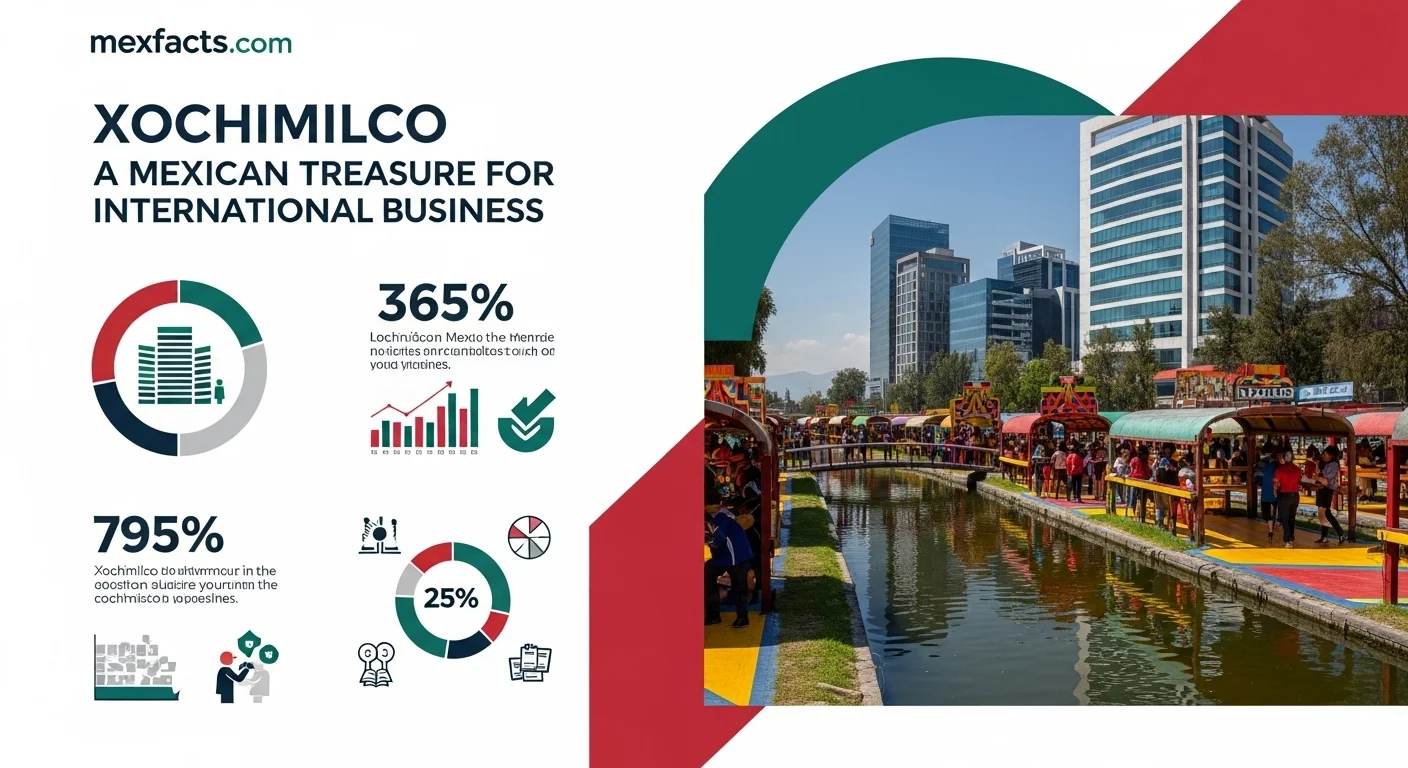
Xochimilco is more than just a place; it's an experience that truly captures the soul of Mexico. As a UNESCO World Heritage site, its story is woven into the ancient 'chinampa' farming system, a brilliant method of creating land from water that fed the Aztec empire. I've spent countless Sundays there, and I can tell you, it's a living museum. For anyone outside of Mexico, Xochimilco offers a fascinating look into sustainable urban farming, a lesson from our ancestors. But it's not just history. The famous 'trajineras'—those brightly painted boats—are part of a lively culture that pulses through the canals. Beyond the festive atmosphere, however, lies a deeper narrative of environmental challenges and resilience. This cultural power is so strong that it even inspired a modern version, Xoximilco in Cancún, showcasing its economic potential. This article is your guide to understanding all of Xochimilco's layers: its deep roots, its current reality, and the incredible opportunities it holds for a global audience.
Table of Contents
What is Xochimilco, and Why is it a Global Treasure?
When you hear the name Xochimilco, what comes to mind? For most, it’s the vibrant, flower-adorned boats, the sound of mariachi music echoing across the water, and the lively markets. And while that’s all wonderfully true, it’s just the surface. Located in the south of Mexico City, this sprawling network of canals and artificial islands is a profound link to our pre-Hispanic past, a critical green lung in a massive city, and a hub of culture that's alive and kicking. Its global importance is huge, recognized by organizations like UNESCO for its universal value, while also serving as a powerful example of cultural tourism and sustainable agriculture. To really get to know Xochimilco, you have to look past the fiesta on the boats and dive into its incredible history, its unique farming methods, and how it’s finding its place in the 21st century—a story that even includes a modern reinterpretation in the tourist hotspot of Cancún.
The Historical Roots: An Aztec Marvel
The story of Xochimilco, which beautifully translates to "where the flowers grow" in the Nahuatl language, begins long before the Spanish arrived. The Xochimilca people settled here around the 9th century, and what they created was pure genius: the chinampas, often called the floating gardens of Xochimilco. Let me tell you, they don't actually float. They are man-made islands, painstakingly built by layering mud from the lakebed with reeds and decaying plants. To hold them in place, they planted 'ahuejote' trees at the corners, whose roots would anchor the fertile land to the lake floor. This system was so incredibly efficient that it became the breadbasket for the mighty Aztec capital, Tenochtitlán—what is now Mexico City. The Xochimilco canals we see today are the last veins of a vast water-based transportation network that connected the entire Valley of Mexico, acting as highways for trade and daily life. It's a stunning example of how our ancestors didn't just live in their environment; they shaped it to thrive.
When the Spanish arrived in the 16th century, things began to change. They saw the vast lakes as a problem to be solved and began drainage projects that shrunk the waterways dramatically. Still, Xochimilco's agricultural heart beat strong, continuing to feed the growing city for centuries. The Spanish also brought their religion, building beautiful churches that still stand today, but the indigenous spirit and customs never left. This blend of cultures is what makes the area so special. In 1987, UNESCO rightfully recognized Xochimilco and the Historic Center of Mexico City as a World Heritage Site. This wasn't just to preserve old ruins; it was to protect a living cultural landscape, a testament to the Aztec people's incredible ability to build a home in what seemed like an impossible environment.
A Living Heritage: Why Xochimilco Matters Today
Today, Xochimilco's importance on the world stage comes from two main things: its role as a model for sustainable city farming and its magnetic appeal to tourists. Those ancient floating gardens, the chinampas, are now recognized by organizations like the Food and Agriculture Organization (FAO) as a Globally Important Agricultural Heritage System. In a world worried about climate change and how to feed growing cities, this ancient technique is being studied by experts everywhere. Chinampas are incredibly productive, allowing for several harvests a year while creating a rich habitat for wildlife. They are a masterclass in agroecology, a way of farming that works with nature, not against it. For international businesses and researchers, the chinampas offer priceless lessons in building resilient food systems right inside a city.
At the same time, Xochimilco is a tourism powerhouse. Drifting down the Xochimilco canals on a colorful trajinera is a must-do experience in Mexico City, drawing millions of people from all over the world. This isn’t just about a boat ride; it’s an entire floating economy. Vendors in smaller canoes pull up alongside you, offering everything from roasted corn and cold micheladas to handmade crafts. Mariachi and marimba bands float by on their own boats, ready to play you a song. This bustling, informal economy supports thousands of local families, from the boat rowers to the musicians. From a business perspective, it’s a brilliant model of cultural tourism, where the main attraction is a living tradition. The concept is so powerful that it's been replicated. In Cancún, the tourism giant Grupo Xcaret created Xoximilco (with an 'X'), a polished theme park version. This attraction, often called Xochimilco in Cancún, offers a curated floating fiesta with dinner and live music, showing just how appealing the Xochimilco brand is to a global market. It’s a fascinating example of how a local tradition can be adapted into a successful, large-scale tourism product.
A Look at Xochimilco by the Numbers Today
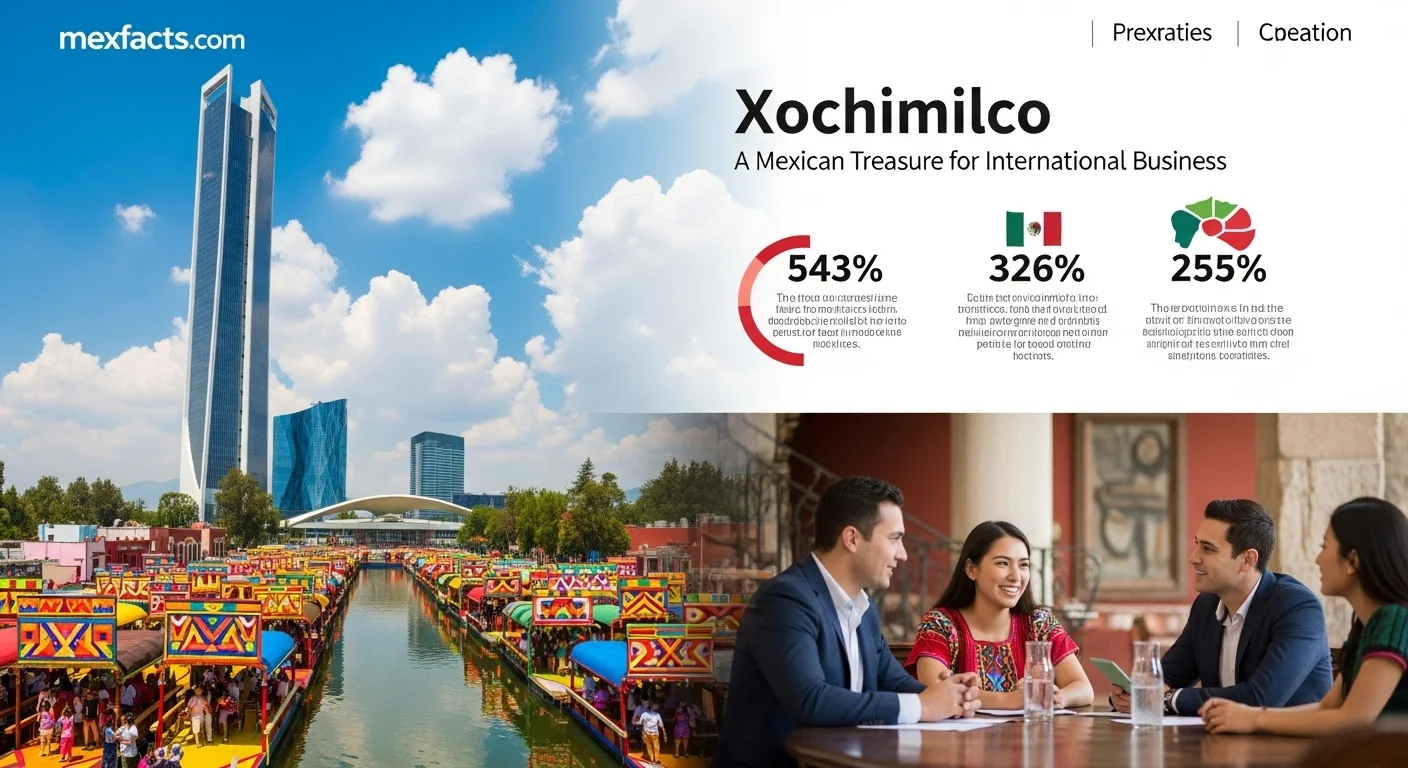
To really understand Xochimilco, it helps to look at the current numbers. They tell a story of contrasts: a priceless cultural and natural treasure that’s feeling the squeeze of a giant city, but one that also holds enormous economic potential. The data gives us a clear snapshot of its place in Mexico City, the value of its famous floating gardens, and the interesting differences between the original and its modern counterpart, Xochimilco in Cancún.
The Flow of Tourism and Money
Tourism is the lifeblood of the main canal area in Xochimilco. Before the pandemic, it was estimated that over a million tourists visited each year, and the local government continues to launch programs to support and grow this vital industry. The economy here is built around the rental of roughly 1,200 to 1,500 registered trajineras. The pricing is regulated per boat, per hour, which makes it perfect for groups of friends and families. It’s fascinating to see how much people value this place; one study found that tourists would be willing to pay about $24 a year just to help preserve the chinampas. This shows there's a real understanding of its cultural importance, which could be channeled into funding for its protection.
This flow of visitors supports a whole community of entrepreneurs. I've had some of the best food of my life from vendors in canoes—people whose livelihoods depend entirely on tourists. This informal economy is a huge part of Xochimilco, even if it's hard to capture in official data. In contrast, the business model of Xoximilco in Cancún is much more structured. It was built with a massive investment and designed for a specific kind of tourist experience. The park attracted 86,000 visitors in its first year alone, creating hundreds of jobs. Unlike the pay-by-the-boat system in Mexico City, in Cancún, you pay a single price per person for an all-inclusive package with dinner, drinks, and music. It’s a highly profitable adaptation of the Xochimilco floating gardens concept, catering to the international crowd in the Riviera Maya. It really highlights two different ways of doing business: one is community-driven and historic, the other is corporate and modern.
The Health of the Land and Water
The agricultural heart of Xochimilco, its chinampas, still beats, though not as strongly as it once did. It’s estimated that the area produces around 40,000 tons of produce a year, including beautiful flowers like poinsettias that light up our homes during Christmas. But the reality is that many chinampas are struggling. Some experts from UNAM, Mexico's national university, estimate that only about 17% of them are actively farmed, a sad decline for such an incredible ancestral practice.
The environmental data is where the real worry sets in. Xochimilco is a biodiversity hotspot, home to an incredible 2% of the world's species and 11% of Mexico's. This includes the famous axolotl, a unique salamander that can regenerate its own limbs. But this rich ecosystem is in danger.
1. Water Pollution: The water in the canals is no longer from natural springs but is mostly treated wastewater. Sadly, it often gets contaminated by illegal sewage from settlements that have crept too close and chemicals from farming. This harms wildlife and the crops grown on the chinampas.
2. Urban Sprawl: The city is closing in. About a quarter of the original wetlands have been paved over for housing. This destroys chinampas and puts a huge strain on the water supply.
3. Invasive Species: Non-native fish like carp and tilapia were introduced years ago, and they've been devastating for native species, especially our beloved axolotl, as they eat their eggs.
These statistics paint a clear picture. The cultural and economic value of Xochimilco is immense, but its natural foundation is fragile. There's an urgent need for investment in water treatment, better urban planning, and conservation to protect this treasure. It's a fight for survival that the polished, man-made environment of Xochimilco in Cancún simply doesn't have to face.
The Future of Xochimilco: Challenges and Opportunities
Xochimilco stands at a crossroads, balancing on a fine line between incredible opportunity and serious threats. Its future truly depends on whether the government, private businesses, and the local community can come together to solve its problems while celebrating its unique cultural and natural gifts. For anyone looking from the outside—be it an investor, an entrepreneur, or a conservationist—Xochimilco is a complex but potentially rewarding place to get involved. The opportunities are inspiring, from sustainable tourism and organic farming to new technologies for ecological recovery. We can learn a lot from both the historic Xochimilco in Mexico City and its modern interpretation in Cancún.
The Fight for Survival
To see the opportunities, you first have to respect the challenges. The biggest threats to Xochimilco are environmental and social.
1. Ecological Strain: As we've seen, water pollution is the most critical issue. It threatens the unique wildlife, like the axolotl, and makes farming on the floating gardens of Xochimilco a constant struggle. The relentless growth of Mexico City also looms large, eating away at the protected wetlands and straining resources. Climate change just makes it all harder, bringing harsher droughts and more intense floods.
2. A Fading Way of Life: The traditional farming lifestyle, being a 'chinampero', is tough work. I've talked to families there, and many young people are choosing jobs in the city over the physically demanding and uncertain life of farming. This has led to thousands of these fertile islands being abandoned. And while tourism brings in money, if it’s not managed well, it can contribute to the very pollution that threatens the place—a sad paradox.
3. Governance and Planning: Despite its UNESCO status, enforcing environmental laws and planning rules has been a challenge. Managing a place that is a nature reserve, a farm, a neighborhood, and a tourist hotspot all at once is incredibly complex and requires a unified vision that has been hard to achieve.
Golden Opportunities for a Sustainable Future
Despite these hurdles, Xochimilco is bursting with potential for businesses that want to make a positive impact.
1. Ecotourism with a Soul: People are tired of generic travel; they want real, responsible experiences. Xochimilco is perfectly placed for this. The opportunity isn't just more party boats, but curated ecotours. Imagine a quiet morning tour with a local farmer who shows you how they grow vegetables on their chinampa, followed by a meal made with those same ingredients, served right on the trajinera. This creates a higher-value experience, supports farmers directly, and encourages the preservation of the Xochimilco floating gardens.
2. The Organic Revolution: The chinampas are an organic farmer's dream. With so many people in Mexico City looking for local, healthy food, there's a strong business case for reviving abandoned chinampas. Projects are already underway to create clean-water zones for agriculture, and there's even talk of a special label to certify authentic, sustainable chinampa products. This opens doors for everything from food distribution to high-end restaurants wanting unique ingredients.
3. Harnessing Nature's Power: Xochimilco's wetlands are a vital carbon sink, helping to clean the air of a massive city. There's a growing global market for carbon credits and paying for these 'ecosystem services'. Businesses could invest in restoring the chinampas and, in return, earn carbon credits to sell or use for their own environmental goals. This turns ecological health into a real financial asset.
4. Tech and Education: We need innovative solutions for Xochimilco's problems. Tech companies could develop and install water filtration systems or use drones to monitor the area. And for the rest of the world, there's a huge opportunity to create educational programs, both online and in-person, to share the incredible story and science of the chinampas.
Looking Ahead
The economic forecast for Mexico is a mixed bag, but it points towards opportunities for private investment in sustainable projects. The wild success of the commercialized Xochimilco in Cancún proves that the world has an appetite for Mexican culture. This suggests that a well-marketed, sustainable, and authentic version in Mexico City could thrive. The key is to ensure that future growth is regenerative—that it gives back to the community and the environment, rather than just taking from them. Xochimilco's future depends on using its cultural and ecological magic to attract investment that is both profitable and purposeful. For those who want to dig deeper into Mexico's broader economic landscape, the World Bank's overview of the country is a great place to start.
Expert Reviews
Elena V., Traveler from Spain ⭐⭐⭐⭐⭐
This article completely changed how I saw my trip to Xochimilco. I was expecting just a party, but after reading this, I sought out a tour of the ecological zones. Seeing the chinampas up close and learning about the history was the highlight of my visit to Mexico City. It's so much more than boats and music! Thank you for this perspective.
Marcus Chen, Sustainability Student ⭐⭐⭐⭐⭐
I'm writing my thesis on urban agriculture, and this piece was an incredible resource. The way it broke down the challenges and opportunities for the chinampas was so clear and human. It's one thing to read academic papers, but this article's perspective made the issues feel real and urgent. It provided the perfect blend of cultural context and practical data for my project.
Sofia Reyes, Local Business Owner ⭐⭐⭐⭐
As someone who grew up near Xochimilco, I appreciate seeing an article that respects both our traditions and our struggles. The comparison with the Cancún version was especially interesting. It's a great overview for foreigners who want to understand the business potential here without losing sight of why this place is so sacred to us.