
Mexico in November: Climate, Events, and Travel Planning
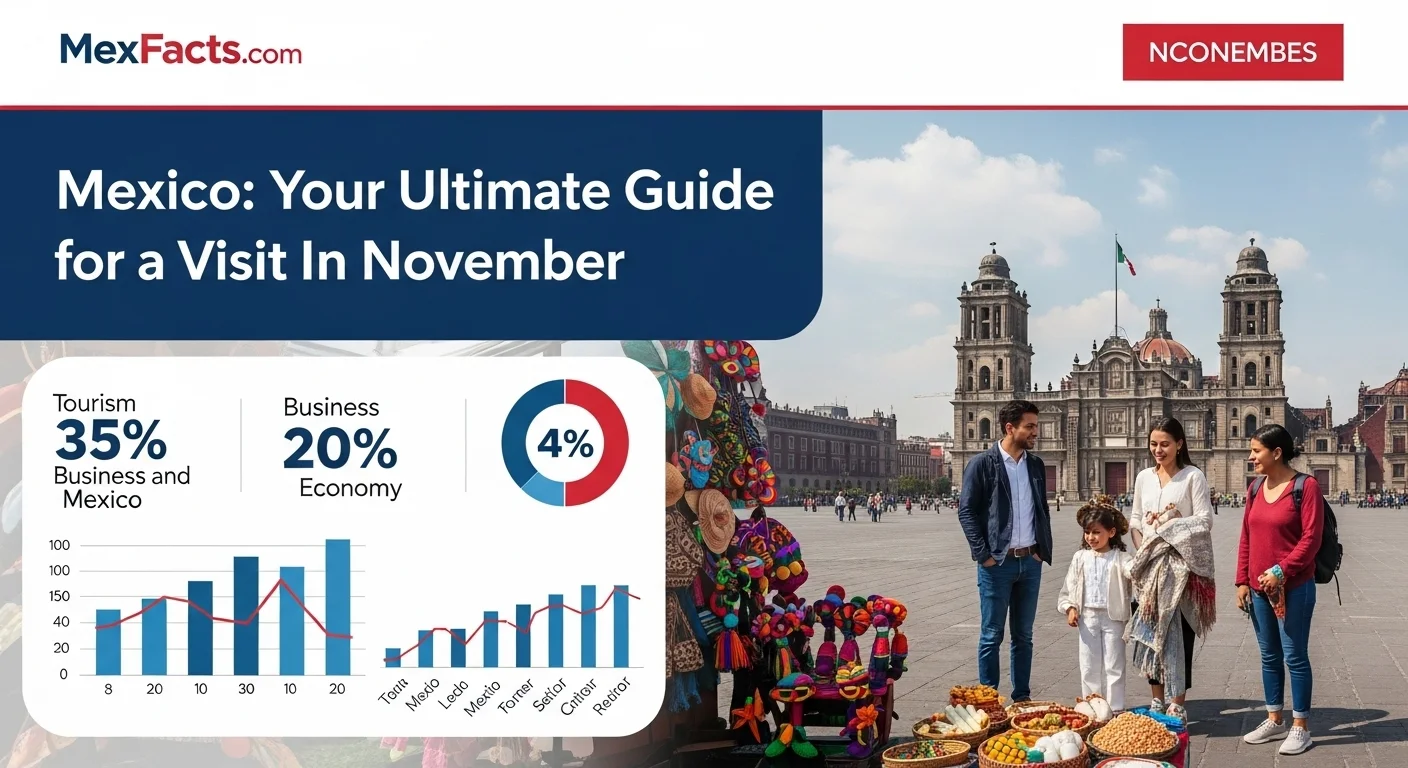
November marks one of the most rewarding months to travel to Mexico, offering a clear transition between the humid rainy season of late summer and the crowded winter holidays. With hurricane season winding down across both coasts, visitors enjoy warm beach conditions, comfortable, dry days in the central highlands, and lush green landscapes throughout the country. Early November features world-renowned Day of the Dead celebrations, while the third weekend brings national Revolution Day festivities and El Buen Fin shopping promotions. As a shoulder-season window, November provides a compelling balance of favorable weather, rich cultural events, and lower lodging rates before peak December travel begins.
Why November Is an Ideal Month to Visit Mexico
For international travelers weighing the best time to visit Mexico, November stands out as a sweet spot in the travel calendar. The heavy summer and early autumn rains have largely subsided across central and southern Mexico, leaving countryside hillsides lush and reservoirs full. Concurrently, the intense humidity of the tropical summer recedes, replaced by dry, pleasant breezes across both Pacific and Caribbean shorelines.
Beyond favorable meteorology, November sits at the crossroads of cultural celebration and shoulder-season affordability. The month opens with deeply moving Día de los Muertos observances and continues with nationwide civic parades for Revolution Day. Outside of specific festival weekends, hotel occupancies and airline fares remain considerably lower than during the high-demand December holiday corridor, allowing travelers to enjoy popular cultural sites and resort towns without overwhelming crowds.
Regional Weather and Climate in November
Because Mexico encompasses varied geographical zones—spanning arid deserts, elevated plateaus, and tropical coastlines—weather conditions in November depend heavily on elevation and proximity to the sea. Understanding regional differences ensures realistic expectations and proper packing.
Central Highlands and Valley of Mexico
In high-altitude destinations such as Mexico City (2,240 meters / 7,350 feet), Puebla, San Miguel de Allende, and Oaxaca City, November is characterized by bright, sunny days and minimal rainfall. Daytime high temperatures average around 21°C to 24°C (70°F to 75°F), making daytime sightseeing and museum visits comfortable. However, rapid radiational cooling causes nighttime and early-morning temperatures to drop sharply to 7°C to 11°C (45°F to 52°F). Layered clothing is essential when traveling through highland regions.
The Yucatán Peninsula and the Caribbean Coast
Along the Riviera Maya, Cancún, Cozumel, and Tulum, November brings a noticeable drop in humidity compared to August and September. Daytime temperatures typically range from 28°C to 30°C (82°F to 86°F), while evening lows hover near 21°C to 23°C (70°F to 73°F). Sea temperatures remain warm at approximately 27°C (81°F). Although the Atlantic hurricane season officially runs through November 30, tropical depression formation drops substantially by mid-month, with brief afternoon showers becoming infrequent.
Pacific Coast and Riviera Nayarit
Destinations such as Puerto Vallarta, Sayulita, Zihuatanejo, and Huatulco experience near-perfect coastal conditions in November. The Pacific rainy season concludes by late October, resulting in clear skies, calm waters, and daytime highs averaging 29°C to 31°C (84°F to 88°F). Evening temperatures cool to a comfortable 20°C to 22°C (68°F to 72°F), providing ideal conditions for outdoor dining and seaside activities.
Baja California Peninsula
In Los Cabos, La Paz, and Todos Santos, November features warm desert sunshine with negligible rain. High temperatures hover between 27°C and 30°C (81°F to 86°F), while night breezes bring pleasant desert cool-downs to 17°C to 19°C (63°F to 66°F). Water temperatures in the Sea of Cortez remain comfortably warm for snorkeling, scuba diving, and boat excursions.
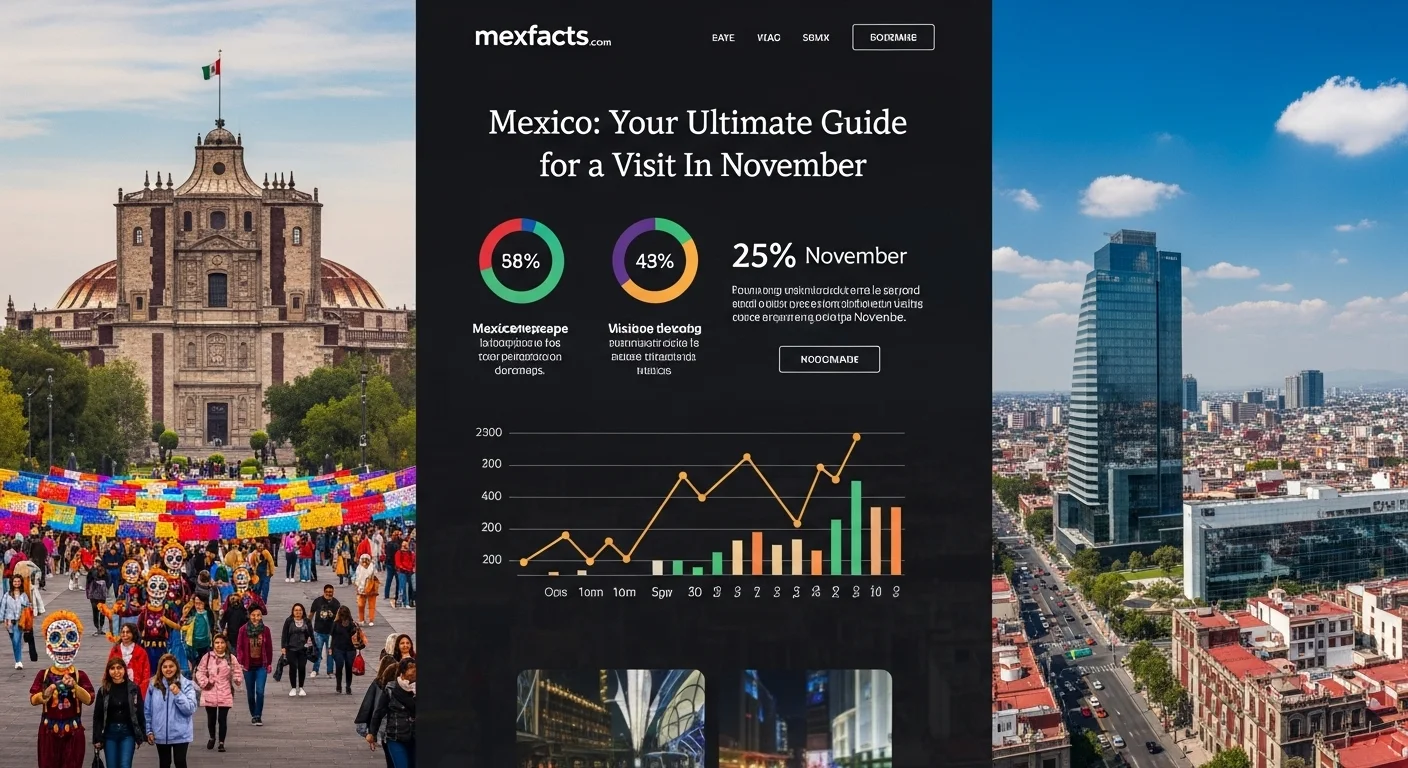
Cultural Festivals: Día de los Muertos and Revolution Day
November showcases some of Mexico's most iconic civic and cultural commemorations. Experiencing these traditions offers a profound look into the country's heritage, provided travelers plan their logistics around specific dates.
Día de los Muertos (November 1–2)
Día de los Muertos (Day of the Dead) is an ancient commemoration rooted in indigenous traditions in Mexico and synchronized with Catholic All Saints' Day and All Souls' Day. Inscribed on UNESCO's Representative List of the Intangible Cultural Heritage of Humanity, the celebration honors departed loved ones through home altars (ofrendas), vibrant cempasúchil (marigold) arrangements, copal incense, and cemetery vigils. November 1 honors deceased children (Día de los Angelitos), while November 2 commemorates adults.
Travelers interested in the cultural iconography will encounter elaborate displays explaining La Catrina meaning and artistic tributes throughout central squares. Major centers of observance include Oaxaca City, the Purépecha communities surrounding Lake Pátzcuaro in Michoacán, and San Andrés Mixquic in Mexico City. Visitors should note that Día de los Muertos is not a month-long carnival; ceremonial activities concentrate sharply between October 31 and November 2, requiring hotel reservations months in advance.
Día de la Revolución (Revolution Day)
On November 20, Mexico marks the anniversary of the 1910 Mexican Revolution, which dismantled the Porfiriato dictatorship and established the 1917 Constitution. Under Mexican labor law, the statutory holiday is observed on the third Monday of November, generating an official three-day weekend (puente). Municipalities across the country host civic and athletic parades featuring student gymnasts, marching bands, and traditional Adelita and charro attire. In Mexico City, a major military and historical parade moves through the Paseo de la Reforma to the Zócalo.
Crowd Levels, Pricing, and the Shoulder Season
November functions as a distinct shoulder season, positioned strategically between the low autumn travel period and the peak winter rush that begins in mid-December.
Shoulder Season Advantages
With major North American and European schools in session, popular destinations see a lull in family tourism outside of holiday weekends. Archaeological zones such as Teotihuacán, Chichén Itzá, and Monte Albán can be explored with comfortable temperatures and minimal wait times. Airline ticket prices and boutique hotel rates are often 20% to 35% lower than peak Christmas and New Year rates, making early to mid-November an economical window for travel.
Holiday Spikes and El Buen Fin
While November is broadly uncrowded, two specific periods see concentrated surges in domestic travel:
- Día de los Muertos (Nov 1–2): High flight and hotel demand in Oaxaca, Michoacán, and Mexico City.
- Revolution Day Weekend and El Buen Fin: Mexico's national shopping weekend, El Buen Fin, coincides with the third Monday of November. Domestic travelers take advantage of retail promotions and three-day holiday breaks, causing higher hotel occupancy along central beach corridors and regional capitals.
Top Regional Destinations for November Travel
Depending on travel preferences, different parts of Mexico offer tailored advantages during November:
- Oaxaca Valley
- Ideal for cultural immersion, culinary exploration, and artisan markets. After early November festival crowds clear, mid-to-late November provides dry, sunny weather for touring craft villages in San Martín Tilcajete and the ruins of Mitla.
- Baja California Sur
- Whether staying at all-inclusive resorts in Los Cabos or exploring historic Loreto and La Paz, Baja offers warm sea conditions, minimal rainfall, and crisp evenings.
- Mexico City and Central Highlands
- November brings clear mountain air with low precipitation, creating prime conditions for walking tours through Roma, Condesa, Coyoacán, and the historic center.
- Riviera Maya and Yucatán
- Pleasant ocean temperatures, lush jungle foliage from late autumn rains, and declining humidity make November an ideal time for swimming in cenotes and visiting colonial cities like Mérida and Valladolid.
Seasonal Wildlife and Nature Highlights
November marks the transition into key seasonal ecological phenomena across Mexico:
- Monarch Butterfly Migration: In the mountain forests of Michoacán and the State of Mexico, millions of monarch butterflies arrive after their multi-thousand-mile journey from North America. Sanctuaries officially open to ecotourists in mid-to-late November.
- Marine Wildlife and Whale Watching: While peak seasons for whale watching in Mexico run from mid-December through March, late November marks the initial arrival of humpback whales along the Pacific and Baja coasts. Whale shark excursions in La Paz are also active during this period under regulated permits.
Packing Advice and Travel Planning Logistics
To ensure a seamless November trip, keep these practical guidelines in mind:
- Verify Entry Requirements: Ensure your passport has at least six months of validity. Review current entry requirements for Mexico and digital Forma Migratoria Múltiple (FMM) procedures before departure.
- Pack for Contrasting Microclimates: Coastal trips require lightweight linens, swimsuits, and sun protection. For highland and colonial cities, pack layers, including a light jacket or fleece for brisk evenings and mornings.
- Book Key Dates Early: If your itinerary includes Day of the Dead in Oaxaca or Michoacán, reserve lodging and guided tours at least four to six months in advance.
- Consult Official Sources: For official travel advisories, national park regulations, and certified tourist guides, consult the Secretaría de Turismo (SECTUR).
Frequently Asked Questions
- Is November a good month to visit Mexico?
- Yes. November is widely considered one of the best months to visit Mexico. It combines the end of the hurricane and rainy season, comfortable daytime temperatures, lush green landscapes, and shoulder-season pricing ahead of the December holidays.
- Is November hurricane season in Mexico?
- The official Atlantic and Eastern Pacific hurricane seasons run until November 30. However, tropical storm activity drops sharply in November, and severe storms are statistically rare compared to August, September, and October.
- Can you swim in the ocean in Mexico in November?
- Yes. Ocean temperatures along the Caribbean coastline and the Pacific coast remain warm and comfortable for swimming, typically averaging 26°C to 28°C (79°F to 82°F).
- What should I pack for Mexico in November?
- Pack breathable warm-weather clothing and swimwear for coastal areas. If visiting central highland destinations like Mexico City, Oaxaca, or San Miguel de Allende, bring medium-weight layers, sweaters, and a jacket for cool evenings.
Expert Reviews
Michael Chen ⭐⭐⭐⭐⭐
My wife and I visited Oaxaca for Día de los Muertos in early November, and this article perfectly captures the feeling. It's not spooky; it's beautiful and deeply moving. Seeing the cemeteries lit with thousands of candles is something I'll never forget. The weather was also perfect for walking around the city. Best trip we've ever taken.
Sarah Thompson ⭐⭐⭐⭐⭐
We always used to go to Cancún in December, but we tried November last year after reading about it being a 'shoulder season.' What a difference! The beaches were stunning and so much less crowded. The water was warm, the sun was out every day, and we got better deals on our hotel. November is our new go-to.
Carlos Gutierrez ⭐⭐⭐⭐
I've been to Mexico many times, but my November trip to Mexico City was special. I caught the end of the Day of the Dead displays and then saw the preparations for the Revolution Day parade. The city had this incredible energy. It felt like I was experiencing real, modern Mexican life, not just the touristy parts.